







Oculoplasty specialist in Raipur for eyelid, tear and eye-socket concerns
Explore oculoplasty specialist and eyelid surgery care in Raipur for drooping lids, swelling, lashes, tear drainage, injuries and functional concerns.
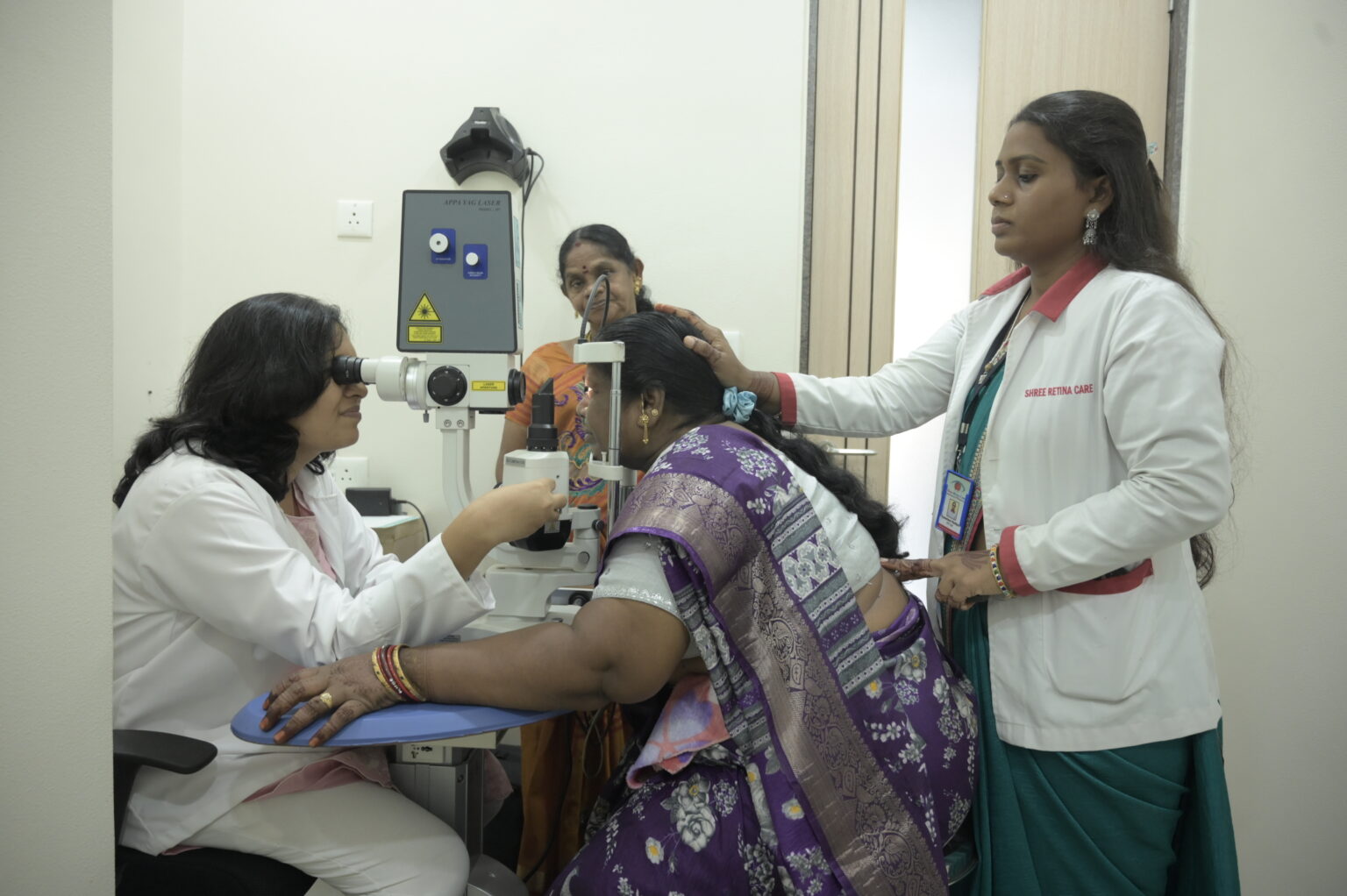
A search for oculoplasty specialist in Raipur is usually the beginning of a patient decision, not the end of it. This page is designed to help you prepare for a focused consultation at Shree Retina Care in Raipur, understand the questions that matter and recognise when a symptom should not wait.
Function before appearance
Drooping, watering or a lump may affect vision and eye protection.
Plan around the eye
The eyelid, tear film, orbit and facial movement are assessed together.
Recovery is specific
Swelling, bruising, drops and activity limits vary by procedure.
What oculoplasty covers
Patients searching for oculoplasty specialist in Raipur are often trying to connect a worrying symptom with a safe next step. In this context, eyelids, eyelashes, tear drainage, orbit, eye socket and selected facial conditions around the eye is not a diagnosis by itself. A clinician needs to understand when it started, whether one or both eyes are affected, what activities have changed and whether there are medical conditions or previous procedures that alter the risk. That conversation prevents a generic internet description from becoming a personal treatment decision.
At Shree Retina Care, the useful question is not only whether a treatment is available, but whether it fits the finding in this particular eye. The service includes both functional problems and carefully assessed appearance-related concerns. The examination may include vision testing, a microscope examination, pressure measurement, dilation or imaging when those tests answer a clinical question. Results should be explained in everyday language, along with urgency, alternatives, limitations and the next review.
A practical plan for what oculoplasty covers should include what to do today, what to watch at home and when to return. Write down the diagnosis, the name and timing of any drops or procedure, the expected recovery pattern and the symptoms that need prompt contact. Do not change medicines, delay an urgent review or choose a procedure only because a page promises a fast, painless or permanent result. Individual care must be confirmed by the treating ophthalmologist.
Useful questions for this visit
- Tell the doctor how eyelids, eyelashes, tear drainage, orbit, eye socket and selected facial conditions around the eye is affecting daily life.
- Bring old reports, prescriptions and the names of current medicines.
- Ask what the finding means for one eye, both eyes and future follow-up.
- Confirm when to return and which change related to eyelids, eyelashes, tear drainage, orbit, eye socket and selected facial conditions around the eye needs prompt advice.
Eyelid symptoms that need assessment
Patients searching for oculoplasty specialist in Raipur are often trying to connect a worrying symptom with a safe next step. In this context, drooping, lid turning in or out, repeated swelling, a lump, excess skin, irritation or incomplete closure is not a diagnosis by itself. A clinician needs to understand when it started, whether one or both eyes are affected, what activities have changed and whether there are medical conditions or previous procedures that alter the risk. That conversation prevents a generic internet description from becoming a personal treatment decision.
At Shree Retina Care, the useful question is not only whether a treatment is available, but whether it fits the finding in this particular eye. A symptom can relate to muscle, nerve, skin, gland, thyroid, trauma or an eyelid position problem. The examination may include vision testing, a microscope examination, pressure measurement, dilation or imaging when those tests answer a clinical question. Results should be explained in everyday language, along with urgency, alternatives, limitations and the next review.
A practical plan for eyelid symptoms that need assessment should include what to do today, what to watch at home and when to return. Write down the diagnosis, the name and timing of any drops or procedure, the expected recovery pattern and the symptoms that need prompt contact. Do not change medicines, delay an urgent review or choose a procedure only because a page promises a fast, painless or permanent result. Individual care must be confirmed by the treating ophthalmologist.
Useful questions for this visit
- Tell the doctor how drooping, lid turning in or out, repeated swelling, a lump, excess skin, irritation or incomplete closure is affecting daily life.
- Bring old reports, prescriptions and the names of current medicines.
- Ask what the finding means for one eye, both eyes and future follow-up.
- Confirm when to return and which change related to drooping, lid turning in or out, repeated swelling, a lump, excess skin, irritation or incomplete closure needs prompt advice.
Tear drainage and watering
Patients searching for oculoplasty specialist in Raipur are often trying to connect a worrying symptom with a safe next step. In this context, watering from blockage, surface irritation, allergy or eyelid malposition is not a diagnosis by itself. A clinician needs to understand when it started, whether one or both eyes are affected, what activities have changed and whether there are medical conditions or previous procedures that alter the risk. That conversation prevents a generic internet description from becoming a personal treatment decision.
At Shree Retina Care, the useful question is not only whether a treatment is available, but whether it fits the finding in this particular eye. The doctor examines the surface and drainage system before deciding whether medicines, observation or a procedure is suitable. The examination may include vision testing, a microscope examination, pressure measurement, dilation or imaging when those tests answer a clinical question. Results should be explained in everyday language, along with urgency, alternatives, limitations and the next review.
A practical plan for tear drainage and watering should include what to do today, what to watch at home and when to return. Write down the diagnosis, the name and timing of any drops or procedure, the expected recovery pattern and the symptoms that need prompt contact. Do not change medicines, delay an urgent review or choose a procedure only because a page promises a fast, painless or permanent result. Individual care must be confirmed by the treating ophthalmologist.
Useful questions for this visit
- Tell the doctor how watering from blockage, surface irritation, allergy or eyelid malposition is affecting daily life.
- Bring old reports, prescriptions and the names of current medicines.
- Ask what the finding means for one eye, both eyes and future follow-up.
- Confirm when to return and which change related to watering from blockage, surface irritation, allergy or eyelid malposition needs prompt advice.
Droopy eyelid and ptosis
Patients searching for oculoplasty specialist in Raipur are often trying to connect a worrying symptom with a safe next step. In this context, a lid sitting lower than expected, fatigue-related change or a visual field blocked by the lid is not a diagnosis by itself. A clinician needs to understand when it started, whether one or both eyes are affected, what activities have changed and whether there are medical conditions or previous procedures that alter the risk. That conversation prevents a generic internet description from becoming a personal treatment decision.
At Shree Retina Care, the useful question is not only whether a treatment is available, but whether it fits the finding in this particular eye. The timing, one-sided or two-sided pattern, pupil signs and eye movements help determine urgency and treatment. The examination may include vision testing, a microscope examination, pressure measurement, dilation or imaging when those tests answer a clinical question. Results should be explained in everyday language, along with urgency, alternatives, limitations and the next review.
A practical plan for droopy eyelid and ptosis should include what to do today, what to watch at home and when to return. Write down the diagnosis, the name and timing of any drops or procedure, the expected recovery pattern and the symptoms that need prompt contact. Do not change medicines, delay an urgent review or choose a procedure only because a page promises a fast, painless or permanent result. Individual care must be confirmed by the treating ophthalmologist.
Useful questions for this visit
- Tell the doctor how a lid sitting lower than expected, fatigue-related change or a visual field blocked by the lid is affecting daily life.
- Bring old reports, prescriptions and the names of current medicines.
- Ask what the finding means for one eye, both eyes and future follow-up.
- Confirm when to return and which change related to a lid sitting lower than expected, fatigue-related change or a visual field blocked by the lid needs prompt advice.
Eyelid surgery planning
Patients searching for oculoplasty specialist in Raipur are often trying to connect a worrying symptom with a safe next step. In this context, the functional goal, symmetry, skin and muscle findings, dry-eye status and medical history is not a diagnosis by itself. A clinician needs to understand when it started, whether one or both eyes are affected, what activities have changed and whether there are medical conditions or previous procedures that alter the risk. That conversation prevents a generic internet description from becoming a personal treatment decision.
At Shree Retina Care, the useful question is not only whether a treatment is available, but whether it fits the finding in this particular eye. Discuss scars, bruising, recurrence, asymmetry, anaesthesia, aftercare and what result is realistic. The examination may include vision testing, a microscope examination, pressure measurement, dilation or imaging when those tests answer a clinical question. Results should be explained in everyday language, along with urgency, alternatives, limitations and the next review.
A practical plan for eyelid surgery planning should include what to do today, what to watch at home and when to return. Write down the diagnosis, the name and timing of any drops or procedure, the expected recovery pattern and the symptoms that need prompt contact. Do not change medicines, delay an urgent review or choose a procedure only because a page promises a fast, painless or permanent result. Individual care must be confirmed by the treating ophthalmologist.
Useful questions for this visit
- Tell the doctor how the functional goal, symmetry, skin and muscle findings, dry-eye status and medical history is affecting daily life.
- Bring old reports, prescriptions and the names of current medicines.
- Ask what the finding means for one eye, both eyes and future follow-up.
- Confirm when to return and which change related to the functional goal, symmetry, skin and muscle findings, dry-eye status and medical history needs prompt advice.
Oculoplasty after injury or tumour
Patients searching for oculoplasty specialist in Raipur are often trying to connect a worrying symptom with a safe next step. In this context, protecting the eye, restoring lid function and coordinating care when tissue has been damaged or a lesion needs evaluation is not a diagnosis by itself. A clinician needs to understand when it started, whether one or both eyes are affected, what activities have changed and whether there are medical conditions or previous procedures that alter the risk. That conversation prevents a generic internet description from becoming a personal treatment decision.
At Shree Retina Care, the useful question is not only whether a treatment is available, but whether it fits the finding in this particular eye. Prompt assessment is important for trauma, sudden swelling, double vision, pain or a rapidly changing lump. The examination may include vision testing, a microscope examination, pressure measurement, dilation or imaging when those tests answer a clinical question. Results should be explained in everyday language, along with urgency, alternatives, limitations and the next review.
A practical plan for oculoplasty after injury or tumour should include what to do today, what to watch at home and when to return. Write down the diagnosis, the name and timing of any drops or procedure, the expected recovery pattern and the symptoms that need prompt contact. Do not change medicines, delay an urgent review or choose a procedure only because a page promises a fast, painless or permanent result. Individual care must be confirmed by the treating ophthalmologist.
Useful questions for this visit
- Tell the doctor how protecting the eye, restoring lid function and coordinating care when tissue has been damaged or a lesion needs evaluation is affecting daily life.
- Bring old reports, prescriptions and the names of current medicines.
- Ask what the finding means for one eye, both eyes and future follow-up.
- Confirm when to return and which change related to protecting the eye, restoring lid function and coordinating care when tissue has been damaged or a lesion needs evaluation needs prompt advice.
Recovery after eyelid surgery
Patients searching for oculoplasty specialist in Raipur are often trying to connect a worrying symptom with a safe next step. In this context, cold compresses if advised, head elevation, prescribed medicines, no rubbing and review is not a diagnosis by itself. A clinician needs to understand when it started, whether one or both eyes are affected, what activities have changed and whether there are medical conditions or previous procedures that alter the risk. That conversation prevents a generic internet description from becoming a personal treatment decision.
At Shree Retina Care, the useful question is not only whether a treatment is available, but whether it fits the finding in this particular eye. Vision can be temporarily blurred by ointment or swelling, but a sudden or severe change should be reported. The examination may include vision testing, a microscope examination, pressure measurement, dilation or imaging when those tests answer a clinical question. Results should be explained in everyday language, along with urgency, alternatives, limitations and the next review.
A practical plan for recovery after eyelid surgery should include what to do today, what to watch at home and when to return. Write down the diagnosis, the name and timing of any drops or procedure, the expected recovery pattern and the symptoms that need prompt contact. Do not change medicines, delay an urgent review or choose a procedure only because a page promises a fast, painless or permanent result. Individual care must be confirmed by the treating ophthalmologist.
Useful questions for this visit
- Tell the doctor how cold compresses if advised, head elevation, prescribed medicines, no rubbing and review is affecting daily life.
- Bring old reports, prescriptions and the names of current medicines.
- Ask what the finding means for one eye, both eyes and future follow-up.
- Confirm when to return and which change related to cold compresses if advised, head elevation, prescribed medicines, no rubbing and review needs prompt advice.
Questions before choosing a surgeon
Patients searching for oculoplasty specialist in Raipur are often trying to connect a worrying symptom with a safe next step. In this context, the exact diagnosis, functional benefit, alternatives, risks, facility, follow-up and whether another specialist is needed is not a diagnosis by itself. A clinician needs to understand when it started, whether one or both eyes are affected, what activities have changed and whether there are medical conditions or previous procedures that alter the risk. That conversation prevents a generic internet description from becoming a personal treatment decision.
At Shree Retina Care, the useful question is not only whether a treatment is available, but whether it fits the finding in this particular eye. A clear consultation is more valuable than choosing from a before-and-after image or an unverified promise. The examination may include vision testing, a microscope examination, pressure measurement, dilation or imaging when those tests answer a clinical question. Results should be explained in everyday language, along with urgency, alternatives, limitations and the next review.
A practical plan for questions before choosing a surgeon should include what to do today, what to watch at home and when to return. Write down the diagnosis, the name and timing of any drops or procedure, the expected recovery pattern and the symptoms that need prompt contact. Do not change medicines, delay an urgent review or choose a procedure only because a page promises a fast, painless or permanent result. Individual care must be confirmed by the treating ophthalmologist.
Useful questions for this visit
- Tell the doctor how the exact diagnosis, functional benefit, alternatives, risks, facility, follow-up and whether another specialist is needed is affecting daily life.
- Bring old reports, prescriptions and the names of current medicines.
- Ask what the finding means for one eye, both eyes and future follow-up.
- Confirm when to return and which change related to the exact diagnosis, functional benefit, alternatives, risks, facility, follow-up and whether another specialist is needed needs prompt advice.
Frequently asked questions
What does an oculoplasty specialist treat?
Oculoplasty specialists evaluate eyelids, tear drainage, orbit and tissues around the eye, including functional, injury-related and selected cosmetic concerns.
Is eyelid surgery only cosmetic?
No. It may address drooping, lid position, exposure, tear drainage, reconstruction or a lesion as well as appearance.
What is eyelid surgery cost in Raipur?
Cost depends on diagnosis, one or both eyes, procedure, anaesthesia, facility and follow-up. A case-specific examination is needed.
How long does eyelid surgery recovery take?
Bruising and swelling improve in stages. The exact restrictions and review schedule depend on the procedure.
Can a droopy eyelid affect vision?
Yes. A low upper lid can block part of the visual field or cause a compensatory head posture. An examination confirms the effect.
When is eyelid swelling urgent?
Sudden swelling with pain, fever, reduced vision, double vision, trauma or difficulty moving the eye needs prompt medical guidance.
Take the next step with a clear plan
Share the symptom, diagnosis or report that brought you here. The Shree Retina Care team can guide you to the appropriate appointment desk and explain what to carry for a consultation in Raipur.
