

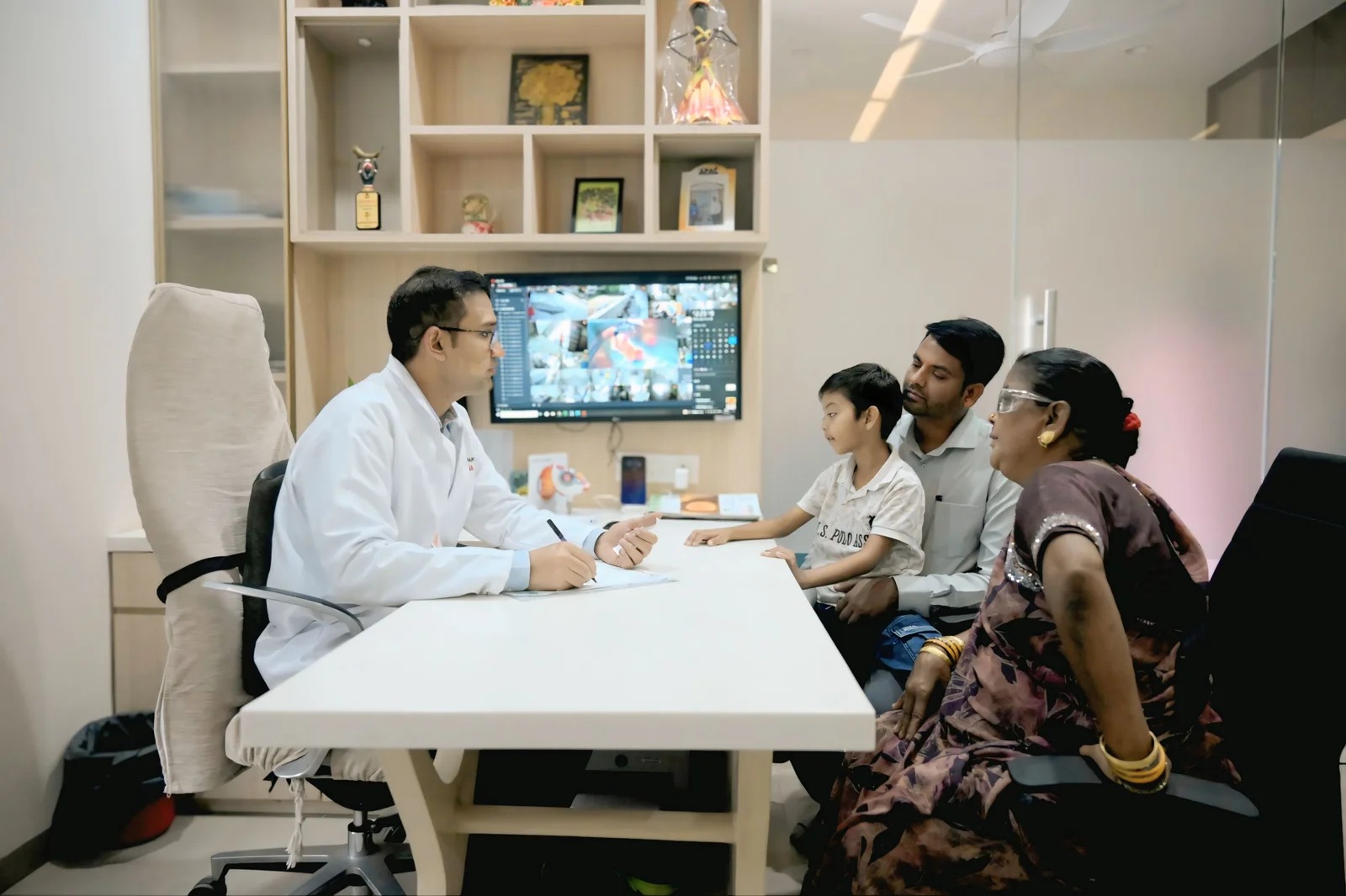
Cornea · ocular surface
Cornea care in Raipur the clear front surface of the eye
The cornea is the clear front surface of the eye. Injury, infection, scarring or a change in its shape can affect comfort and vision. For assessment, contact a cornea specialist. Shree Retina Care’s clinic-published cornea listing includes corneal tear repair and pterygium surgery. The page also lists a sutureless, glue-free technique; confirm whether that description applies to your diagnosis and proposed procedure directly with the clinic before making decisions.
Shree Retina Care · Shankar Nagar, Raipur
Explore eye-care services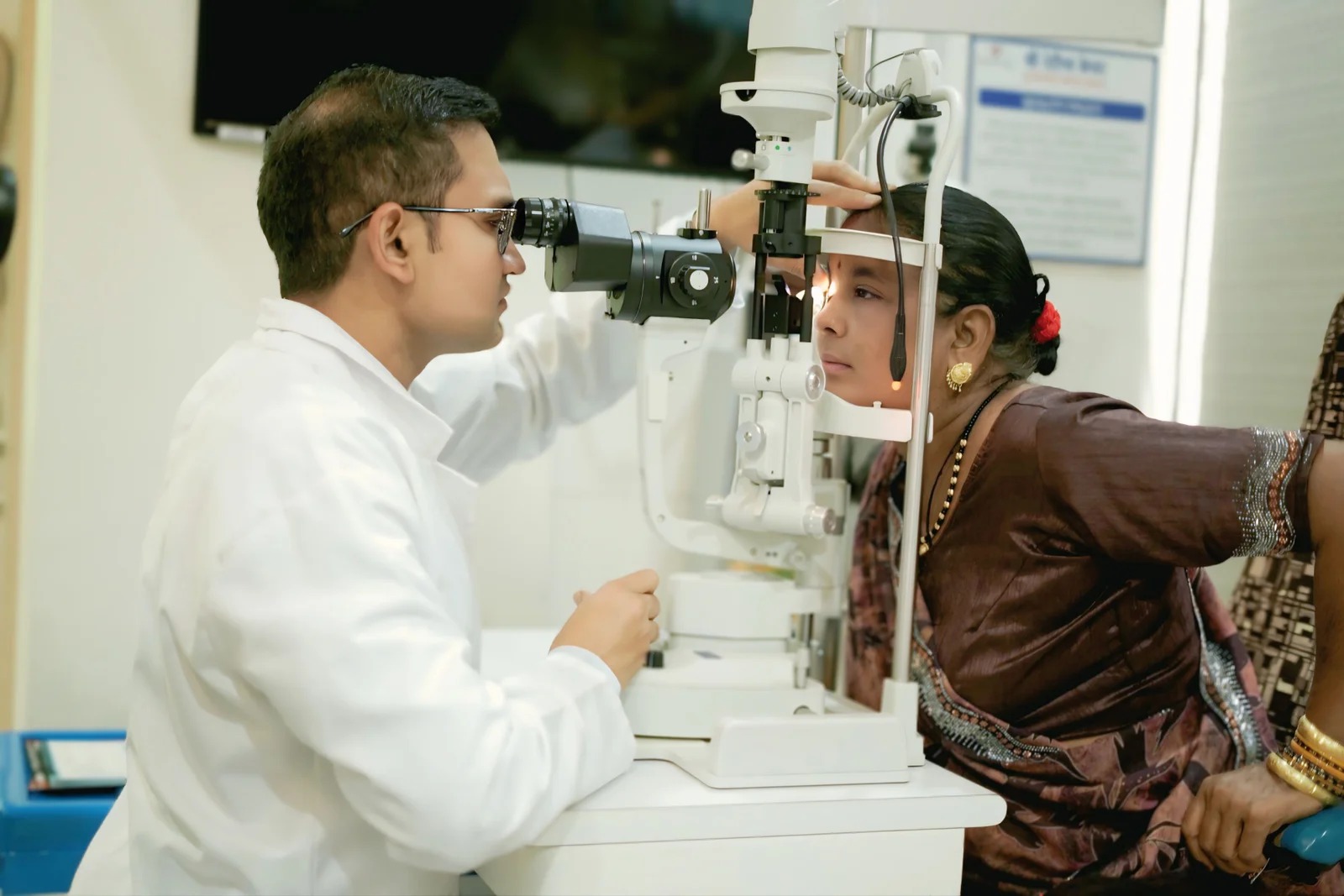
Start with the right care
Which cornea page do you need?
The cornea is the clear front window of the eye. Choose the closest guide; a clinician confirms the diagnosis.
- Painful red eye, pus or a white spot: Go to corneal ulcer care and contact a cornea specialist.
- Vision change or increasing cylinder: Read keratoconus care and C3R treatment.
- Growth on the white of the eye: Ask about pterygium surgery.
- Scarred or cloudy cornea: Read about a cornea transplant.
- Watery, dry or gritty eyes: See our dry eye treatment guide.
A patient guide · Cornea care
Protect the eye surface and confirm what procedure is actually proposed.
The cornea: clear, sensitive and essential to focus
The cornea is the transparent curved surface at the front of the eye. It helps focus incoming light and also serves as a protective outer layer. Because it is exposed, a scratch, foreign body, infection or chemical splash can affect it. Changes in shape or transparency can also interfere with vision. The word “cornea problem” covers very different conditions, and the treatment is based on examination rather than the label alone.
Symptoms can have different causes
Pain, watering, redness, a gritty sensation, light sensitivity or blurred vision may occur with corneal conditions, but similar symptoms arise for other reasons. A contact lens wearer with a painful red eye should seek prompt clinical advice rather than continuing lens wear or using unprescribed drops. Sudden vision reduction, severe pain, injury or chemical exposure calls for urgent assessment. Do not rub an injured eye or try to remove an embedded object. If a clinician suspects keratoconus, see keratoconus care and ask whether C3R treatment is appropriate. Watery or gritty symptoms can have other causes; see our dry eye treatment guide for another possibility.
A corneal injury needs careful assessment
A corneal tear or laceration is not the same as ordinary surface irritation. The depth, location and extent of injury matter, as do other structures in the eye. If an object has struck the eye or there is a suspected penetrating injury, protect the eye without pressing on it and seek emergency care. For a chemical splash, begin immediate flushing with clean water while arranging urgent medical help; do not delay irrigation to search for a special solution.
Pterygium: a growth on the eye surface
Pterygium is a growth of tissue on the surface of the eye that can extend onto the cornea. A clinician needs to determine whether a visible growth is a pterygium or another condition and whether observation or treatment is appropriate. Ask whether it is affecting the cornea, whether it appears to be changing, and what symptoms should prompt an earlier review. A photograph can help document change, but cannot replace examination. If intervention is discussed, ask a cornea specialist whether pterygium surgery is suitable and what alternatives and follow-up involve.
Corneal tear repair and technique questions
The clinic lists corneal tear repair and pterygium surgery among its cornea services. It also describes a sutureless, glue-free technique in its clinic-published information. This listing should not be interpreted as a promise that a technique is used for every patient or is suitable for every type of tear or pterygium. Confirm the actual procedure being considered, its rationale, alternatives, risks and expected follow-up with the treating clinician.
What an examination may involve
An eye examination may include checking vision and inspecting the corneal surface under magnification. Depending on the history, the clinician may use drops, staining or other assessment methods. Tell the clinician about contact lenses, previous eye surgery, injury, chemical exposure, current drops and allergies. Bring the packaging of any medicine already used if possible. Ask which findings are confirmed and which still need further review.
Protecting the eye while awaiting advice
Until an eye is assessed, avoid rubbing it and do not place household remedies, herbal preparations or non-prescribed drops in it. If a foreign particle is loose, blinking and clean water may help, but do not use tweezers or apply pressure. Do not patch an eye unless a clinician advises it. If pain or vision change persists, arrange prompt medical assessment rather than repeatedly rinsing or waiting.
Recovery instructions are individual
After a procedure, follow the actual instructions supplied for that procedure. Restrictions, medication, expected symptoms and review timing depend on the repair and the individual eye. Ask what discomfort or redness is expected, which changes are urgent, how to protect the eye during sleep or bathing if needed, and when ordinary activities can resume. Do not rely on another person’s recovery story to predict yours.

A conversation, not a checklist
A corneal procedure should be explained for your specific finding.
Ask whether the concern is a surface injury, a deeper tear, a pterygium or another corneal condition. The clinic lists a sutureless, glue-free technique, but you should confirm whether it applies to your diagnosis and proposed procedure; do not infer an outcome from the listing.
Before and after the visit
Small details that make care clearer.
Distinguishing surface discomfort from injury
A scratchy feeling may come from dryness or a loose particle, but pain after trauma, persistent foreign-body sensation or light sensitivity needs careful assessment. The cornea is highly sensitive, and symptoms can feel intense even when the visible change seems small. Conversely, a serious injury may not look dramatic to a non-clinician. Avoid judging severity by appearance in a mirror or asking someone to remove an embedded object.
Contact lenses and infection risk
Contact lens wear changes the questions a clinician asks about a red or painful eye. Remove the lens if it can be done easily, keep the lens case and solution information, and do not put the lens back in until advised. Do not sleep in lenses or use unprescribed antibiotic drops to cover symptoms. Prompt assessment is especially important when pain, discharge, light sensitivity or blurred vision occurs.
What to clarify before planned surgery
For a pterygium procedure or corneal repair, ask the surgeon to identify the diagnosis, explain why intervention is being considered and describe the specific technique planned. The clinic’s sutureless/glue-free listing should be confirmed for your own case. Ask what alternatives exist, whether a sample or further test is needed, what risks are relevant, and who to contact if a symptom changes before the planned date.
Protect the eye during healing
After corneal treatment, the eye may need protection and prescribed medicines. The exact instructions vary, so ask about eye rubbing, water exposure, contact lens use, work, screen use and outdoor protection. Do not apply a patch or ointment unless advised. If symptoms become suddenly worse, vision falls, or severe pain develops, follow the urgent contact instructions rather than waiting for a routine review.
Vision and corneal shape
The cornea’s shape contributes to focusing, so a change in curvature or a scar can affect clarity even when the eye feels comfortable. A clinician may assess the surface and vision together, and may consider whether another part of the eye contributes. If scarring significantly clouds the cornea, a cornea transplant assessment may be discussed; suitability depends on the cause and examination. Ask which aspect of sight is expected to change with a proposed intervention. No procedure should be assumed to remove every source of blur or the future need for glasses.
An appointment guide · Corneal assessment
Protect the eye surface and confirm what procedure is actually proposed.
For injury, report the mechanism
Say when the injury occurred, what struck the eye and whether vision changed. Do not press or rub the eye, use tweezers, or remove an embedded object. Suspected penetrating injury needs emergency care. For chemical exposure, begin flushing with clean water immediately while arranging urgent assessment; do not delay to find a special solution.
Mention contact lens wear
Tell the clinician what lenses you use, when they were last worn and whether you slept in them. Remove a lens if it comes out easily, and do not put it back in until advised. A painful red eye in a lens wearer needs prompt assessment; avoid unprescribed antibiotic or steroid drops.
Clarify the diagnosis under magnification
Ask what part of the cornea is affected, whether the surface is intact and whether another eye structure is involved. If staining, drops or imaging are used, ask what the finding means. A scratch, infection, pterygium and deeper tear can feel similar but require different decisions.
Confirm the technique, not just the label
The clinic-published listing mentions sutureless, glue-free care. Ask the clinician whether that technique applies to your particular tear or pterygium, what the proposed repair involves, and what alternatives and risks exist. The listing alone does not establish suitability, comfort, healing time or outcome.
Discuss pterygium monitoring or surgery
Ask whether a visible growth is confirmed as pterygium, whether it is affecting the cornea, and what change would make review sooner. If surgery is proposed, ask what problem it aims to address, what recovery instructions apply and how recurrence or other risks will be monitored.
Leave with eye-protection instructions
Ask whether you should avoid rubbing, water exposure, contact lenses, particular work or outdoor conditions, and how to use any prescribed drops. Instructions vary with the injury or procedure. Sudden worsening, reduced vision or severe pain needs urgent contact rather than waiting for routine review.
Cornea care · Raipur
Cornea care price ranges in Raipur
| Treatment | General price range |
|---|---|
| Cornea consultation | Rs 500 to Rs 1,500 |
| Corneal ulcer scraping test and medicines (first visit) | Rs 1,000 to Rs 4,000 |
| Pterygium surgery (per eye) | Rs 8,000 to Rs 30,000 |
| C3R cross-linking (per eye) | Rs 20,000 to Rs 55,000 |
| Cornea transplant, PK (per eye) | Rs 50,000 to Rs 1,20,000 |
| Cornea transplant, layer type (per eye) | Rs 60,000 to Rs 1,80,000 |
Note: These are general ranges. The final cost depends on your eye check-up by the doctor.
Questions patients often bring
Frequently asked questions
What symptoms can come from a corneal problem?
Pain, redness, watering, light sensitivity, a gritty feeling or blurred vision may occur, but these symptoms have several possible causes. Sudden or severe symptoms need prompt assessment.
What is a pterygium?
A pterygium is a tissue growth on the eye surface that may extend onto the cornea. Examination establishes what a visible growth is and whether monitoring or treatment should be considered.
Does the clinic offer corneal tear repair?
Corneal tear repair is listed in the clinic-published service information. Whether repair is needed and which approach is suitable depends on the injury and examination.
What does sutureless, glue-free mean here?
The clinic listing describes a sutureless, glue-free technique. Confirm directly whether that description applies to your diagnosis and proposed procedure; it is not a promise of suitability or outcome.
What should I do after a chemical splash?
Immediately flush the eye with clean water and arrange urgent medical assessment. Do not delay irrigation while searching for a special solution, and do not rub or apply household remedies.
Can I wear contact lenses with a painful red eye?
Stop wearing lenses and seek prompt clinical advice. A painful red eye in a contact lens wearer needs assessment; do not treat it with unprescribed drops or wait for symptoms to pass.
Aankh ki kaali putli me safed daag ka kya karein?
A white or grey spot on the cornea may be an ulcer, scar or another condition. Seek same-day eye assessment if it is new, painful or affecting vision. Do not rub the eye or use household remedies or leftover drops.
Can a corneal ulcer heal without a transplant?
Some ulcers can heal with appropriate treatment without a transplant, but this depends on the cause, depth and response to treatment. Prompt eye-clinician assessment is important; severe or delayed cases may scar or need further procedures.
Cornea ka ilaj Raipur me kahan hota hai?
Shree Retina Care lists cornea care in Shankar Nagar, Raipur. Contact the clinic to confirm appointment availability and what assessment or tests are appropriate for your symptoms.
A painful cornea or chemical injury should not wait.
Flush a chemical splash immediately with clean water and seek urgent medical assessment. Severe pain, sudden blur, injury or a painful red eye while wearing contact lenses also needs prompt clinical advice.
Further reading
Reliable patient information used to inform the medical explanations on this page. These links do not replace individual medical advice.
