
Glaucoma Treatment in Raipur: Glaucoma Specialist, Tests, Laser and Surgery
Glaucoma (kala motiya) is a disease of the optic nerve, usually caused by high pressure inside the eye. It steals side vision slowly and without pain, so most people do not know they have it until a large part of the sight is gone, and lost vision cannot be brought back. At Shree Retina Care, Dr. Khushbu Partani examines the eye pressure, the drainage angle and the optic nerve, maps your field of vision with OCT and field tests and plans treatment with drops, laser or surgery, in one NABH accredited eye hospital in Raipur.
How Glaucoma Happens, and What It Does to Your Sight
The inside of the eye is filled with a clear fluid that is made all day and drains away through a tiny filter in the angle of the eye. When the drain is partly blocked, the fluid collects and the pressure inside the eye rises. The optic nerve, which carries the picture to the brain, is crushed by that pressure, and its fibres die one by one. The first fibres to die are the ones for side vision, so the brain fills the gaps and you notice nothing. By the time you do, a large part of the nerve is gone.
Why glaucoma needs lifelong care
- Glaucoma has no early symptoms. A normal-looking eye with clear vision can still be losing its nerve.
- The damage is permanent. Treatment cannot bring back lost vision, it can only stop more from being lost.
- Eye pressure changes through the day, so one normal reading does not rule out glaucoma.
- Some people have glaucoma with normal pressure, and some have high pressure without nerve damage. The nerve and the visual field decide the diagnosis.
- Treatment is for life, and it works only when drops are used every day and every review is attended.
- Angle-closure glaucoma can strike suddenly with severe pain and a red eye, and it needs treatment within hours.
How glaucoma can change what you see
Imagine standing at a busy street corner, with a bus stop, a signal and traffic on both sides. These pictures help families understand how glaucoma takes sight from the edges first. Every eye is different.
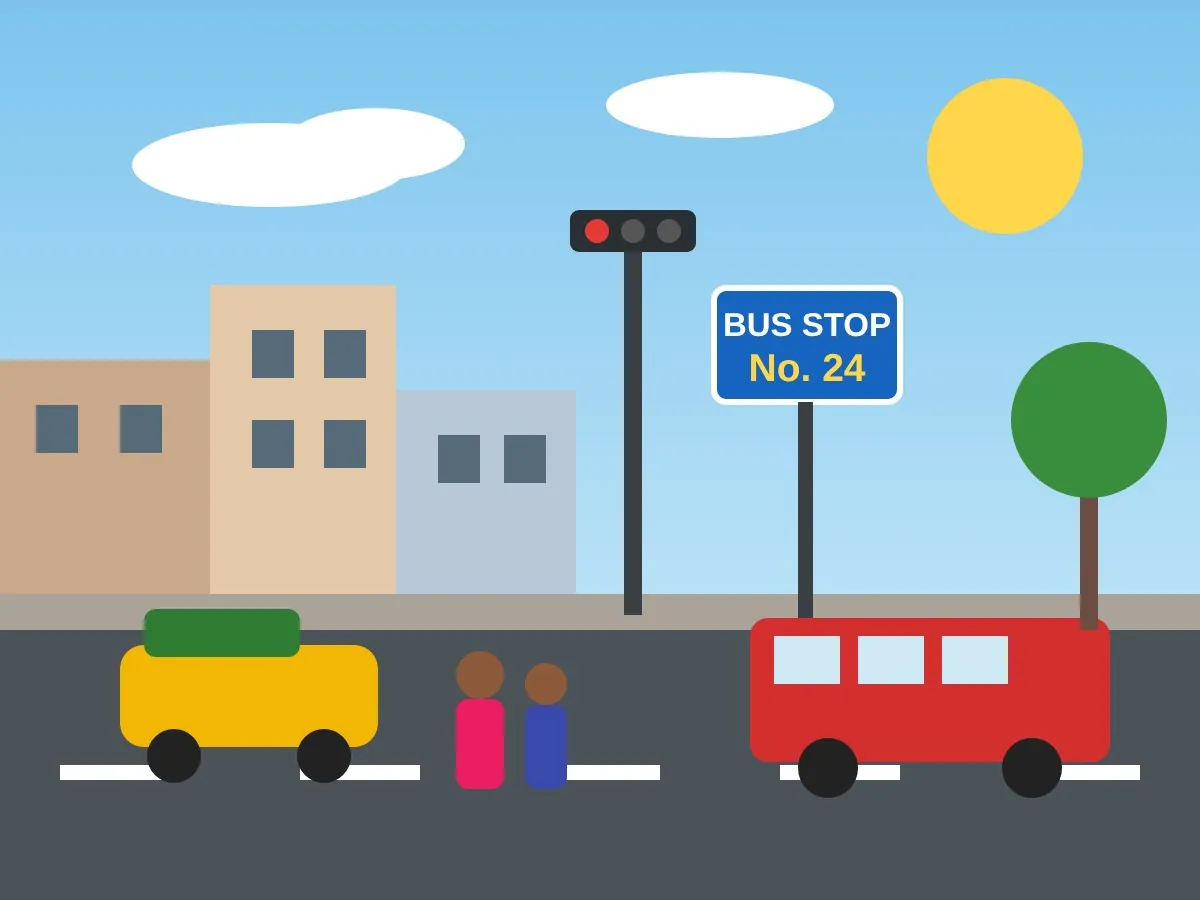
Simulated pictures, made to help people understand glaucoma. They are not a medical test.
Types of glaucoma at a glance
| Type | What happens | How we help |
|---|---|---|
| Primary open-angle glaucoma | The commonest type. The drain looks open but clogs slowly. No pain, side vision fades. | Drops for life, SLT laser, surgery if it keeps worsening |
| Angle-closure glaucoma | The drain is physically shut. Sudden pain, red eye, halos, vomiting. An emergency. | Emergency pressure control, then laser iridotomy and surgery |
| Narrow angle (suspect) | The angle is tight and may close one day. | Laser iridotomy to prevent an attack |
| Normal-tension glaucoma | Nerve damage with pressure in the normal range. | Lower the pressure further, treat the nerve risk factors |
| Secondary glaucoma | Caused by steroids, injury, inflammation, diabetes or a mature cataract. | Treat the cause, and lower the pressure |
| Steroid-induced glaucoma | Steroid drops, tablets, creams or puffers push the pressure up in some people. | Stop or change the steroid under supervision, and lower the pressure |
| Congenital and childhood glaucoma | Present from birth or early childhood, with large, watery, cloudy eyes. | Early assessment and surgery by the paediatric team |
Glaucoma at Shree Retina Care, in short
- What it is: damage to the optic nerve, the cable that carries the picture from the eye to the brain. High eye pressure is the main cause and the only thing that can be treated.
- Why it is dangerous: there is usually no pain and no blur at first. Side vision goes first, and vision that is lost cannot be restored.
- Who treats you: Dr. Khushbu Partani (MBBS, DOMS, FCO), with more than 50,000 cataract surgeries.
- How we find it: eye pressure, drainage angle check (gonioscopy), OCT of the nerve, visual field test and corneal thickness.
- How we treat it: pressure-lowering drops, SLT or iridotomy laser, and surgery when the pressure cannot be controlled.
- Book: call +91 93017 70138. Cashless with 37 insurers and TPAs and 13 government schemes.
Signs and Risk Factors of Glaucoma
Early glaucoma has no signs, which is why risk factors matter most. These are the signs, from the quiet ones to the emergencies.
Fear of Going Blind, Lifelong Drops, Surgery Worries and Cost: The Real Pain Points
Patients with glaucoma tell us the same things again and again. Most feel fine and cannot believe they are ill, many fear that drops will be needed for ever, and some have stopped treatment because it seemed useless. Here is what we hear and how we respond.
My vision is clear and I have no pain.That is exactly how glaucoma behaves. It takes side vision first, and the brain hides the gaps. Tests, not symptoms, make the diagnosis.
I have heard that glaucoma ends in blindness.Most patients who start treatment early and follow it keep useful vision for life. Blindness mostly happens when treatment is late or stopped.
Every day, every few hours. It is too much.Drops are simplified as far as possible, and laser or surgery can reduce the number you need. We plan a routine you can keep.
I want to stop them.Never stop on your own. Tell us, and we change the drop, because there are several types with different side effects.
How can that be?The nerve, not the pressure reading, decides the diagnosis. Some nerves are damaged at normal pressure, and the aim is to bring the pressure lower still.
I am afraid of an operation on my eye.Glaucoma surgery lowers the pressure to protect the sight that remains. It does not bring back lost vision, and we explain every step first.
Will I get it too?The risk is higher, so a full check-up is advised from the age of 35 to 40, and every year after that.
Could they have harmed my eye?Steroids can raise eye pressure in some people. A pressure check and an optic nerve scan are needed.
We live outside Raipur and it is a long journey.We combine the tests in one visit, give a written plan and tell you which reviews can be spaced out. The cashless desk checks Ayushman, CGHS and insurance first.
Glaucoma Conditions Treated in Raipur at Shree Retina Care
This table explains the main glaucoma conditions in plain words and how each is managed. Click through to the dedicated article for more.
| Condition | What is happening | How we treat it | Read more |
|---|---|---|---|
| Open-angle glaucoma | Slow clogging of the drain with silent nerve damage. | Drops, SLT laser and, if needed, surgery | Types of glaucoma → |
| Angle-closure glaucoma | Sudden or slow closure of the drain. | Emergency control, laser iridotomy and surgery | Angle-closure attack → |
| Stages of glaucoma | From early field loss to advanced loss. | Treatment matched to the stage | Glaucoma stages → |
| Early signs and symptoms | Quiet changes in the side vision. | Screening and testing | Early signs → |
| Glaucoma tests | Pressure, angle, nerve scan and field test. | A full workup in one visit | Glaucoma tests explained → |
| Glaucoma eye drops | Daily drops that lower the pressure. | Choice, technique and side effects | Glaucoma eye drops → |
| Glaucoma surgery | When drops and laser are not enough. | Trabeculectomy, tube or valve, and other options | Glaucoma surgery → |
| Normal eye pressure | What a reading means and when it is not enough. | Pressure plus nerve assessment | Normal eye pressure → |
| Glaucoma and cataract | The two often occur together in older patients. | Combined planning of both | Glaucoma and cataracts → |
| Family history | A parent or sibling with glaucoma. | Earlier and regular screening | Family history of glaucoma → |
| Peripheral vision loss | Loss of side vision as an early sign. | Field testing and treatment | Peripheral vision loss → |
| Living with glaucoma | Daily routine, drops, exercise and diet. | A plan you can keep | Daily life with glaucoma → |
| Glaucoma treatment cost | What tests, laser and surgery cost in Raipur. | A clear price range before you decide | Glaucoma treatment cost in Raipur → |
| Eye pressure test | A basic test that can find glaucoma early. | Pressure check as part of a complete exam | Eye pressure test in Raipur → |
Glaucoma Tests at Shree Retina Care, Raipur: What Each One Shows
Glaucoma cannot be diagnosed from one number. It is found by putting together the eye pressure, the angle of the eye, the shape of the optic nerve and the map of your side vision. Most of these tests are painless and quick, and most patients have them in one visit. Here is each test, what it shows and what you will feel.
Step 1: Your story and your risk factors
The first tool is a conversation. The doctor asks whether anyone in your family has glaucoma or went blind, whether you have diabetes, blood pressure, migraine, thyroid disease or heart disease, whether you are very short-sighted, whether you have ever had an eye injury, and above all whether you have used steroids in any form: eye drops, tablets, injections, creams or inhalers. Steroids are a known cause of high eye pressure.
Please bring every eye drop and old report, and any earlier pressure reading or field test, even from another city. Old numbers are valuable because glaucoma is judged by change over time.
Step 2: Eye pressure measurement (tonometry)
Eye pressure is measured by a gentle touch of a small probe or a puff of air after the eye is numbed with a drop. It takes a few seconds per eye, and you feel almost nothing. The normal range is roughly 10 to 21 mmHg, but this is only a guide. Some people have glaucoma at 15, and some have 24 and never develop damage.
Because pressure changes through the day, one reading can mislead. Readings are noted at every visit, and sometimes the doctor asks you to come at a different time of day to see the highest pressure.
Step 3: Slit lamp examination of the front of the eye
At the slit lamp, a microscope with a thin beam of light, the doctor looks at the cornea, the depth of the front chamber, the iris and the lens. A shallow chamber and a narrow gap near the edge of the iris are early warnings of angle-closure. Signs of past inflammation, injury, a mature cataract or deposits on the lens can also point to a cause of raised pressure.
Step 4: Gonioscopy, a look at the drainage angle
Gonioscopy is the test that tells open-angle from angle-closure glaucoma. After numbing drops, a small mirrored lens is placed on the front of the eye. It lets the doctor look directly at the drain, which cannot be seen from outside. You may feel the lens touching, but it should not hurt, and the test takes a couple of minutes.
The result decides the treatment. A narrow or closed angle is treated with a laser iridotomy, while an open angle is treated with drops or SLT laser. This is why a glaucoma check without gonioscopy is incomplete.
Step 5: Dilated examination of the optic nerve
Drops widen the pupil for 20 to 30 minutes. The doctor then looks at the optic nerve head, the round spot where the nerve leaves the eye. A healthy nerve has a small central dip, the cup. In glaucoma the cup becomes larger and deeper, and the rim of healthy tissue becomes thin. A thin rim, a notch or a small bleed on the nerve can be seen before any change in vision.
Near vision stays blurred and bright light feels harsher for four to six hours after dilation. Please bring someone with you, avoid driving and carry sunglasses.
Step 6: OCT scan of the optic nerve and nerve fibre layer
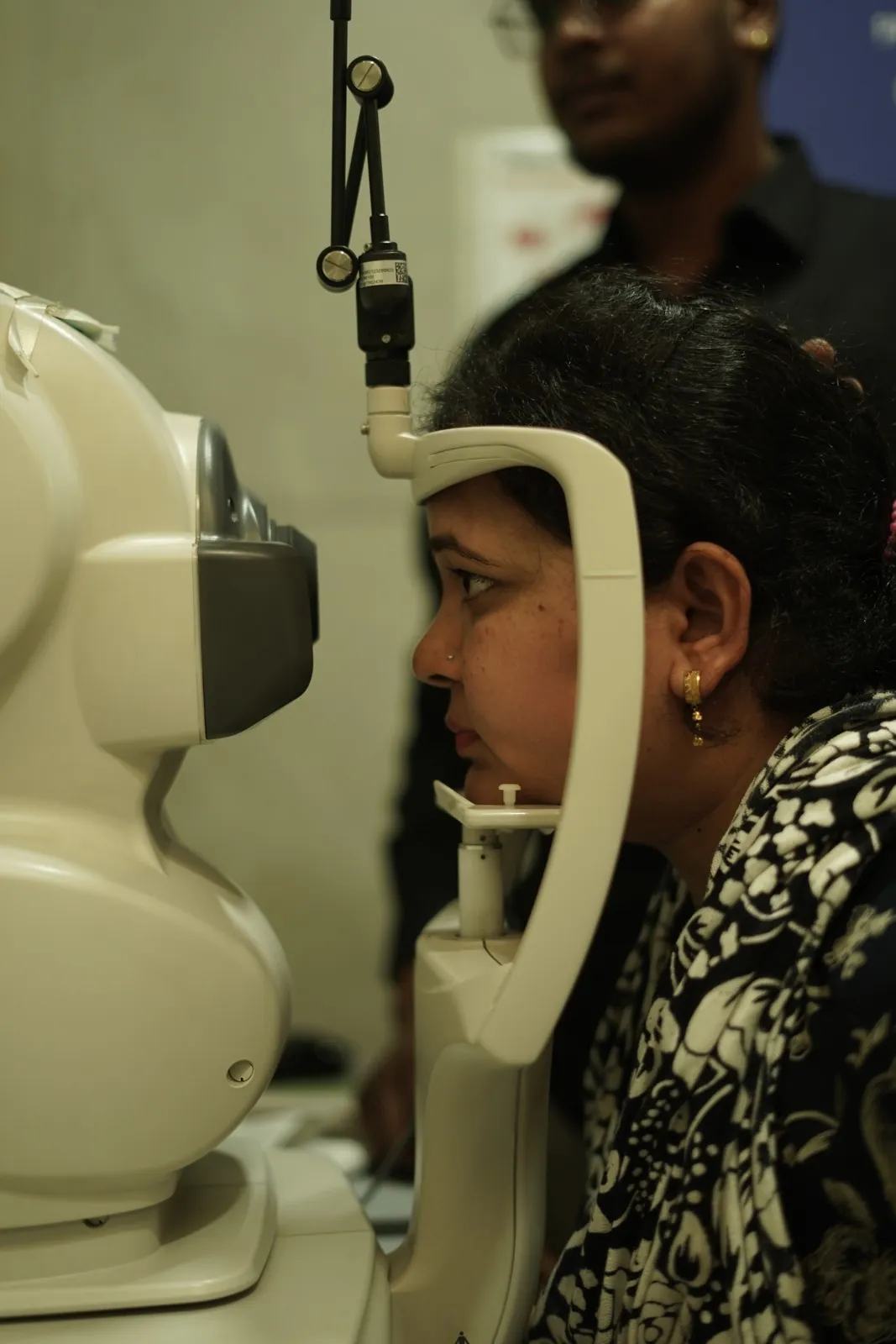
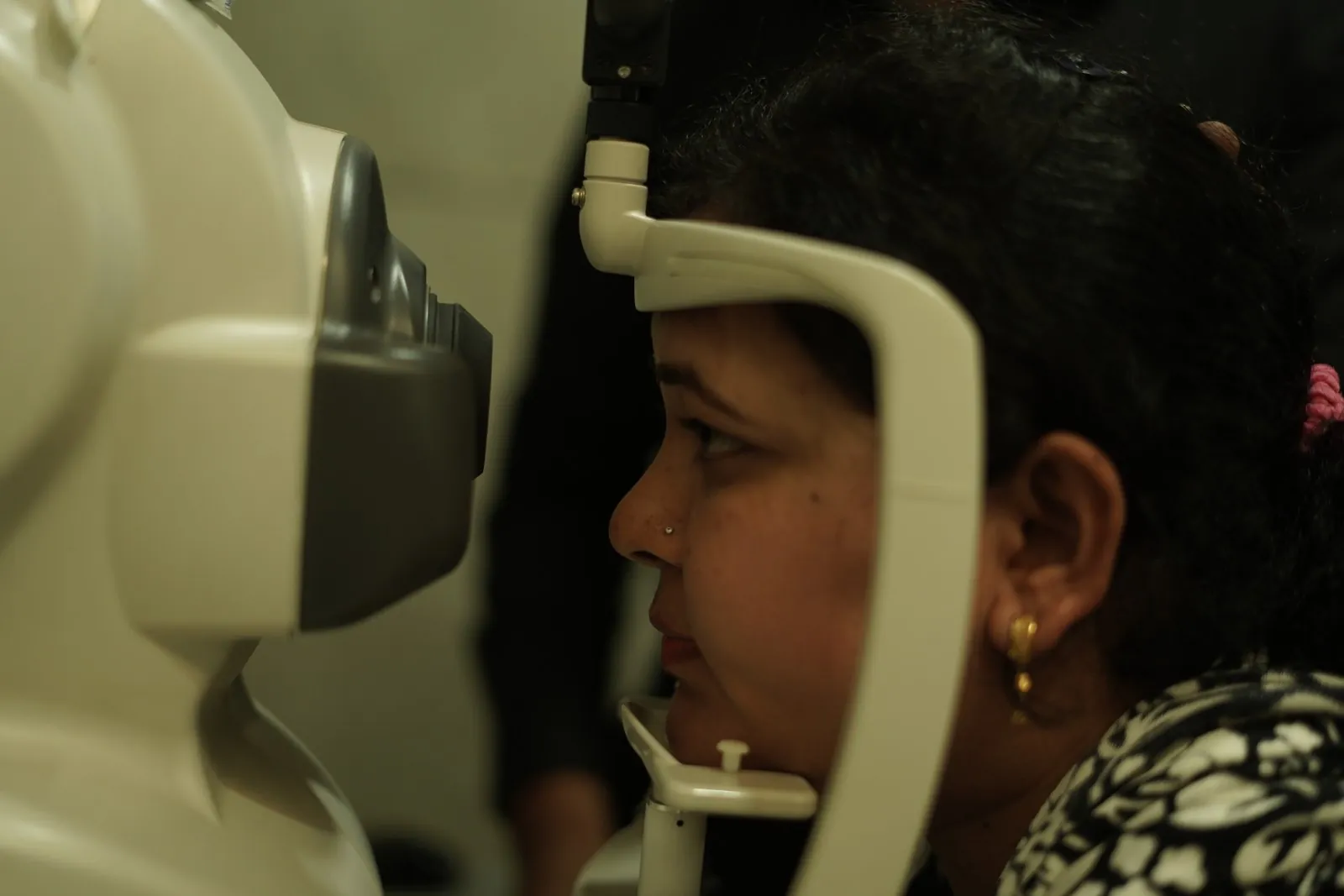
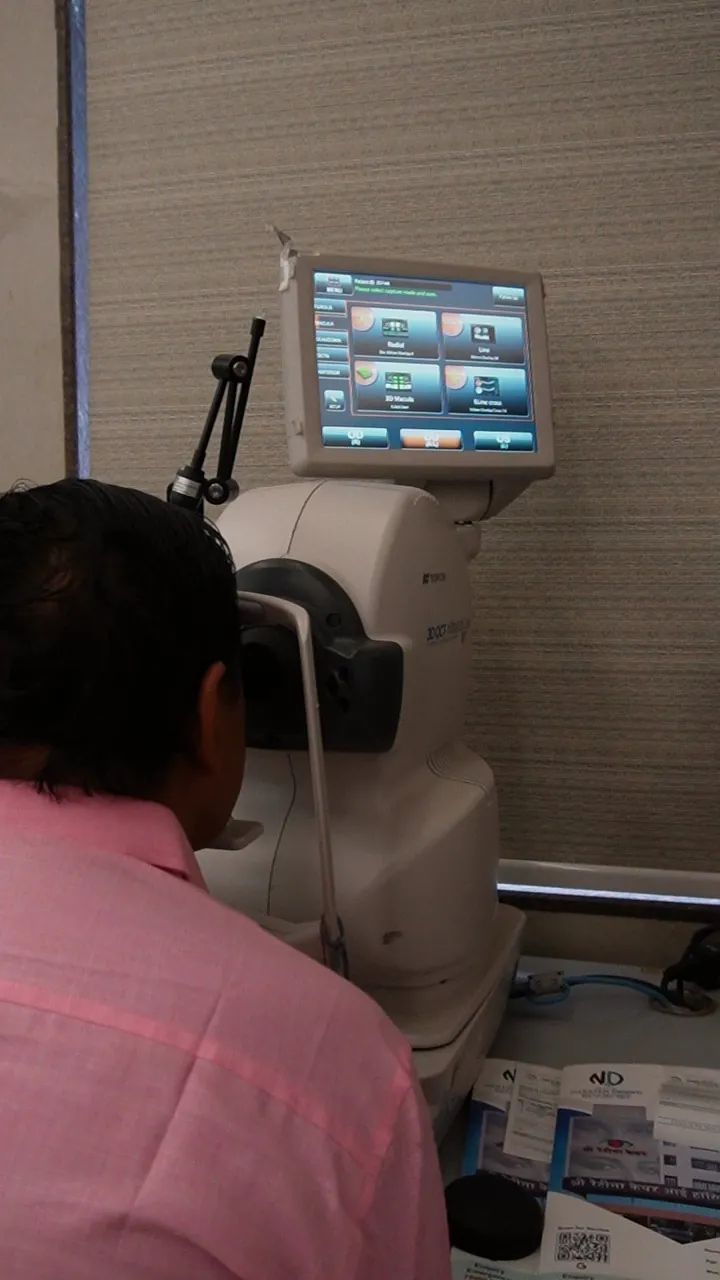
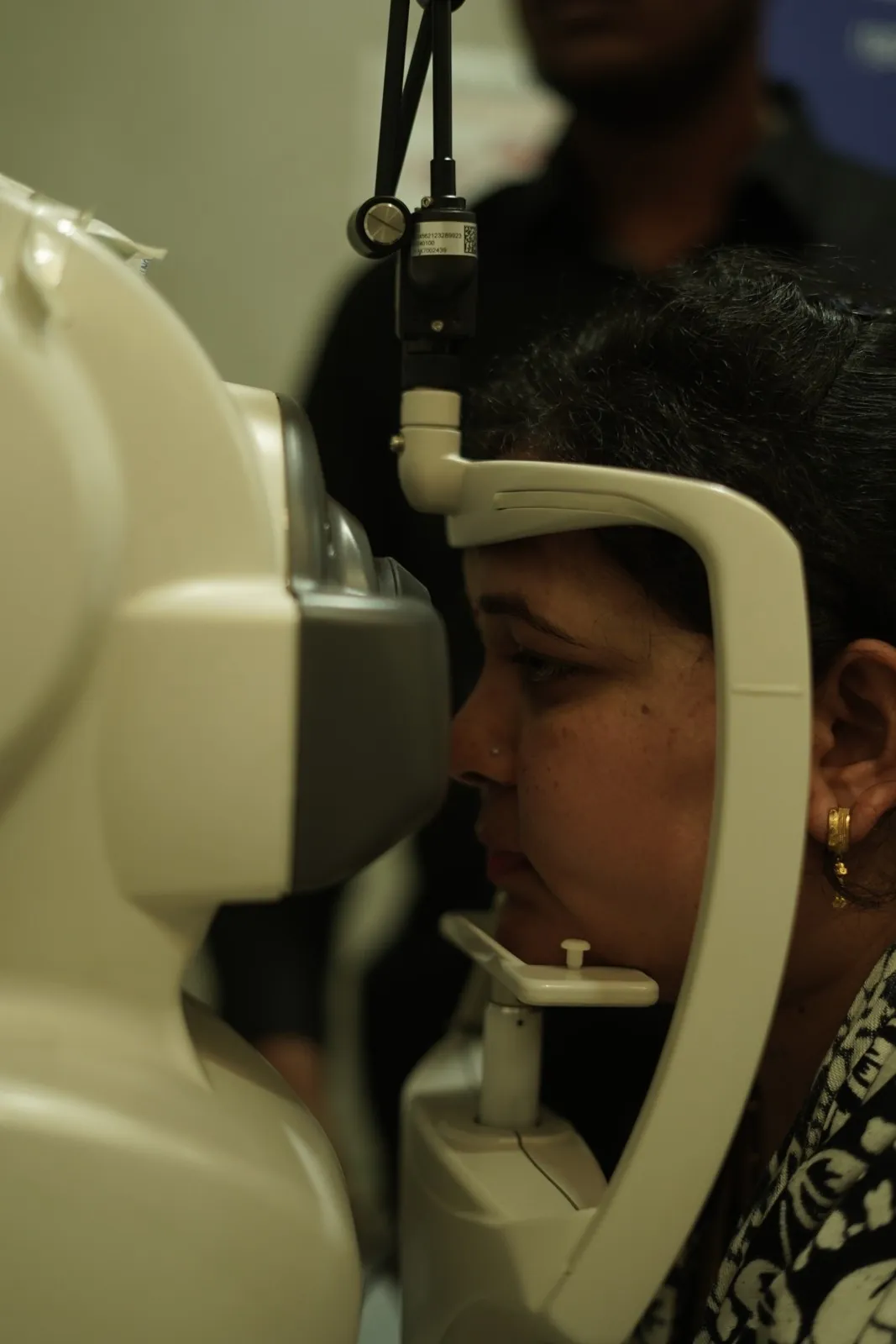
Optical coherence tomography (OCT) uses light, not X-rays, to measure the thickness of the nerve fibre layer around the optic nerve and the shape of the cup. You rest your chin and forehead on the supports and look at a small light for a few seconds per eye. Nothing touches the eye and nothing is injected.
OCT can show thinning of the nerve before you have any symptoms, and it gives a number that can be compared with the next scan. A fall in thickness over time shows that glaucoma is progressing, even when the pressure looks well controlled.
Step 7: Visual field test (perimetry)
The visual field test maps your side vision. You look at a small light in the centre of a bowl-shaped machine and press a button every time you see a flash of light in the corner of your eye. The test takes about five to ten minutes per eye, and it is tiring and slightly boring, but it is the most important test for following glaucoma.
The first test is often not perfect, as people take time to learn it, so it is repeated. A series of field tests over months and years shows whether the damage is stable or advancing, and it decides whether treatment needs to be stepped up.
Step 8: Corneal thickness (pachymetry)
A thin cornea can make the pressure reading look lower than it truly is, and a thick one can make it look higher. A quick, painless scan of the cornea measures its thickness so that the pressure can be interpreted correctly. A thin cornea is also a risk factor for glaucoma in itself. This test is usually done only once.
Step 9: Photographs and progression analysis
Nerve photographs, OCT scans and field tests are stored and compared at every visit. Software can show how many fibres have been lost between scans and at what rate. Glaucoma is a slow disease, and the rate of change tells the doctor whether the present treatment is enough for your lifetime.
Step 10: Other checks and a review of your medicines
Blood pressure and sugar are reviewed, because very low night-time blood pressure and diabetes can add to nerve damage. Heart, lung and kidney problems are noted before choosing eye drops and tablets, because some glaucoma medicines are not suitable in asthma, slow heartbeat or kidney stones. A review of every steroid you use is made, and the doctor may write to your physician.
You leave with a clear explanation of which type of glaucoma you have, how much damage there is, your target pressure and the date of the next review.
Glaucoma Treatment in Raipur: Drops, Laser and Surgery
Glaucoma treatment has one aim: to lower the pressure inside the eye to a level at which the optic nerve stops being damaged. Damage already done cannot be reversed, so treatment works best when it starts early and never stops. This section explains each option in plain words, so that you know what is offered, what to expect and what to ask.
Eye drops: the first treatment for most patients
Most open-angle glaucoma is treated first with eye drops. They work in different ways. Prostaglandin drops, usually one drop at night, help fluid leave the eye. Beta-blocker, alpha-agonist and carbonic anhydrase inhibitor drops reduce the fluid the eye makes. Many bottles contain two medicines so that fewer drops are needed. Read our guide on glaucoma eye drops.
Drops only work when they are used every day. Wash your hands, tilt the head back, put one drop in the pocket made by the lower lid, close the eye gently for a minute and press on the inner corner to stop the drop draining into the nose. Wait five minutes between two different drops. Never run out, never stop because the eye feels fine, and never share drops.
Side effects differ by drop. Some cause redness, stinging, darker lashes, a sunken look around the eye, tiredness or a slow pulse. Tell us at once, because there is almost always another choice.
SLT laser (selective laser trabeculoplasty)
SLT is an outpatient laser for open-angle glaucoma. After numbing drops, a cool laser is aimed at the drain through a small lens, and it triggers the drain to clear itself. It takes only a few minutes, and there is no cut. Many patients can reduce or delay drops after SLT, and some use it as a first treatment when drops are difficult to use.
The effect may last for some years and then fade, and in some eyes SLT can be repeated. After the laser, the eye may be mildly sore or light-sensitive for a day, and a short course of drops is used. The pressure is checked within hours and again within weeks.
Laser iridotomy for narrow and closed angles
In a narrow or closed angle, the iris leans forward and blocks the drain. A laser makes a tiny hole in the edge of the iris so that fluid can flow forward without being blocked. It is done in the outpatient laser room after drops that numb the eye and make the pupil small, and takes a few minutes per eye.
Laser iridotomy is the main treatment to prevent an angle-closure attack, and it is used to treat an attack once the pressure is brought down. Some patients notice a small line or glare in the upper vision afterwards. Eyes with a narrow angle should be checked again, because the angle can still be closed by the lens, and in many people cataract surgery then widens it.
Emergency care for an acute angle-closure attack
An attack is a true eye emergency. The pressure can reach more than double the normal level, with severe pain, a hard red eye, blur, halos, headache and vomiting. Treatment brings the pressure down at once with drops, tablets and sometimes a drip, and then a laser iridotomy or other procedure opens the angle. The other eye is treated to prevent a second attack.
The earlier the pressure is brought down, the more of the nerve is saved. Do not wait for the pain to settle. Read our guide on the angle-closure glaucoma attack.
Trabeculectomy: a new drain for the eye
When drops and laser cannot control the pressure, the commonest operation is a trabeculectomy. The surgeon makes a tiny flap in the white of the eye and creates a new drainage channel, so that fluid escapes under the upper eyelid, where it is absorbed. A medicine may be used to keep the channel from scarring over.
It is done in the operation theatre under local anaesthesia and takes less than an hour. Afterwards the eye is padded for a day, many drops are used for several weeks, and the pressure is checked often. The aim is to lower the pressure and protect what vision is left, and sight that has been lost does not return. Read about the operation in glaucoma surgery: when drops are not enough.
Tube or valve implant
In eyes that have had earlier surgery, injury, inflammation or scarring, or in some secondary glaucomas, a tiny tube is placed in the eye and connected to a small plate under the eyelid. Fluid flows through the tube to the plate, where it is absorbed. The operation is done under local anaesthesia in the theatre, and the follow-up is similar to a trabeculectomy.
Combined cataract and glaucoma surgery, and other options
Many older patients have both a cataract and glaucoma. When a cataract is operated on, the eye pressure often falls a little, and in an eye with a narrow angle the angle widens. In selected patients the surgeon combines cataract removal with a glaucoma procedure to lower the pressure at the same time. The choice depends on the stage of glaucoma, the pressure and the angle. Read our guide on having both glaucoma and cataract.
In very advanced or blind painful eyes, a laser that treats the part of the eye that makes the fluid (cyclophotocoagulation) may be used to reduce pressure.
Treating the cause, and protecting the nerve
Secondary glaucomas are treated at their root: a steroid is stopped or changed, an inflammation is controlled, a mature cataract is removed or an injury is repaired. Blood pressure and diabetes are kept in good control, and the doctor and your physician agree on the targets. Regular walking helps, while headstands and heavy straining can raise the pressure and should be avoided. Read our guide on how to control glaucoma without surgery.
Long-term follow-up: the part that saves your sight
Glaucoma is a lifelong condition. After the first plan, visits are usually every three to six months, with a field test and OCT once or twice a year. If the pressure is high, the nerve is thinning or the field is worsening, the plan is stepped up: a new drop, a laser or surgery. A glaucoma patient who attends every review and uses drops properly has the best chance of keeping sight for life. Our guide on proper glaucoma management explains the routine.
Glaucoma Care with Dr. Khushbu Partani at Shree Retina Care
Your tests, treatment plan, laser, surgery and follow-up are handled by the same doctor, in the same NABH accredited hospital in Raipur.
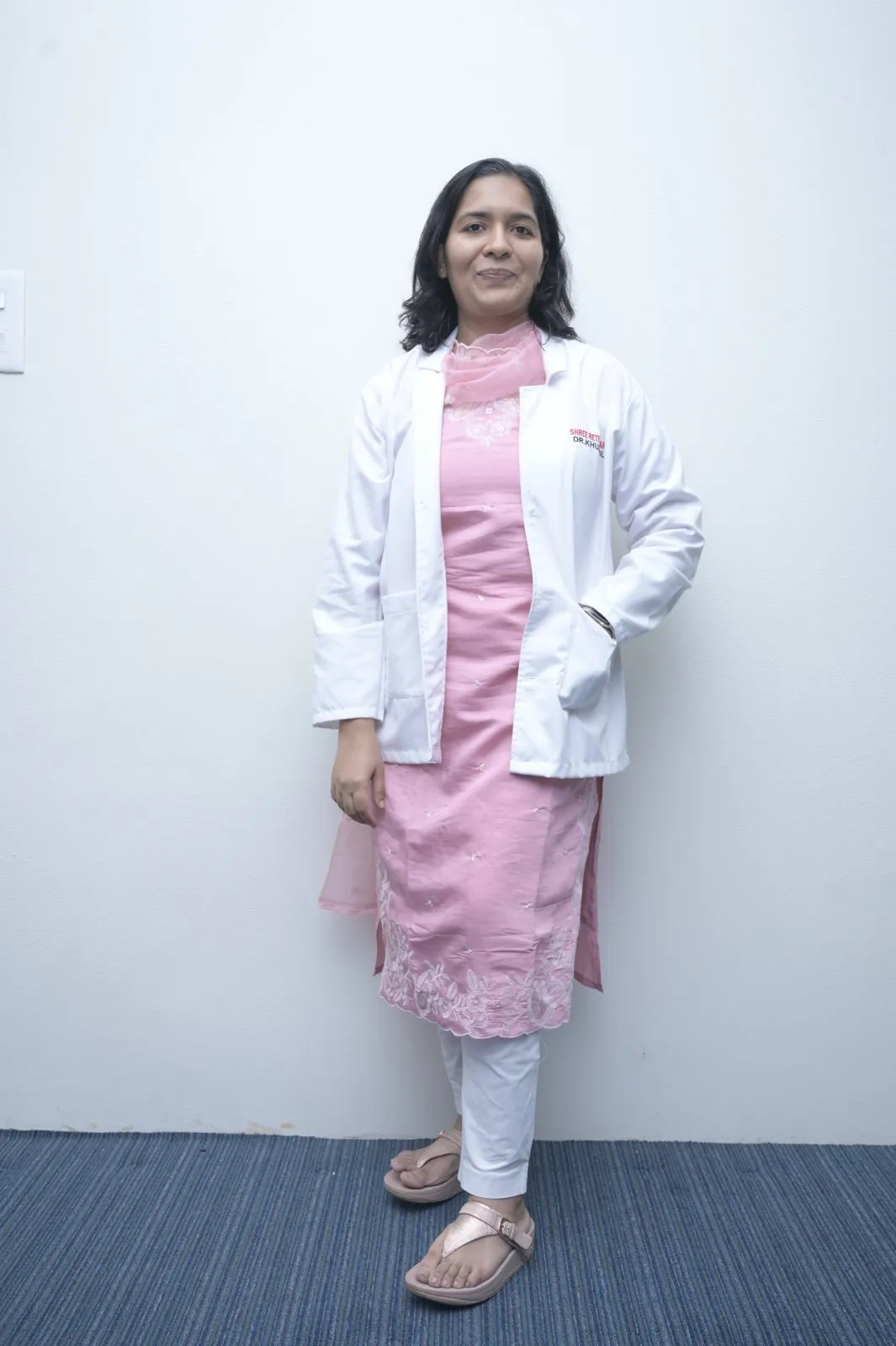
Dr. Khushbu Partani
Dr. Khushbu Partani sees patients with glaucoma at Shree Retina Care, and families in Raipur and across Chhattisgarh trust her with long-term pressure and optic nerve care. She has performed more than 50,000 cataract surgeries, including complicated cases, so she knows the front of the eye, the drainage angle and the lens as a surgeon, which matters in narrow angles and in patients who have both glaucoma and cataract.
- Eye pressure, gonioscopy and optic nerve assessment
- OCT and visual field planning and long-term comparison
- Drop plans, laser planning and surgical decisions
- Narrow-angle care and cataract planning in glaucoma eyes
- Steady follow-up, so changes are caught early
Where Your Glaucoma Is Tested and Treated: Shree Retina Care Eye Hospital, Raipur
Glaucoma care is a long relationship, so it needs a hospital that can do the tests, the laser, the surgery and the follow-up in one place. At Shree Retina Care it is all inside one NABH accredited eye hospital in Raipur.
Shree Retina Care is a super-speciality eye hospital that treats cataract, LASIK, glaucoma, retina, children's eye care, squint and cornea under one roof. For a glaucoma patient this means that the pressure, the nerve scan and the field test can be done together, a cataract can be planned alongside glaucoma, and the retina can be checked, without moving from one centre to another.
The hospital is on TV Tower Road, Turning Point Chowk, Main Road, Shankar Nagar, Raipur, Chhattisgarh 492007. Call +91 93017 70138 for an appointment, and +91 93031 55605 for the cashless desk.
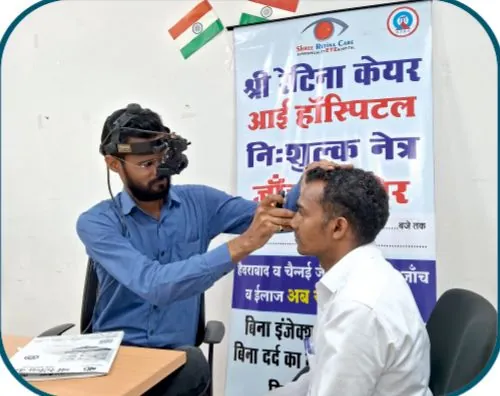
Free eye check-up camp and optic nerve scanning
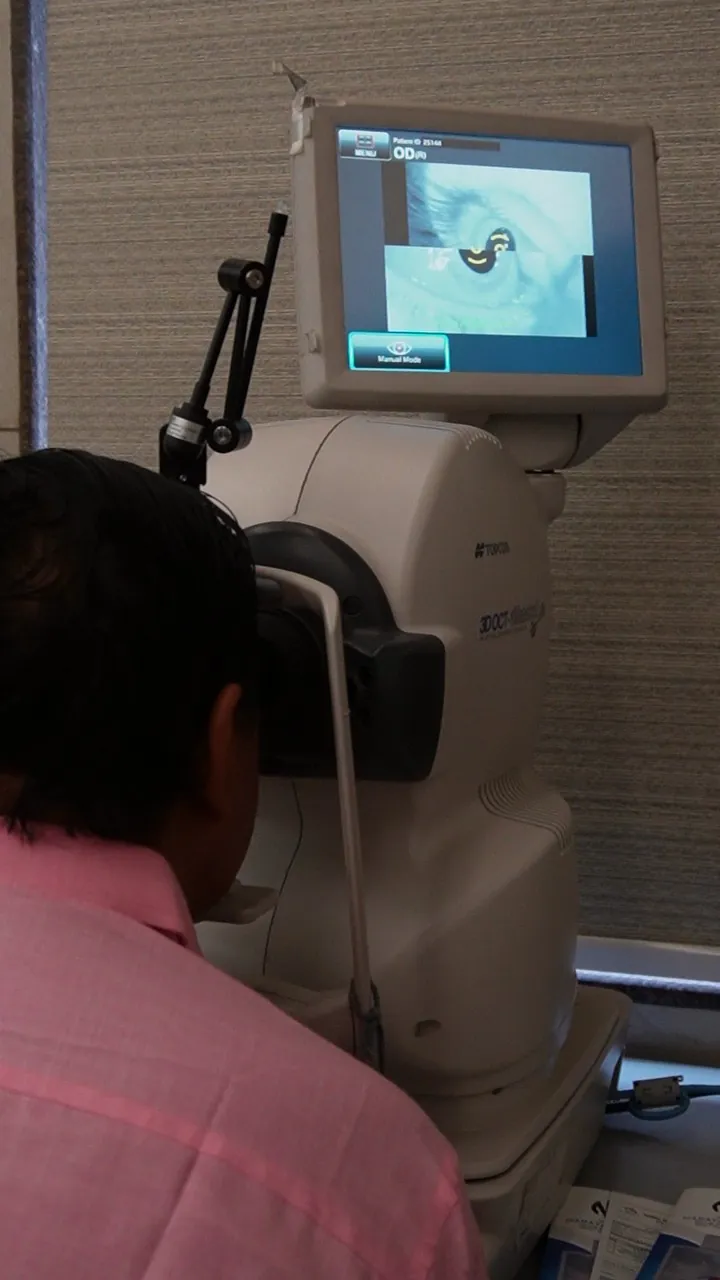
Machines used in glaucoma care
Glaucoma Treatment Is a Ladder: Most Patients Never Need Surgery
The word surgery frightens people, and many delay the first visit because of it. In truth most patients are managed with drops, and some with a laser. Treatment moves up a step only when the pressure stays too high.
The step you start at depends on the type of glaucoma, the damage on the scans and your target pressure. Some eyes, such as those with a closed angle, begin with a laser.
The Drainage Angle: Why Some Glaucoma Comes Without Pain and Some Comes Like a Storm
Fluid leaves the eye through a small drain in the angle between the iris and the cornea. How wide that angle is decides the type of glaucoma, and how urgent it can become.
Open angle
The most common type. The angle looks wide, but the filter slowly clogs, and pressure creeps up over years. There is no pain, so people do not know until the side vision has shrunk.
Narrow angle
The gap is tight. It is more common in people who are long-sighted and in many Asian eyes. A short laser can open it before an attack. Read about the laser iridotomy for narrow angles.
Closed angle
The drain shuts. Pressure shoots up, and the eye becomes hard, red and painful. It is an emergency, and sight can be lost within days.
What Glaucoma Does to the Optic Nerve: The Growing Cup
The optic nerve head has a small pit in its centre, called the cup. As nerve fibres die, the cup grows larger and deeper. An OCT scan measures this, and compares it year by year.
Read how the tests work in our guide on glaucoma tests: OCT, field test and gonioscopy.
How Side Vision Disappears in Glaucoma: From Silent Patches to Tunnel Vision
The brain fills the gaps so well that most people do not notice the first patches. By the time the loss is felt, a large part of the nerve has already gone. This is why a field test matters.
Lost vision does not come back. Treatment protects what is left, so the earlier it starts, the more of your sight is saved.
Who Should Be Tested for Glaucoma: Six Common Risk Factors
Anyone can develop glaucoma, but certain people are at higher risk. If one or more of these apply to you, a full check is worth booking, even if your eyes feel fine.
Read who should get a glaucoma screening in Raipur for the full guide.
Glaucoma Urgency Guide: When to Come Today, This Week or Routinely
Most glaucoma is slow, but a few forms are an emergency. Use this guide to decide how quickly to be seen, and when in doubt, call us on 93017 70138.
- Severe eye pain with a hard red eye
- Halos around lights with headache or vomiting
- Sudden blur or sudden drop in vision
- Eye injury, then pain or blur
- Pain or redness after glaucoma surgery
- Bumping into things on one side
- Missing steps or kerbs
- Pressure reading above normal at an optician
- Drops causing burning, redness or headache
- A close relative newly told they have glaucoma
- Age 40 or above and never had a pressure test
- Diabetes, high blood pressure or high minus glasses
- Yearly OCT or field test for known glaucoma
- Using steroid medicines for a long time
- Family history of glaucoma
Cataract or Glaucoma: How to Tell the Difference
Older patients often assume that blurred vision means cataract. Sometimes it does, and sometimes a silent glaucoma is running alongside. A check settles it.
| What you notice | Cataract (cloudy lens) | Glaucoma (nerve damage) |
|---|---|---|
| How it starts | Slowly, with misty or dim vision | Silently, with no symptoms at first |
| Pain | None | None in the common type. Severe in an angle-closure attack |
| What is lost | Clarity of the whole picture | Side vision first, then the centre |
| Can new glasses help | Only for a short time | No, glasses do not fix nerve damage |
| Is lost vision restored | Yes, after surgery | No, damage is permanent |
| Treatment | Cataract surgery | Drops, laser or surgery to lower pressure |
| Can both occur together | Yes. Many patients over 60 have both, and the two are planned together. | |
Read can a person have both glaucoma and cataract. This table is a guide. Only an examination can tell for certain.
Steroid Medicines and Glaucoma: A Risk Many Patients Do Not Know About
Steroids can raise eye pressure, and in some people they cause glaucoma. In Chhattisgarh this often follows eye drops bought from a medical shop for a red or itchy eye.
Where steroids hide
Eye drops and ointments for red eye or allergy, tablets for pain or joints, skin creams used near the eyes, and inhalers for asthma can all contain steroids. Pressure may rise silently over weeks.
What to do
Do not buy eye drops without a prescription, and do not repeat an old prescription. If you have used steroid drops for more than a few weeks, have your eye pressure checked. Tell every doctor that you have glaucoma, or that glaucoma runs in your family.
Read more
Read our guide on steroid eye drops and glaucoma.
Ten Habits That Protect Your Sight with Glaucoma
Glaucoma is a lifelong condition, but it is one that most people live with well. These habits make the biggest difference.
- Use every drop at the same time each day, and never skip because the eye feels fine.
- Keep every appointment, even when you feel well.
- Do the OCT and field tests when asked. They show changes that you cannot feel.
- Carry your drop list and old reports to every visit.
- Never stop or change drops on your own.
- Avoid steroid medicines unless a doctor who knows about your glaucoma prescribes them.
- Keep blood pressure and diabetes under control.
- Exercise gently most days, and avoid long headstands.
- Light the house well and clear paths, because side vision loss causes falls.
- Ask your brothers, sisters and grown children to have a glaucoma check.
Ten Myths About Glaucoma (Kala Motiya) and the Facts
Wrong ideas about glaucoma lead to late treatment. These are the ones we hear most often.
MythGlaucoma always gives pain.
FactThe common type gives no pain. Pain is a sign of an angle-closure attack, which is a different and urgent form.
MythIf my vision is clear, I cannot have glaucoma.
FactCentral vision stays clear until late. The side vision is lost first, so you can have glaucoma and read the chart well.
MythGlasses or cataract surgery can cure glaucoma.
FactNeither treats the nerve damage. Cataract surgery can lower pressure a little in some eyes, but glaucoma needs its own treatment.
MythGlaucoma is only for old people.
FactIt is more common after 40, but it can occur in young adults, and in rare cases in babies and children.
MythNormal eye pressure rules out glaucoma.
FactSome people develop nerve damage with normal pressure readings. The nerve and the field tests give the answer.
MythOnce the pressure is normal, I can stop the drops.
FactDrops keep the pressure low. Stopping them lets it rise again and the damage continues.
MythEye drops from a medical shop can reduce pressure.
FactOnly drops chosen for your eye and your pressure target will work, and some common drops can raise the pressure.
MythSurgery for glaucoma will restore my sight.
FactSurgery protects the remaining vision. It does not bring back lost sight.
MythLaser for glaucoma burns the eye.
FactSLT is a gentle, short and painless laser that works on the drain. It does not cut or burn the eye.
MythGlaucoma will always end in blindness.
FactWith early detection and regular treatment, most people keep useful sight for life.
Glaucoma Specialist in Raipur: Why Patients Choose Shree Retina Care
Glaucoma care is a long relationship. Patients and families tell us what matters most when they pick a glaucoma hospital in Raipur.
An NABH accredited eye hospital
Shree Retina Care is an NABH accredited, 30-bed eye hospital in Raipur, working since 2016. The accreditation covers patient safety, hygiene in theatres and clear processes in every department.
A surgeon who knows the front of the eye
Dr. Khushbu Partani has performed more than 50,000 cataract surgeries, so the angle, the lens and the operating microscope are her daily work. This helps in narrow angles and in eyes that have both glaucoma and cataract.
Tests, laser, surgery and follow-up in one place
Pressure, gonioscopy, OCT, field test, drops, laser planning and surgery are all in one hospital, with the earlier scans kept beside the new ones.
Cashless care and clear costs
The cashless desk works with 37 insurers and TPAs and 13 government schemes, including Ayushman Bharat, CGHS and ECHS. We explain the likely cost before a procedure, so there are no surprises.
Glaucoma Hospital Near Me in Chhattisgarh: Patients Travel to Us from Across the State
If you are searching for a glaucoma specialist near me, a glaucoma hospital in Raipur or a kala motiya doctor in Chhattisgarh, this is where patients from the whole state come.
From the districts around Raipur
Patients travel to Shree Retina Care from Bilaspur, Bhilai, Durg, Korba, Rajnandgaon, Kanker, Balod, Gariaband, Janjgir-Champa and Ambikapur, and from Jagdalpur in Bastar, for pressure checks, OCT, field tests, laser and surgery. Read glaucoma hospital for Chhattisgarh districts.
What helps you plan the trip
Call 93017 70138 before you travel and tell us your problem. We plan the tests together so that the pressure check, scans and the doctor's plan happen in one visit. If your eye is hard, red and painful, come the same day and do not wait for an appointment slot.
When you live far away
Many follow-up visits can be planned at longer intervals once the pressure is stable. We give a written plan, tell you what to watch for and tell you clearly when to return at once.
Questions to Ask Your Glaucoma Doctor
Good questions help you understand your eye and your plan. Write them down and bring them to the visit.
- Which type of glaucoma do I have?
- What is my eye pressure, and what is my target pressure?
- How much damage is there on the OCT and the field test?
- Which drops do I use, how often, and what side effects should I watch for?
- Is laser suitable for me, and how long does it last?
- When would surgery be needed, and which type?
- How often do I need OCT and field tests?
- Should my family be tested?
- What is the total expected cost, and what does cashless cover?
- What signs mean that I must return at once?
From a Routine Check to a Lifetime of Protected Sight: The Full Path
Glaucoma is a journey of years, and every stage has its own worry. This is the full path and what we do at each stage.
- The first hint
A high reading, a family history or a slip
Many people are first told about glaucoma at an optician or during a cataract or glasses check. Others find it after a fall, a missed step or when a relative is diagnosed.What we doCall 93017 70138 and tell us. A full glaucoma workup is planned, so you are not told only a pressure number. - Visit 1
The complete glaucoma workup
You are anxious, you feel well and cannot believe it is serious.What we doPressure, slit lamp, gonioscopy, dilated nerve examination, OCT, visual field and corneal thickness, in one planned visit where possible. - Same day
A diagnosis in plain words
You want to know whether you will go blind and what happens next.What we doThe doctor explains which type you have, how much damage there is, your target pressure and the plan, and answers your questions. - Weeks 1 to 6
Starting drops or laser
The drops sting, the routine is new and you forget doses.What we doSimple dosing times, a demonstration of how to put in a drop, a check for side effects and an early pressure review. - Months 1 to 12
Review and reassess
It is tempting to stop when the eye feels fine.What we doPressure checks every few months, OCT and field tests once or twice a year, and a change of plan if the numbers move. - If more is needed
Laser or surgery
Fear of an operation on the eye.What we doA clear explanation of the procedure, the cost and the recovery, a pre-operative check, surgery and a written aftercare plan. - Long term
Living well with glaucoma
Worry about the future and about the family.What we doYearly checks for life, advice on driving, exercise and diet, and screening for your close relatives.
What to Expect at Your First Glaucoma Visit
Plan a visit of about three to four hours for the first complete workup, because dilating drops and several scans need time.
- RegistrationAt the front desk. Bring all drops, glasses, old reports and any earlier pressure or field test.
- Vision and pressureVision test, then eye pressure and corneal thickness.
- Scans and field testOCT scan of the nerve, and the visual field test.
- Doctor examinationSlit lamp, gonioscopy and a dilated look at the optic nerve.
- Plan and next visitYour diagnosis, target pressure, drops or laser, and the date of the next review. The cashless desk helps if a procedure is needed.
Average Cost of Glaucoma Tests, Laser and Surgery in Raipur
The cost depends on what your eye needs. Tests, drops, laser and surgery are priced separately. These are the average ranges seen in Raipur.
| Treatment | Average range in Raipur | What changes the price |
|---|---|---|
| Visual field test | About ₹500 to ₹2,500 | The type of field test and the number of tests needed |
| OCT scan of the optic nerve | About ₹800 to ₹3,000 | The scan chosen and whether both eyes are done |
| Laser iridotomy or SLT, per eye | About ₹5,000 to ₹20,000 | The type of laser, and whether one or both eyes are treated |
| Trabeculectomy, per eye | About ₹30,000 to ₹60,000 | The medicines used, the type of room and the follow-up needed |
| Tube or valve implant surgery, per eye | About ₹40,000 to ₹90,000 | The implant used, the type of room and the condition of the eye |
| Glaucoma eye drops | Priced by the medicine | The drops chosen and how many bottles you need each month |
After doctor consultation, the prices may vary. Medicines, drops, further tests and a hospital stay are priced separately. Many procedures are covered cashless under Ayushman Bharat, CGHS, ECHS and empanelled insurers, so call the cashless desk on 93031 55605 before you come.
Living with Glaucoma: Drops, Exercise, Driving and Aftercare
What happens between visits matters as much as the visit. These simple habits protect the nerve.
Your daily routine
- Link each drop to a daily habit, such as brushing teeth or going to bed, and set a phone alarm.
- Wash your hands, do not touch the bottle tip to the eye, and close the eye for a minute after each drop.
- Carry a spare bottle when you travel and never run out. Keep a list of your drops.
- Do not stop or change drops without speaking to us, even if the eye feels perfect.
- Do not take steroid tablets, drops or inhalers on your own. Tell every doctor that you have glaucoma.
- After laser or surgery, follow the written plan, avoid rubbing and keep water and dust out of the eye for the period advised.
Protecting your sight in everyday life
- Walk or do gentle exercise most days. Avoid headstands and heavy straining.
- Drink water through the day, and avoid large amounts at once.
- Keep blood pressure and diabetes in control and take your medicines.
- Light in the house helps at night, and clear paths prevent falls on the side where vision is poor.
- Ask about driving if your side vision has shrunk, and do not drive at night if you cannot see well.
- Ask your brothers, sisters and grown children to have a glaucoma check.
Glaucoma Care for Raipur and the Rest of Chhattisgarh
Patients come to Shree Retina Care for glaucoma because the full workup, laser, surgery and years of follow-up are in one hospital, and the doctor sees every change from visit to visit, with the earlier scans beside the new ones.
Searching for a glaucoma specialist or glaucoma hospital near me? If you are in Raipur, Naya Raipur or the towns around, Shree Retina Care is a short drive away, and you can call 93017 70138 to book a visit. If you are coming from outside Raipur, call before you travel so that the tests can be planned for a single trip.
Patients regularly travel to us from Abhanpur, Arang, Baloda Bazar, Bemetara, Bhatgaon, Bhilai, Dhamtari, Durg, Kumhari, Mahasamund, Rajim, Simga, Utai, Naya Raipur, Sarangarh, Raigarh and Kharsiya in Chhattisgarh, and Nuapada in Odisha.
Patients come to us from
Call 93017 70138 before travelling so that the right doctor and tests are ready.
Read More in Our Glaucoma Blog
Short, simple articles for patients in Raipur and across Chhattisgarh.
Glaucoma Treatment in Raipur: Your Questions Answered
Answers about eye pressure, tests, drops, laser, surgery, cost and cashless care.
Over 40 or glaucoma in the family?
Call +91 93017 70138 to book an eye pressure and glaucoma check with Dr. Khushbu Partani.
Which is the best glaucoma hospital in Raipur?
Shree Retina Care in Shankar Nagar, Raipur is an NABH accredited, 30-bed eye hospital where Dr. Khushbu Partani (MBBS, DOMS, FCO) manages glaucoma. Pressure checks, gonioscopy, OCT, field tests, drops, laser planning, surgery and long-term follow-up are available in one place, and cashless care is offered with 37 insurers and TPAs and 13 government schemes.
Who is the best glaucoma specialist in Raipur?
Patients in Raipur and across Chhattisgarh see Dr. Khushbu Partani at Shree Retina Care for glaucoma. She has performed more than 50,000 cataract surgeries and works daily with the angle and the front of the eye. Read our guide on how to choose a glaucoma specialist in Raipur.
What is glaucoma?
Glaucoma is a group of eye diseases in which the optic nerve is slowly damaged, most often because eye pressure is too high for that nerve. It causes permanent loss of side vision first, and often has no pain or warning.
What is kala motiya?
Kala motiya is the common Hindi name for glaucoma. It should not be confused with safed motiya, which is cataract. Read our guide on the different types of glaucoma.
What are the early symptoms of glaucoma?
Most people have no symptoms at first. Later signs include missing patches at the side, bumping into things, missing steps, difficulty in dim light and the need for frequent glasses changes. Read early signs of glaucoma you should not ignore.
Why is glaucoma called the silent thief of sight?
Because the common type causes no pain, and the brain fills in the missing parts of the picture. By the time a person notices, a large part of the nerve may have been lost.
Can glaucoma be cured?
No. Glaucoma cannot be cured, and lost vision cannot be restored. It can be controlled, and with early detection and regular treatment most people keep useful sight for life.
What causes glaucoma?
In most cases the drainage of fluid from the eye is slow, and pressure builds. Age, family history, diabetes, high blood pressure, high minus glasses, eye injury, steroid use and a narrow drainage angle are the usual risk factors.
What is normal eye pressure?
Normal eye pressure is roughly 10 to 21 mmHg, but the safe level differs from person to person. Some people have damage even at normal readings, and others have higher readings without damage. Read what your pressure reading means.
Can I have glaucoma with normal eye pressure?
Yes. This is called normal tension glaucoma. The nerve is damaged although pressure readings look normal, so the nerve and field tests are essential.
Who should be tested for glaucoma?
Everyone over 40 should have one complete check, and earlier if there is a family history, diabetes, high blood pressure, high minus glasses, past eye injury or long steroid use. Read who should get a glaucoma screening.
How is glaucoma diagnosed?
A complete workup includes eye pressure, gonioscopy of the drainage angle, a dilated look at the optic nerve, OCT of the nerve, a visual field test and corneal thickness. No single test is enough. Read glaucoma tests explained.
What is an eye pressure test?
It measures the pressure inside the eye, usually with a gentle probe or a puff of air after numbing drops. It takes a minute per eye. See our eye pressure test page.
What is an OCT scan for glaucoma?
OCT is a painless scan that uses light to measure the thickness of the nerve fibre layer. It finds early loss before you can feel it, and is repeated to compare changes.
What is a visual field test?
It is a test in which you press a button every time you see a small light in your side vision. It maps your field of vision and finds patches that you cannot feel.
What is gonioscopy?
Gonioscopy uses a small mirrored lens, placed gently on the numbed eye, to look at the drainage angle. It shows whether the angle is open, narrow or closed, and it decides the type of glaucoma.
How much does a glaucoma test cost in Raipur?
A visual field test costs about ₹500 to ₹2,500 and an OCT of the optic nerve about ₹800 to ₹3,000 in Raipur. The price depends on the type of test and whether both eyes are done. After doctor consultation, the prices may vary.
How is glaucoma treated?
Treatment lowers the eye pressure. It begins with drops, then laser (SLT or iridotomy), and if needed surgery such as trabeculectomy or a tube implant. Most patients are managed with drops or laser. See the treatment steps above.
Do I have to use glaucoma eye drops for life?
Usually yes, because the drops control the pressure but do not cure the disease. Some patients can reduce drops after laser or surgery, only on the doctor's advice. Read glaucoma eye drops.
What happens if I stop my glaucoma drops?
Eye pressure goes back up and the nerve is damaged again, often without any feeling. Do not stop or change drops on your own, even if you feel perfectly well.
What are the side effects of glaucoma drops?
Common ones are stinging, redness, dryness, blurred vision for a short while, and darkening of the eyelashes. Some drops can affect the heart rate or breathing. Tell your doctor about asthma, heart or kidney problems.
What is SLT laser for glaucoma?
Selective laser trabeculoplasty is a short, painless laser that improves the drain of an open-angle glaucoma eye. It is done in the clinic with numbing drops, and may lower the need for drops. Read SLT laser for glaucoma in Raipur.
What is laser iridotomy?
It is a laser that makes a tiny hole in the iris so that fluid can reach the drain in a narrow or closed angle. It prevents or treats an angle-closure attack. Read laser iridotomy for narrow angles.
How much does glaucoma laser cost in Raipur?
Laser iridotomy or SLT costs about ₹5,000 to ₹20,000 per eye in Raipur. The price depends on the type of laser and whether one or both eyes are treated. After doctor consultation, the prices may vary.
When is glaucoma surgery needed?
When drops and laser cannot keep the pressure below the target and the nerve keeps worsening, or when the damage is advanced at the first visit. Read glaucoma surgery: when drops are not enough.
What is trabeculectomy?
It is an operation that makes a small new drain under the upper eyelid, so that fluid leaves the eye and forms a little blister called a bleb. It is a well-established surgery for lowering pressure.
What is a glaucoma tube or valve implant?
A tiny tube carries fluid from the eye to a small plate under the eyelid. It is used when earlier surgery has failed or when the eye is at high risk of scarring.
How much does glaucoma surgery cost in Raipur?
Trabeculectomy costs about ₹30,000 to ₹60,000 per eye, and a tube or valve implant about ₹40,000 to ₹90,000 per eye in Raipur. The price depends on the implant, the room and the condition of the eye. After doctor consultation, the prices may vary. See glaucoma treatment cost in Raipur.
Is glaucoma surgery painful?
The eye is numbed, and most patients feel pressure but no pain. The eye is sore and red for some days afterwards, which is managed with drops and medicines.
How long does recovery take after glaucoma surgery?
The first two weeks need frequent drops and visits. Vision may be hazy for a few weeks, and the pressure and the bleb are checked often for the first months. Read recovery after glaucoma surgery.
Will surgery restore my lost vision?
No. Surgery protects the remaining vision by lowering pressure. Vision already lost to glaucoma cannot be restored.
What is an angle-closure glaucoma attack?
It is a sudden rise in pressure when the drainage angle closes. It causes severe eye pain, a hard red eye, blur, halos, headache and vomiting, and it is an emergency. Read angle-closure glaucoma attack.
What should I do in an angle-closure attack?
Come to a hospital at once. Do not wait for the pain to settle, and do not put drops from the medical shop. Early treatment saves sight.
Can glaucoma happen in children?
Yes, though it is rare. Signs in babies include a large cloudy cornea, watering and light sensitivity. It needs urgent assessment by a doctor who treats children's eyes.
Does glaucoma run in families?
Yes. Having a parent or sibling with glaucoma raises your risk several times. Close relatives should have a full check. Read family history of glaucoma.
Can diabetes cause glaucoma?
Diabetes raises the risk of the common type, and can cause a severe type called neovascular glaucoma when the retina is badly affected. Yearly dilated checks protect against both. See our diabetic retinopathy page.
Can steroids cause glaucoma?
Yes. Steroid eye drops, tablets, creams and inhalers can raise eye pressure in some people. Do not use steroid eye drops without an examination. Read steroid eye drops and glaucoma.
Can I have glaucoma and cataract together?
Yes, it is common after 60. The two are planned together, and the choice of surgery depends on the pressure and the damage. Read can a person have both glaucoma and cataracts. See also our cataract surgery page.
Can glasses correct glaucoma vision loss?
No. Glasses correct focus, not nerve damage. Changing glasses will not bring back lost side vision.
Can I drive with glaucoma?
Many people with early glaucoma drive safely. If your side vision has shrunk, driving, particularly at night, becomes unsafe. Ask your doctor to assess it from your field test.
Can I exercise with glaucoma?
Yes. Gentle exercise such as walking is helpful. Avoid long headstands and heavy straining. Read daily life tips for glaucoma patients.
Does stress or screen use cause glaucoma?
There is no good proof that screens cause glaucoma. Screens can cause dry and tired eyes, which are different. Regular checks are what protect against glaucoma.
How often should I have glaucoma checks?
Most patients are seen every three to six months for pressure, and have OCT and field tests once or twice a year. The schedule is changed according to how stable the eye is.
Is glaucoma treatment covered by Ayushman Bharat or insurance?
Many glaucoma procedures are covered cashless under Ayushman Bharat, CGHS, ECHS and empanelled insurers, subject to the scheme rules. Call the cashless desk on 93031 55605 before you come. See cashless eye treatment.
What should I bring for my first glaucoma visit?
Bring all your drops, your glasses, earlier reports, any previous pressure, OCT or field test, and a list of medicines you take. Bring a person with you, because dilating drops blur your vision for some hours.
How long does the first glaucoma visit take?
Plan about three to four hours for the first complete workup, because dilating drops and several tests take time.
Do you treat patients from outside Raipur?
Yes. Patients come from Bilaspur, Bhilai, Durg, Korba, Rajnandgaon, Kanker, Balod, Gariaband, Janjgir-Champa, Ambikapur and Jagdalpur. Call 93017 70138 before you travel so that the tests are planned for a single trip.
I live in Bhilai, Durg, Dhamtari or another town near Raipur. Can I get glaucoma treatment at Shree Retina Care?
Yes. Patients come to us for glaucoma treatment from Abhanpur, Arang, Baloda Bazar, Bemetara, Bhatgaon, Bhilai, Dhamtari, Durg, Kumhari, Mahasamund, Rajim, Simga, Utai, Naya Raipur, Sarangarh, Raigarh and Kharsiya in Chhattisgarh, and Nuapada in Odisha. Call 93017 70138 before you travel so your doctor and tests are ready and, where possible, your visit is planned as a single trip.
Book Your Glaucoma Check-up at Shree Retina Care, Raipur
Shree Retina Care Eye Hospital
TV Tower Road, Turning Point Chowk, Main Road, Shankar Nagar, Raipur, Chhattisgarh 492007
