Slide 1

Clear Vision. Expert Care. Your Trusted Eye Hospital.

previous arrow
next arrow

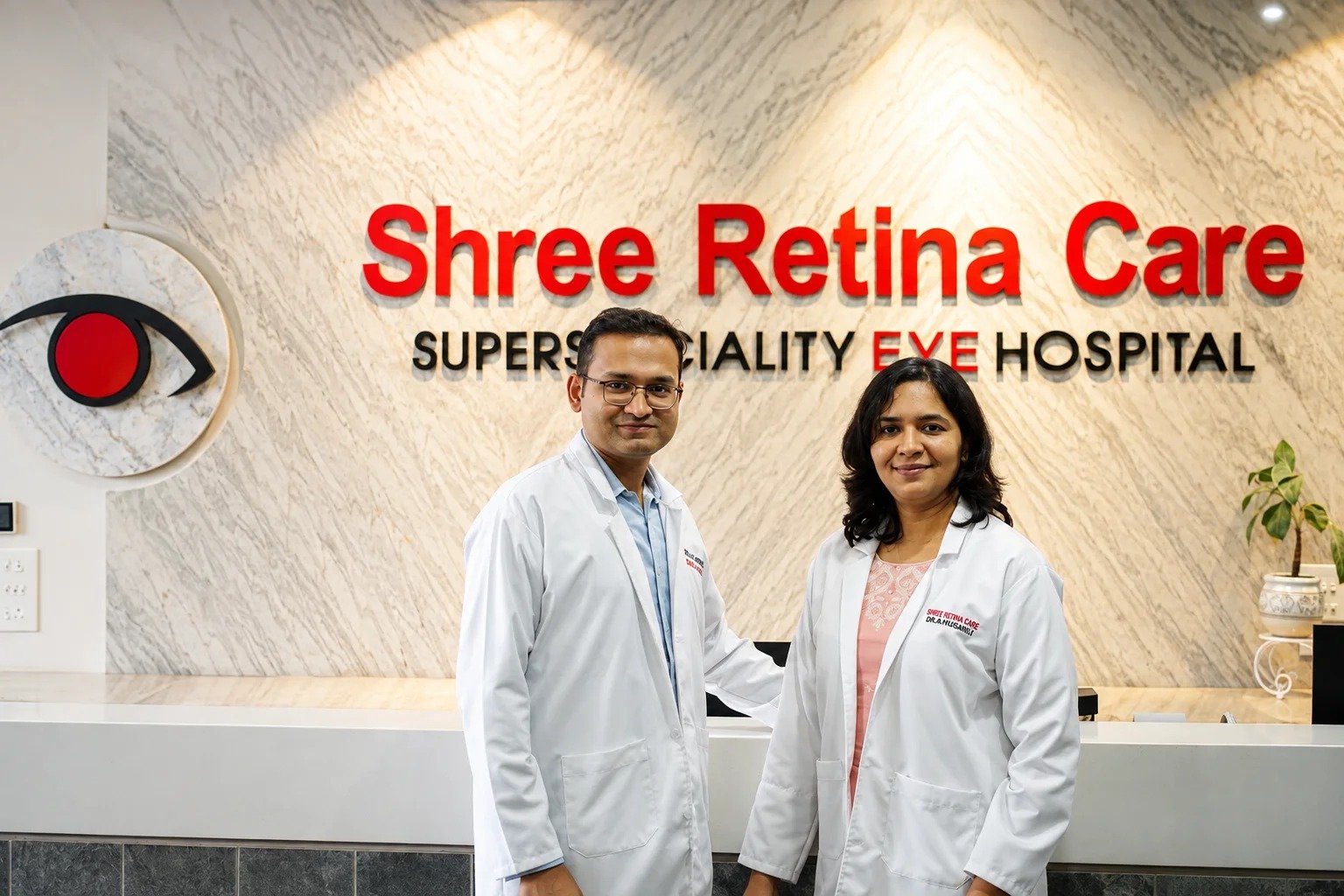
Welcome to Shree Retina Care

phone

Contact

Enquiry No. 7898083460
OPD Appt. 9301770138
Surgery Appt. 8085609669

clock

Address

TV Tower Rd, Above Haldiram, Opposite Rajiv Bhawan, Shankar Nagar, Raipur, Chhattisgarh 492007

Google Reviews

Click here to give us review

Shree Retina Care

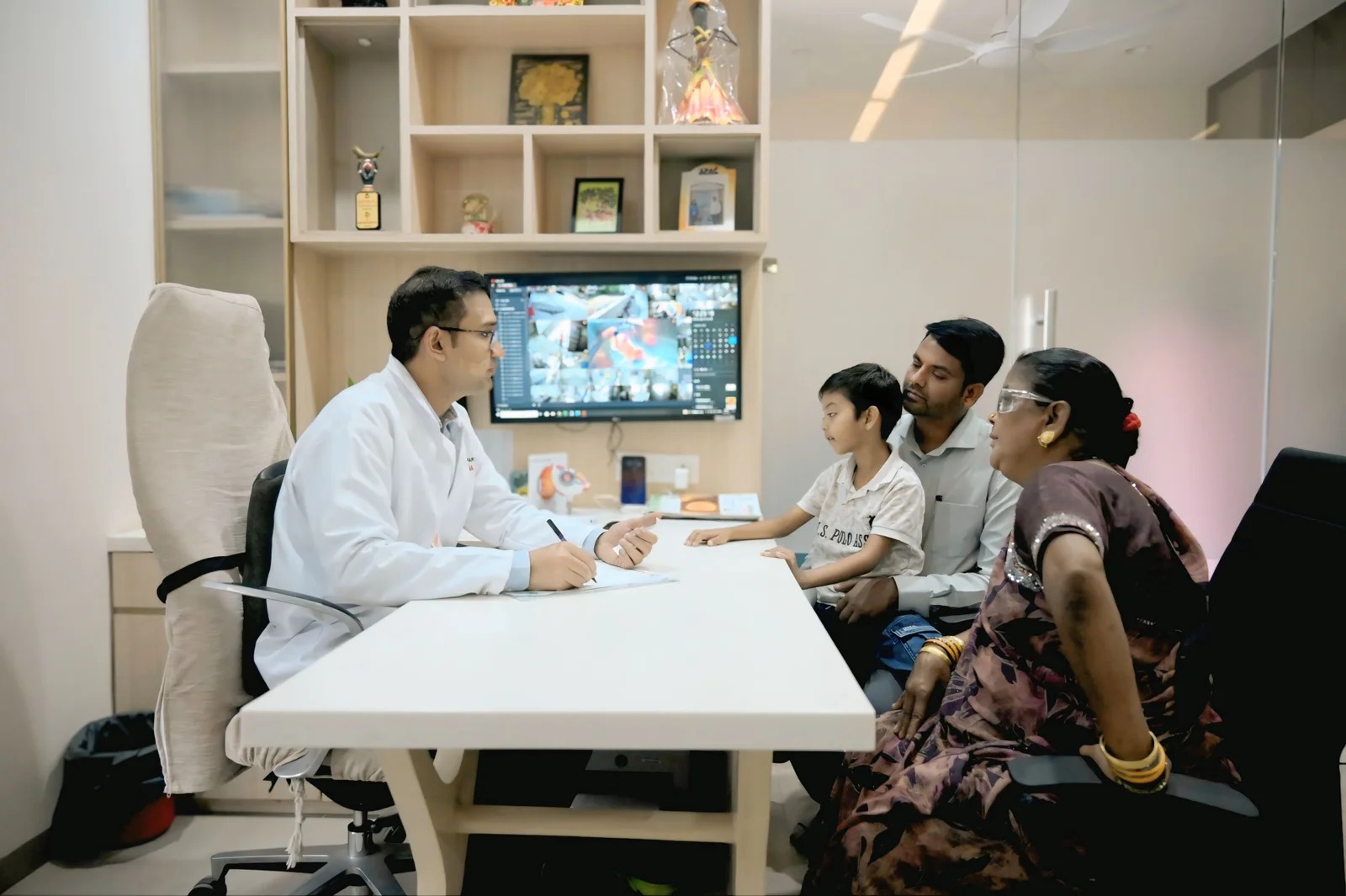
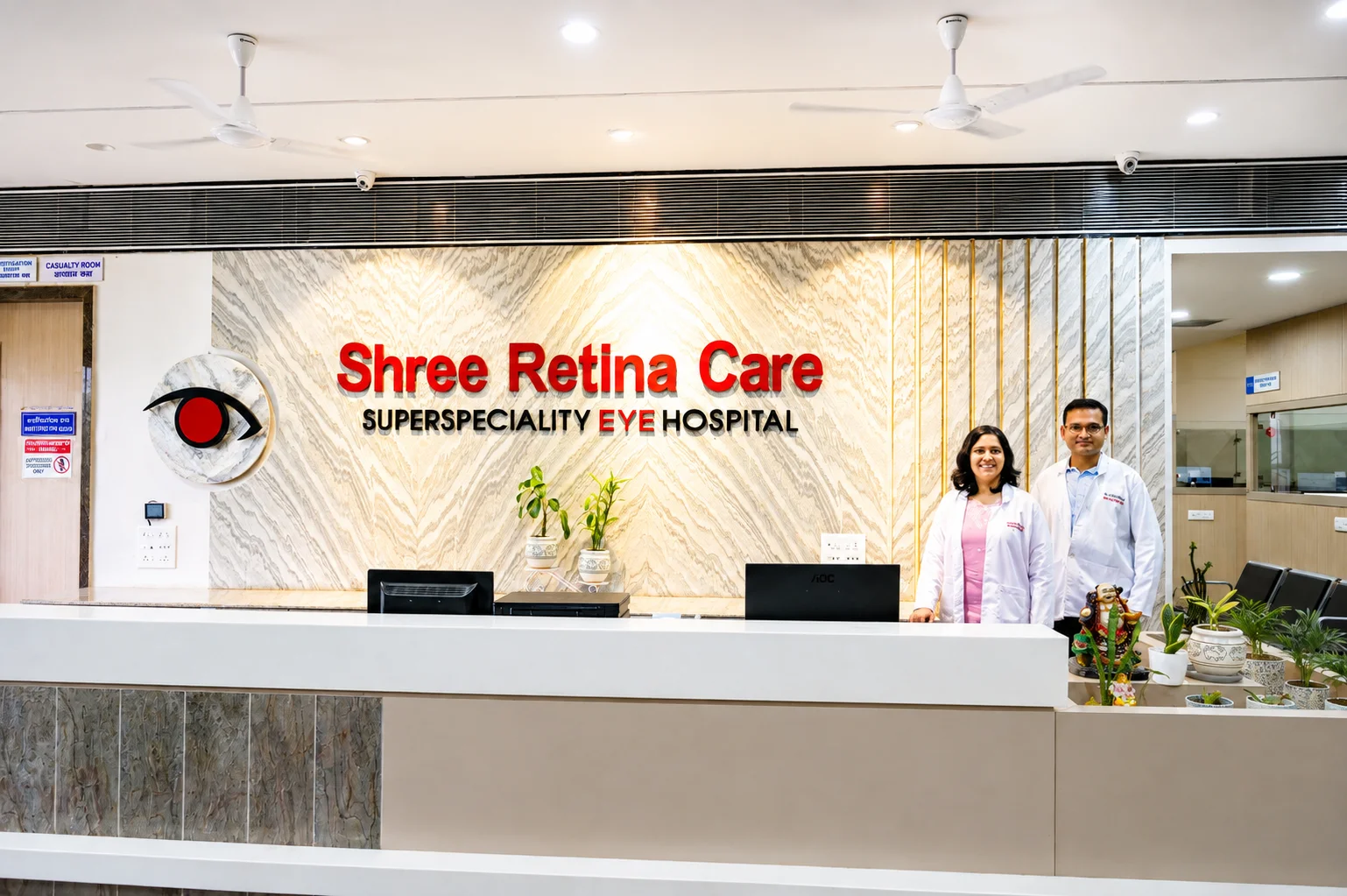
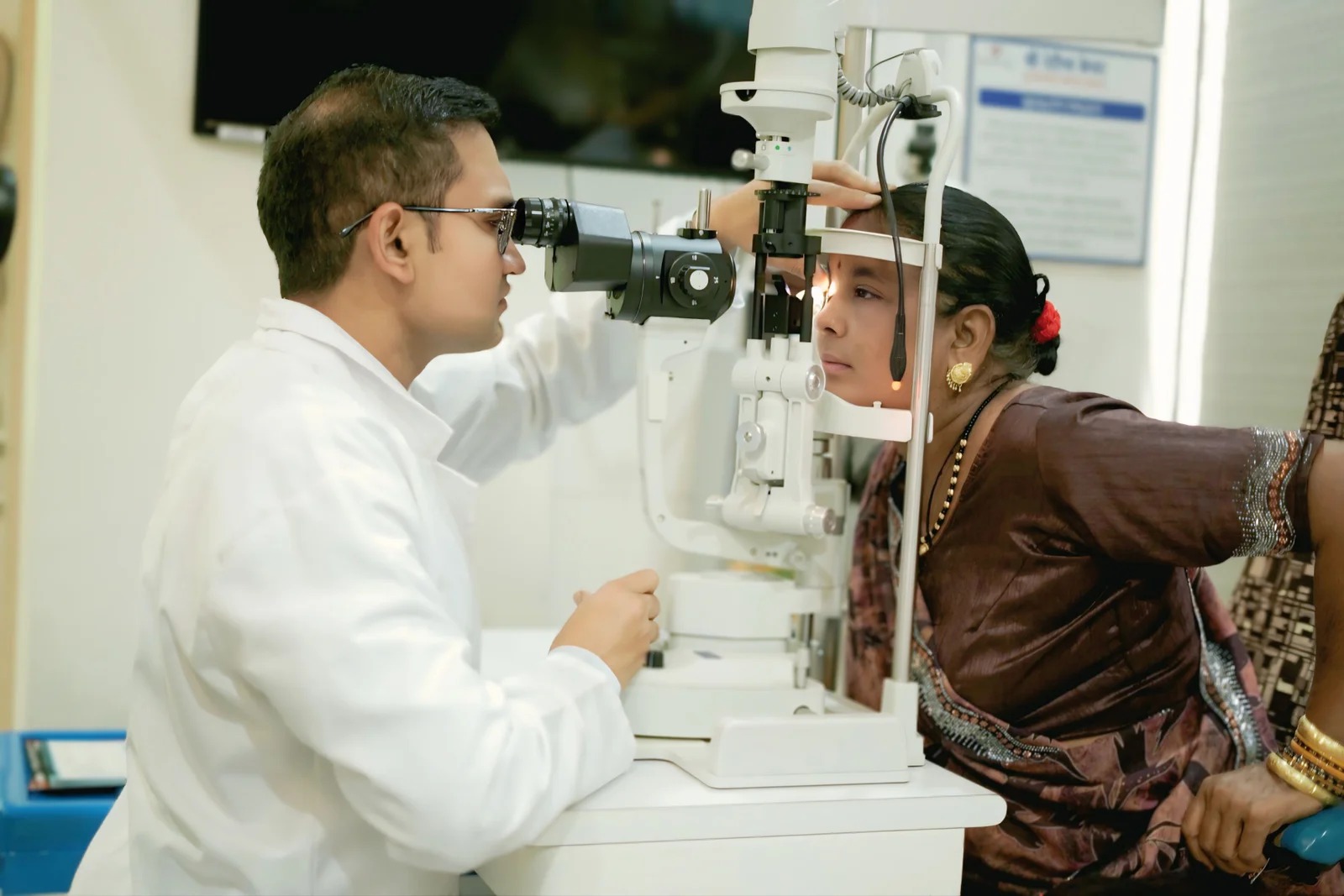
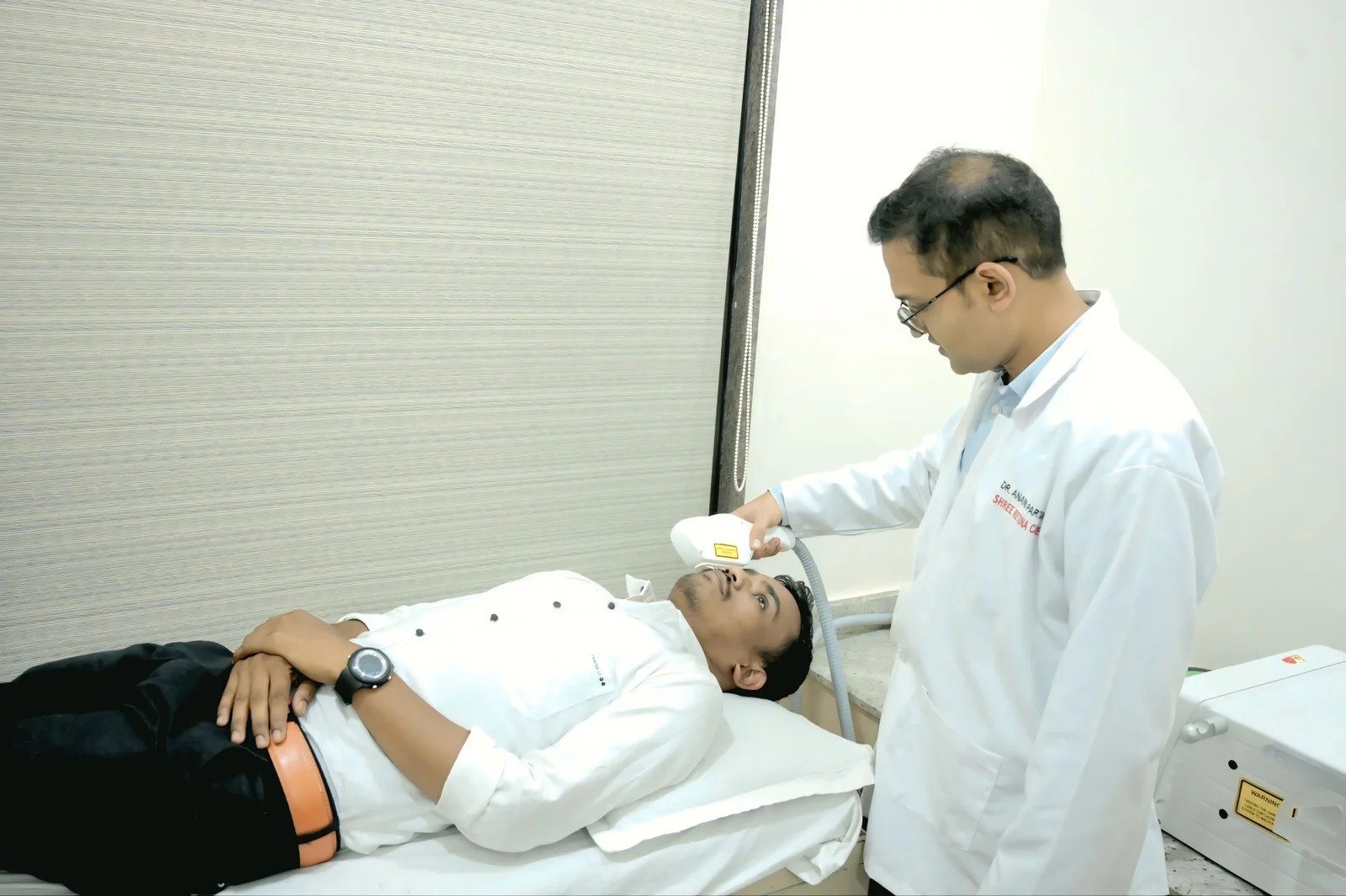
Welcome to the Best Eye Hospital of Raipur, where your vision and well-being are our top priorities. As the leading eye care hospital in Raipur, we take pride in delivering exceptional services and state-of-the-art treatments. Our team of highly skilled eye care specialists is dedicated to providing personalized care and ensuring optimal vision health for each patient. 

Services We Offer

Provide the most advanced medical care to every person.

Retina

Excellence in Retina Care: Specialised Expertise for Your Vision Needs.

UVEA

Comprehensive Uvea Care: Specialized Treatment for Your Eye's Middle Layer.

Pediatric ophthalmology

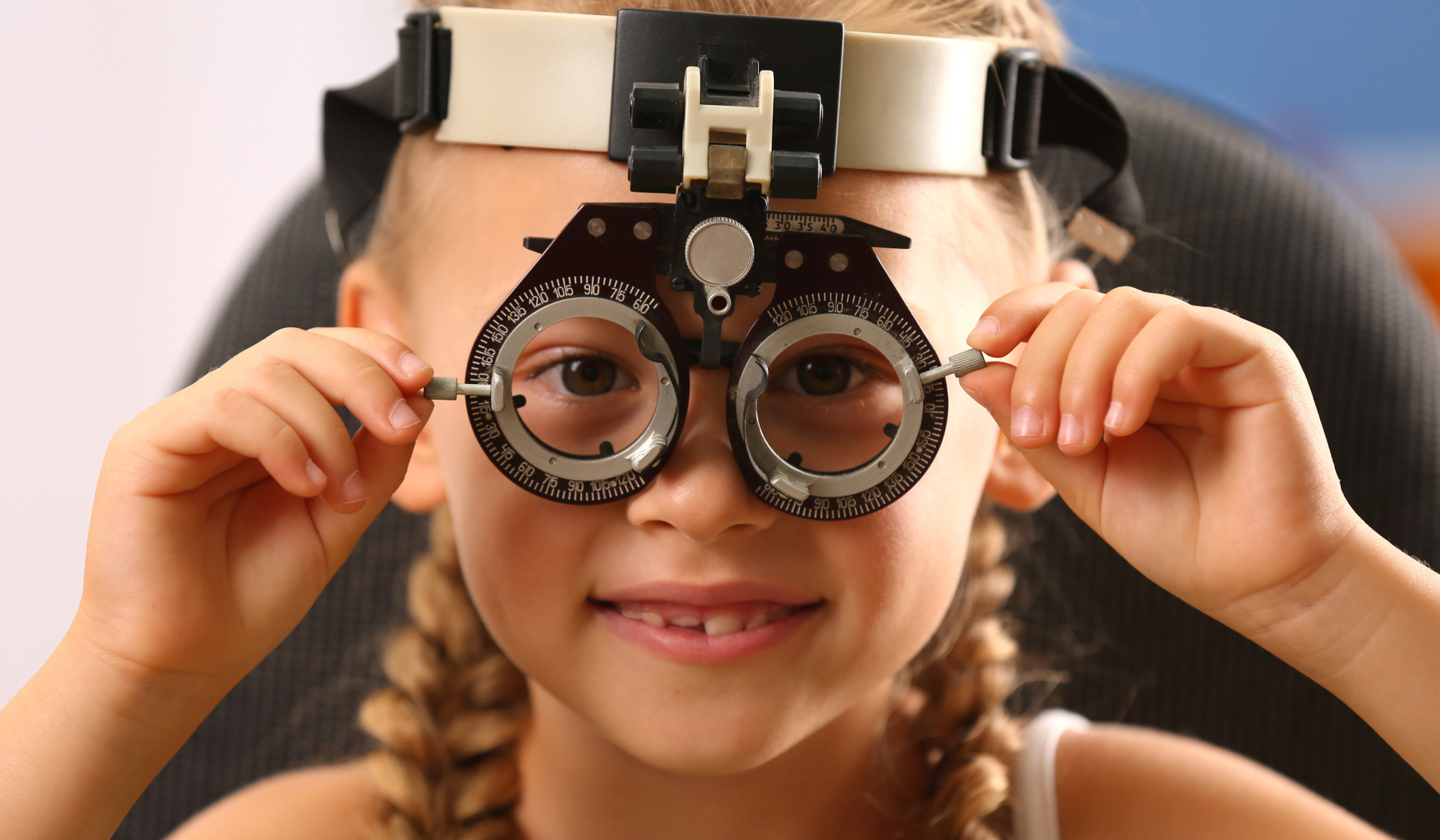
Specialized Pediatric Eye Care: Nurturing Young Eyes for a Brighter Future.

Orbit Oculoplasty

Transforming Eyes, Restoring Confidence: Specialized Oculoplasty Services.

Cornea

Revitalizing Vision, Restoring Clarity: Comprehensive Cornea Care at Its Finest.

Glaucoma

Preserving Vision, Ensuring Stability: Expert Glaucoma Care for Healthy Eyes.

Strabismus

strabismus is condition characterized by misalignment of the eyes.

Lasik Surgery

Advanced refractive surgery options to help you achieve clearer, sharper vision.

Cataract surgery

Cataract (or motiya) clouds the lens, hindering reading and driving.

Why Choose Our Medical Services

Expertise

Our team consists of highly skilled and experienced eye care professionals who are experts in their respective fields.

Advanced Technology

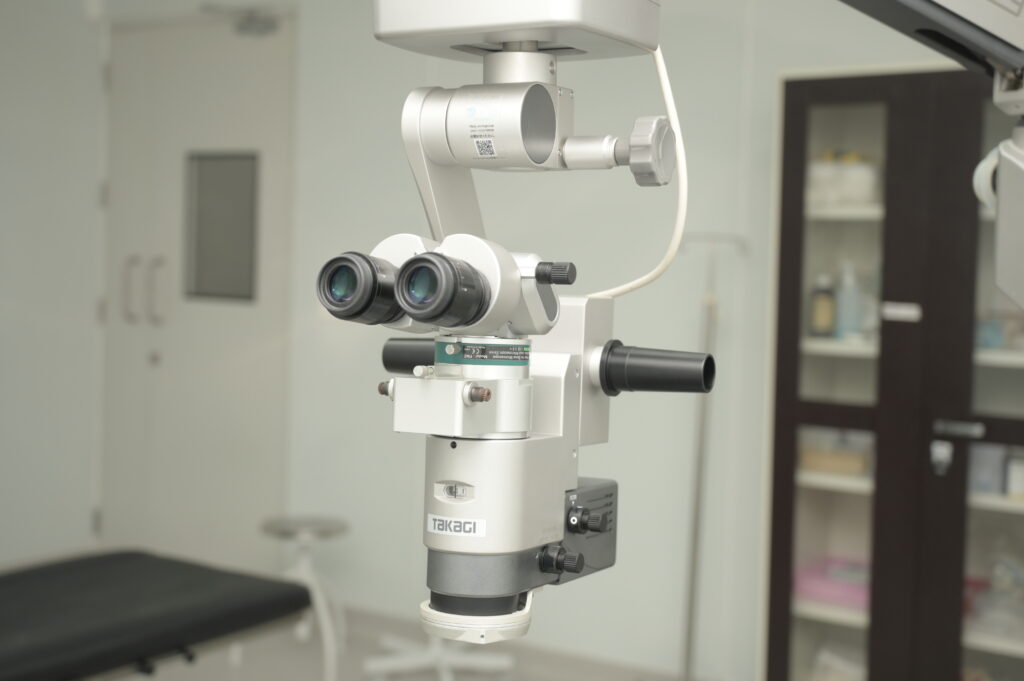
We embrace cutting-edge technology and equipment to ensure accurate diagnoses and effective treatments

Comprehensive Services

We offer a wide range of comprehensive eye care services including routine eye exams, vision correction procedures, e.t.c

Patient-Centered Care

At Shree Retina Care, your comfort, well-being, and satisfaction are our top priorities.

Strong Reputation

As the leading eye hospital in Chhattisgarh, we have earned a strong reputation as a trusted.

Trusted and Reliable

Our eye hospital has gained the trust and confidence of numerous patients.

Rest assured, we will go above and beyond to ensure you receive the utmost quality of care possible.

Call for Appointment

+91 78980 83460

Our Specialized Doctor's Team

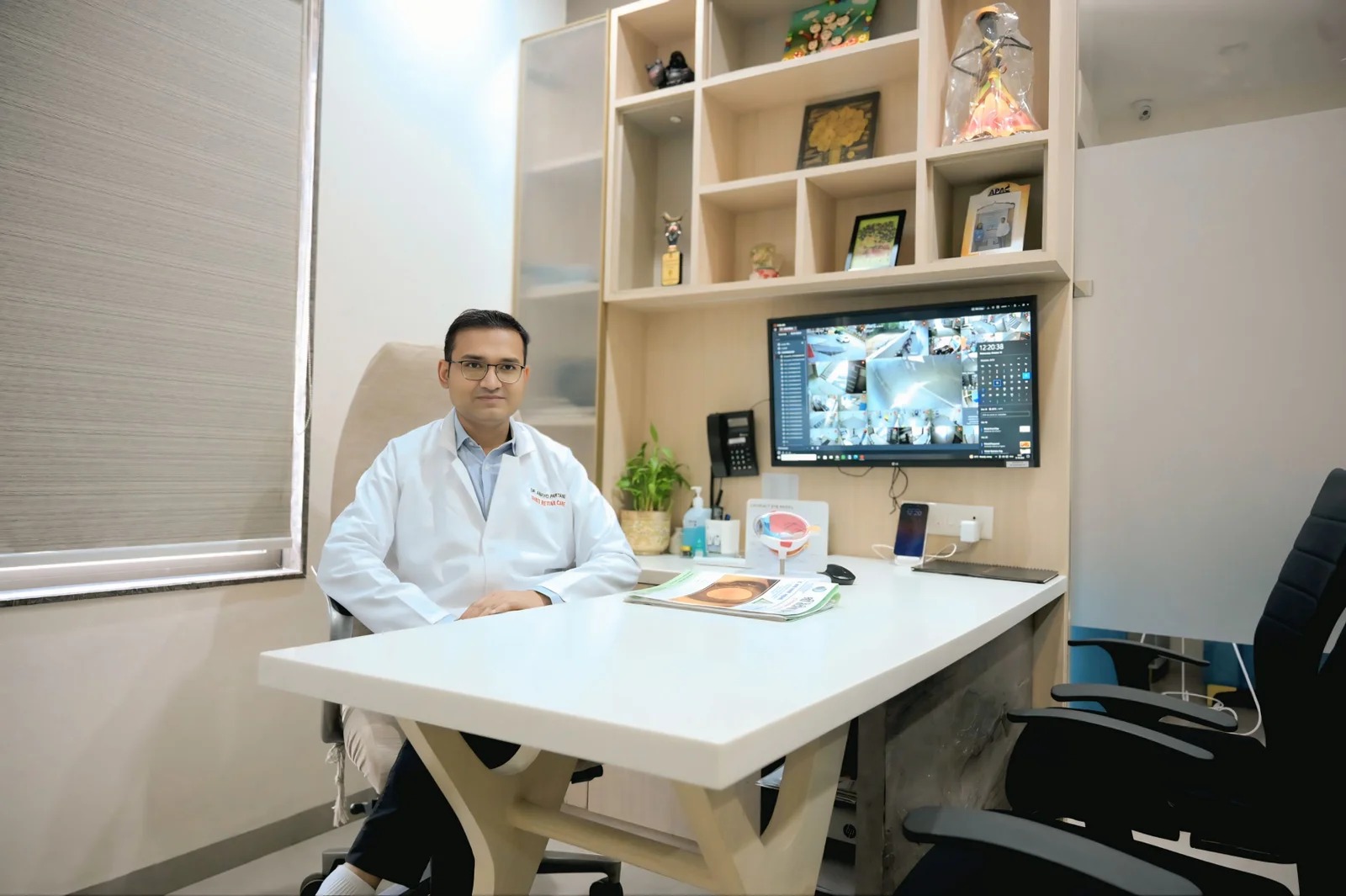
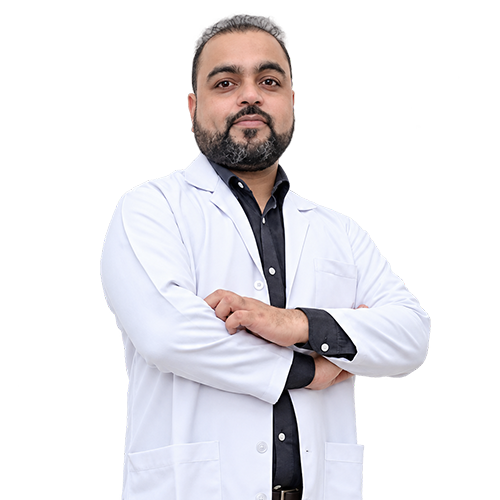
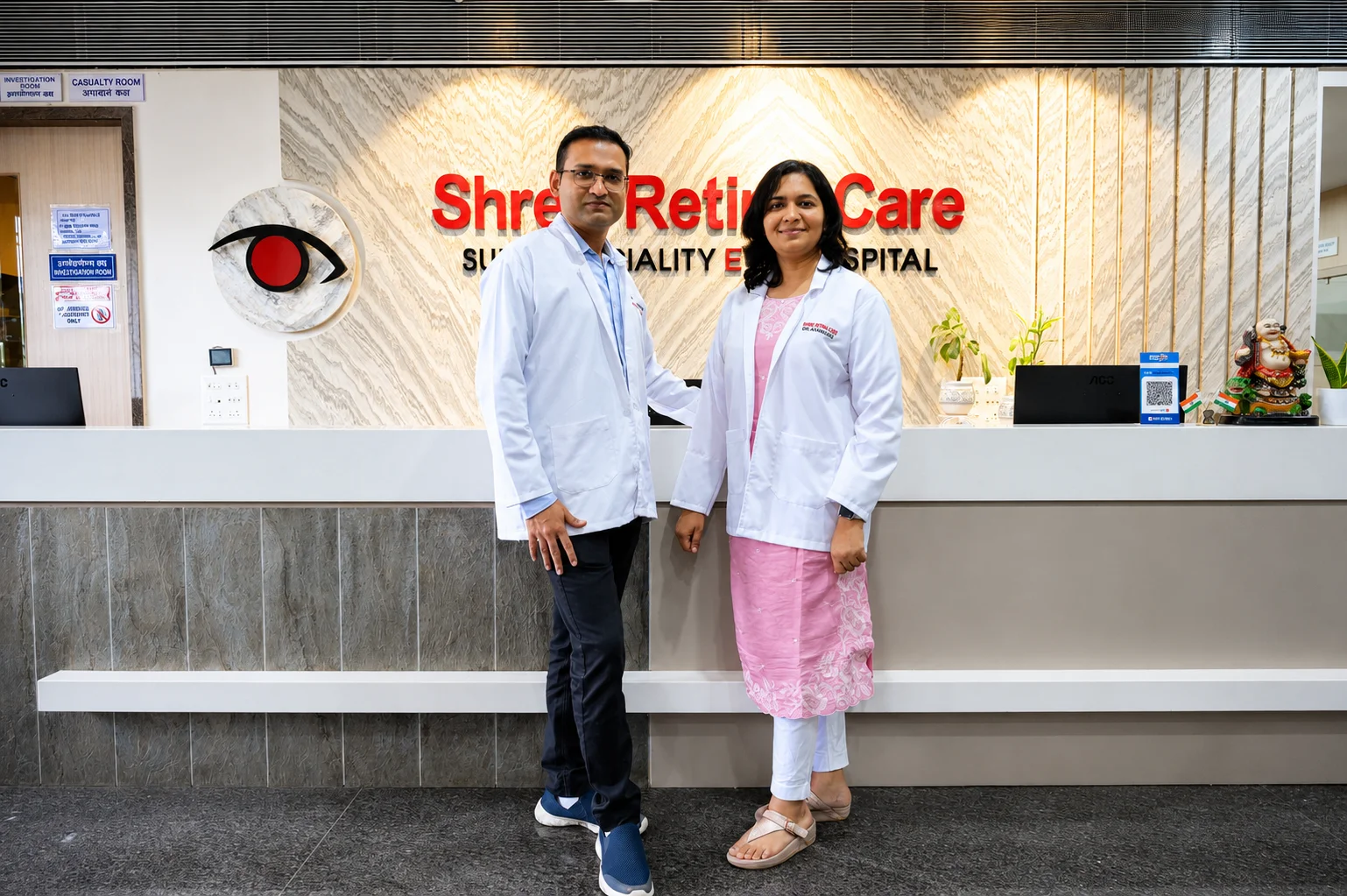
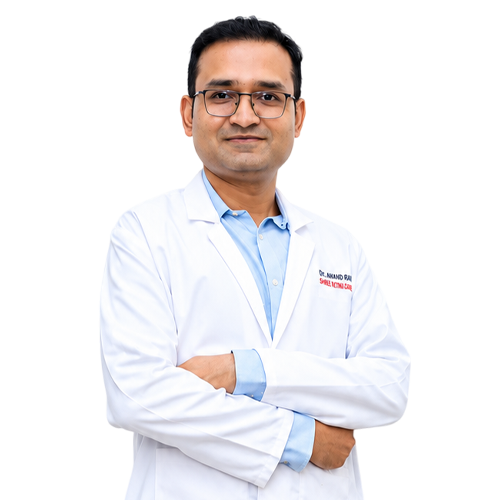
Born in a small village in the Amravati district, Dr. PARTANI completed his MBBS and MS Ophthal from GMC Nagpur. Achieving first place in Maharashtra state during his MS exams in 2012, he was awarded a GOLD medal by the education minister.

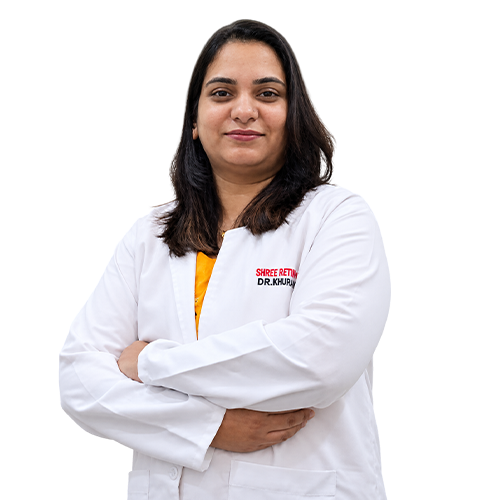
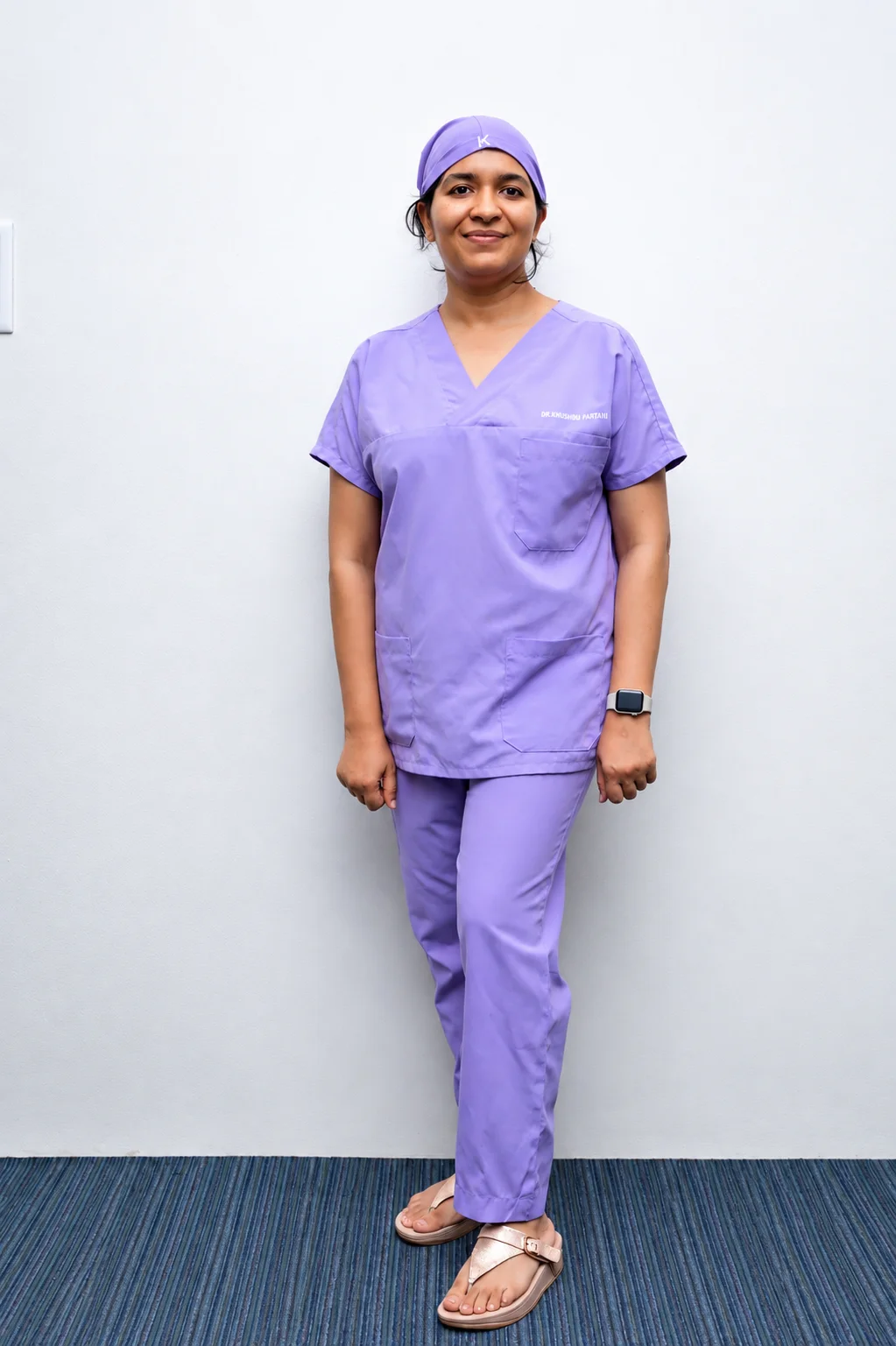
Hailing from the Raipur district, Dr. Khushbu Partani completed her MBBS and DOMS at GMC Nagpur. Following her post graduation, she pursued a three-year fellowship in cataract and paediatric ophthalmology, specializing in the management of complex eye surgeries. 

Dr. Akash Patel is a highly skilled and experienced eye surgeon specializing in advanced eye care and surgical procedures. He earned his medical degree at GMC (Thanjavur, Tamil Nadu) with gold medal in Ophthalmology. He pursued his post graduation and residency at SAIL, Rourkela. 

👁 Real Patient Results

Before & After Treatment Gallery

20+ real success stories of retina treatment at Shree Eye Retina. Use arrows to browse patients and drag the slider to compare.

Before Treatment After Treatment Before After
Patient 1Retina Treatment

Patient 1 of 1

← → Arrows se patient change karein  |  Slider ko drag karke compare karein

Frequently Asked Questions

Have Questions? We Have Answers

Find answers about insurance & cashless treatment, appointments, cataract, retina, LASIK, pediatric eye care and glaucoma at Shree Retina Care.

Yes. Shree Retina Care is empanelled with multiple insurance companies, TPAs, government organisations and health schemes. Cashless treatment is available for eligible patients, subject to policy terms and approval from the insurer/TPA. Patients should contact the Cashless Desk before treatment to confirm eligibility.
Shree Retina Care works with multiple insurers, TPAs and health schemes. Since network status and empanelment can change, patients should check the current Empanelment page or contact the Cashless Desk with their insurance/TPA details before treatment.
Cataract surgery may be covered under many health insurance policies, but the payable amount depends on the individual policy, waiting period, cataract sub-limit, chosen lens and other policy conditions. The Cashless Desk can help initiate verification with the insurer or TPA before surgery.
Coverage for a particular intraocular lens depends on the patient's insurance policy and the amount approved by the insurer/TPA. Some policies may cover only part of the treatment or may have cataract-specific limits. Patients should confirm the admissible amount before choosing a lens.
Cashless treatment means the insurer or TPA directly settles the approved admissible treatment amount with the hospital. It does not necessarily mean every expense will be covered. Co-payment, deductibles, policy sub-limits, non-payable items or expenses above the approved amount may still need to be paid by the patient.
For planned cashless treatment, the hospital sends the required medical and treatment details to the insurer/TPA for approval. The insurer then confirms whether the treatment is admissible and the amount that can be approved under the patient's policy. Final coverage is decided by the insurer/TPA according to the policy terms.
Patients are generally asked to carry their insurance or health card, valid photo ID, policy/TPA details and relevant medical records. Additional documents may be required depending on the insurer or scheme.
Reimbursement may be possible depending on the patient's insurance policy. In reimbursement cases, the patient generally pays the hospital first and then submits the required documents to the insurer/TPA. Patients should confirm the process with their insurer before treatment.
Share your insurance/TPA details with the Cashless Desk before surgery. Where applicable, a pre-authorization request can be initiated and the insurer/TPA will communicate the admissible amount according to the policy. The exact coverage is determined by the insurer, not by the hospital.
Appointments are recommended so that the team can guide you to the appropriate specialist and reduce waiting time. For walk-in availability, please contact the OPD team before visiting.
Patients can contact the OPD/appointment team or use the appointment option available on the website to schedule a consultation with the appropriate eye specialist.
The appropriate specialist depends on the symptoms and diagnosis. Shree Retina Care provides specialized care for retina, cataract, glaucoma, pediatric eye conditions, squint, cornea, refractive/LASIK and other eye problems. The appointment team can guide patients to the appropriate department.
Shree Retina Care provides consultation, diagnostics and treatment across major eye specialties including retina and vitreoretinal disease, cataract, refractive/LASIK procedures, pediatric ophthalmology, squint, glaucoma, cornea and other ophthalmic conditions.
Cataract surgery is generally considered when the cloudy natural lens starts affecting everyday activities such as reading, driving, recognizing faces or seeing clearly at night. The right timing depends on the patient's visual needs and eye examination.
Not necessarily. Modern cataract surgery usually does not require patients to wait until the cataract becomes fully mature. The decision is generally based on how much the cataract is affecting vision and daily life, along with the ophthalmologist's examination.
There is no single lens that is best for everyone. Lens selection depends on eye health, astigmatism, lifestyle, reading and distance-vision requirements, night-driving needs and expectations after surgery. The ophthalmologist will recommend suitable options after examining the eyes.
Cataract surgery is generally performed with anesthesia to keep the eye comfortable. Patients may notice pressure, light or mild discomfort, but significant pain is not expected. The surgeon will explain what to expect before and after the procedure.
Many patients resume light routine activities relatively soon, but recovery varies from person to person. Patients should follow the prescribed eye drops, precautions and follow-up schedule given by their surgeon.
The removed natural cataract does not grow back. However, some patients can later develop clouding of the capsule behind the artificial lens, called posterior capsule opacification. If it occurs, it can often be treated with a short laser procedure after evaluation.
Yes. Diabetic retinal damage can develop before a person notices significant vision changes. People with diabetes should have retinal examinations at intervals recommended by their ophthalmologist based on diabetes duration, control and eye findings.
A sudden increase in floaters, flashes of light or a curtain/shadow in vision can be associated with a retinal tear or retinal detachment and should be evaluated urgently by an eye specialist.
Retinal detachment is a serious eye condition that usually requires urgent specialist evaluation. Treatment depends on the type, location and extent of the detachment and may involve laser, cryotherapy or retinal surgery.
Yes. Depending on the stage, management may include better control of diabetes and associated health conditions, regular monitoring, injections, laser treatment or retinal surgery. Early detection can help reduce the risk of serious vision loss.
Some retinal conditions produce structural changes before major vision loss becomes noticeable. Tests such as OCT allow the specialist to examine retinal layers in detail and may help diagnose, monitor and plan treatment.
Eligibility depends on factors such as age, stability of spectacle power, corneal thickness and shape, eye health and overall medical history. A detailed refractive work-up is required before deciding whether LASIK or another vision-correction procedure is appropriate.
LASIK is an established vision-correction procedure, but no surgery is completely risk-free. Safety depends greatly on proper patient selection, pre-operative testing and choosing the technique appropriate for the patient's eyes.
LASIK can significantly reduce dependence on distance glasses in suitable patients, but it cannot prevent normal age-related changes in the eye. Some people may still require glasses later for certain activities or reading, particularly with increasing age.
Many patients return to routine activities relatively quickly, although recovery varies with the procedure and individual eye condition. The surgeon will advise regarding screen use, driving, exercise and other activities after surgery.
Yes. Depending on the eye examination, alternatives may include other laser procedures, implantable lenses or continued use of spectacles/contact lenses. The appropriate option can only be decided after a complete refractive evaluation.
Children should be evaluated whenever parents notice abnormal eye alignment, difficulty seeing, sitting unusually close to screens, frequent eye rubbing, headaches or poor visual behavior. Children with risk factors or suspected problems may require examination even at a very young age.
Yes. Treatment depends on the cause and may include glasses, treatment for lazy eye, exercises in selected cases or squint surgery. Early assessment is particularly important in children because vision is still developing.
Lazy eye, or amblyopia, is often more responsive to treatment during childhood while the visual system is developing. Treatment may include correction of spectacle power, patching or other management depending on the cause.
Children can unconsciously focus strongly during normal vision testing. Cycloplegic eye drops temporarily relax this focusing mechanism, helping the doctor obtain a more accurate measurement of spectacle power.
Yes. Many forms of glaucoma can progress gradually without obvious symptoms in the early stages. Regular eye examinations are especially important for people with risk factors such as increasing age, family history, diabetes or previously detected high eye pressure.
Vision already lost from glaucoma is generally not recoverable, which is why early diagnosis is important. Treatment aims to control the disease and reduce the risk of further damage.
Yes. Family history is an important risk factor for glaucoma. Close relatives should discuss appropriate screening intervals with an ophthalmologist.

Still Have Questions About Your Eye Treatment?

Our Cashless Desk & OPD team is ready to help you with insurance, appointments and specialist guidance.

Testimonials

Here is what our satisfied patients have to say about their exceptional experiences at our hospital.

Fellowship Opportunity

Cataract and medical retina

  • Duration – 12 Months
  • Eligibility – MS/DOMS/DNB in Ophthalmology
  • Stipend – Rs. 50000/month

Application procedure
You can apply for the position by mailing us your CV or by contacting us

Empanelment

Join our network of esteemed healthcare providers and be a part of our hospital’s trusted empanelment.

About Us

Shree Retina Care is a Super speciality eye care facility offering world class modern diagnostic and therapeutic services of high quality. 

Connect

© Shree retina care. All Rights Reserved

designed by Digital Dots