...

NABH Accredited Eye Hospital · Since 2016
Cornea care · Raipur

Cornea transplant in Raipur: understand the decision

A transplant is considered when damage or disease has made the cornea significantly cloudy, irregular or unable to function well. The right operation depends on which corneal layers are affected, what caused the problem and what an examination shows—not on a search result or a single symptom.

This guide explains the questions patients can discuss with a cornea specialist. Shree Retina Care has a published cornea-transplant information page; contact the clinic to confirm the current service pathway, doctor availability, donor-tissue arrangements and appointment details before travelling.

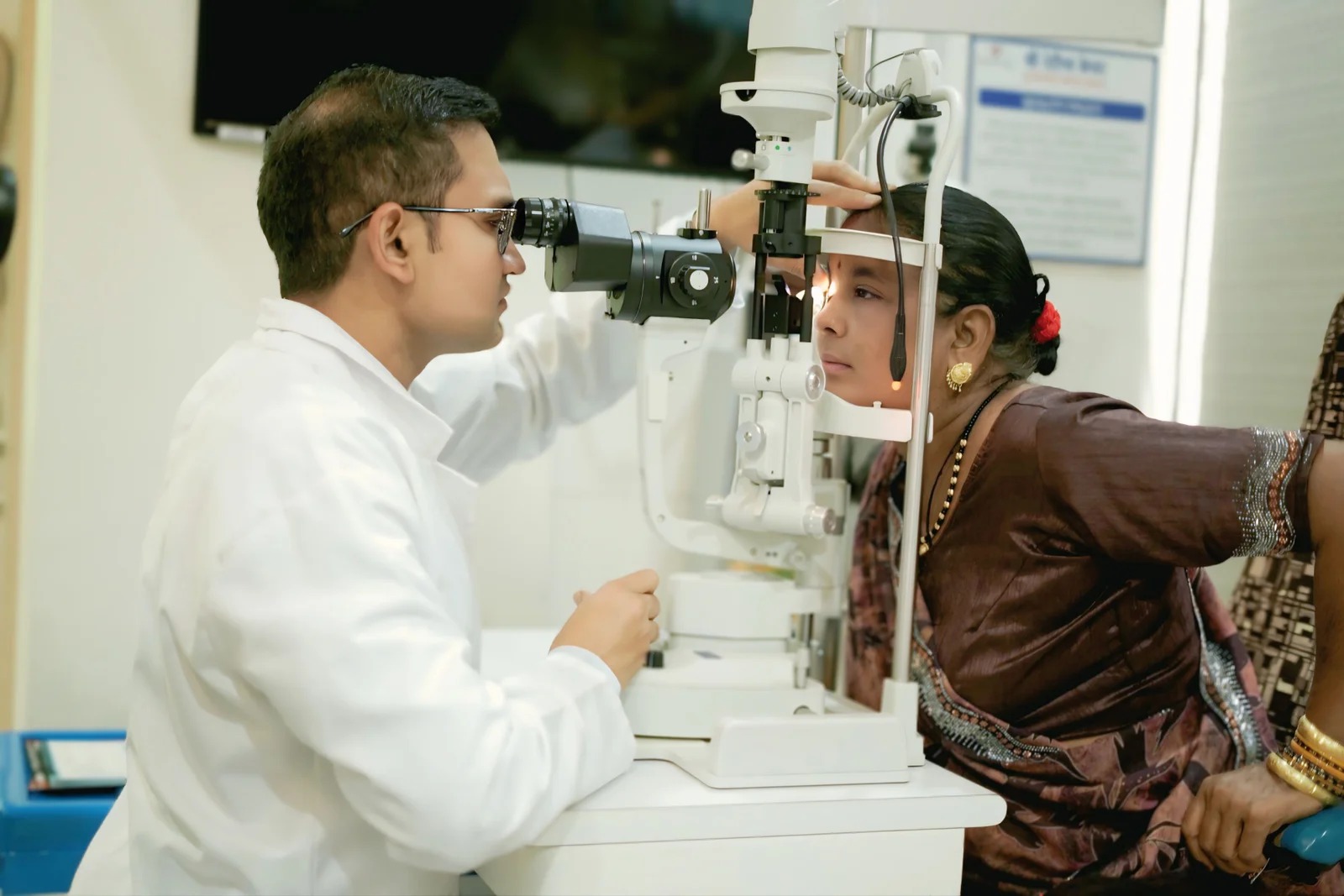
Patient discussing eye care with a clinician at Shree Retina Care
Start with the diagnosis

What the cornea does—and what a transplant changes

The cornea is the clear, curved surface at the front of the eye. It helps bend incoming light so the retina can form a focused image. A healthy cornea is transparent and has an orderly shape. Scarring, swelling, infection, injury, inherited conditions or progressive thinning can interfere with clarity and focusing. The effect can range from glare and distortion to substantial loss of useful vision, but the same symptom can also come from the lens, retina, optic nerve or another part of the eye.

A corneal transplant replaces a diseased part of the cornea with donor tissue. It is not a general “lens replacement,” and it does not automatically correct every glasses power or treat retinal disease. Some people need a transplant because the full corneal thickness is affected; others may need only a particular layer replaced. The examination and imaging help the ophthalmologist identify the layer involved and discuss whether surgery is appropriate now, later, or not at all.

The purpose of assessment is not simply to choose a procedure name. It is to understand the cause, the condition of the remaining cornea, the health of the rest of the eye, the likely visual limits and the follow-up commitment. Ask the doctor to explain the diagnosis in plain language and to show which finding supports the proposed plan.

Possible indications

When may a cornea transplant be discussed?

A specialist may discuss transplantation when the cornea is no longer clear or structurally sound enough for other approaches to meet the patient’s needs. The decision is individualized. A transplant is not recommended solely because a person has a particular diagnosis; severity, progression, symptoms, other eye disease and personal circumstances all matter.

Corneal scarring

Old infection, injury or inflammation can leave an opacity that blocks or scatters light. The doctor considers where the scar sits, how deep it is and whether it is stable. A scar at the front of the cornea may lead to a different discussion from damage affecting deeper layers.

Corneal swelling or endothelial failure

The inner cell layer helps keep the cornea clear. If it is not working adequately, swelling and haze can affect vision. In selected cases, replacing the affected layer may be discussed instead of replacing the whole cornea.

Keratoconus or ectasia

These conditions can cause progressive thinning and an irregular corneal shape. Many people are managed with glasses, specialty contact lenses or cross-linking when appropriate. A transplant may be considered only for advanced disease or significant scarring when the specialist believes it is suitable.

Other complex corneal disease

Congenital conditions, previous surgery, burns and rare disorders can affect different corneal layers. The history, previous records and examination help determine whether transplantation is relevant and which tissue should be considered.

Urgent symptoms: sudden loss of vision, severe pain, a red eye with light sensitivity, a new injury or rapidly worsening symptoms need prompt medical assessment. This web page cannot diagnose an emergency; do not wait for a routine appointment if symptoms are severe.
Procedure choices

Full-thickness and layer-specific transplant options

The word “cornea transplant” can describe several operations. The names below are general medical terms, not a promise that a particular technique is available or suitable at a specific hospital. Ask the operating surgeon which layer is affected, what technique is proposed and why it fits the examination.

Penetrating keratoplasty (PK)

PK replaces a circular, full-thickness portion of the cornea. It may be considered when disease or scarring affects the cornea through its depth. The new tissue is usually secured with sutures. Healing and refractive changes can take time; glasses or contact lenses may still be needed, and suture care and follow-up are important.

Deep anterior lamellar keratoplasty (DALK)

DALK replaces the front and middle corneal layers while retaining the patient’s healthy inner endothelial layer. It may be considered for selected conditions in which the endothelium remains functional. It is technically demanding, and the specialist must decide whether the layers and eye history support this option.

Endothelial keratoplasty

Procedures such as DSAEK or DMEK replace the diseased inner cell layer with donor tissue. They may be discussed for certain forms of endothelial dysfunction. The graft is often positioned with an air or gas bubble, so the surgeon may give specific posture and follow-up instructions.

Other approaches and timing

Some corneal problems can be managed without transplant, or with a different procedure. If the cornea is infected, inflamed or unstable, treatment may be needed before elective surgery. A second opinion can be reasonable when the proposed technique, benefit or risks are not clear.

Slit-lamp examination used to assess the front of the eyeDoctor reviewing a patient’s eye-care information
Assessment and planning

What happens before a transplant decision?

The consultation usually begins with the history: when symptoms started, whether they are changing, past infections or injuries, contact lens use, previous eye procedures, medicines and general health. Bring previous prescriptions, imaging, operative notes and discharge papers if available. These records may show how the cornea changed over time and help avoid repeating investigations unnecessarily.

The examination may include visual acuity, refraction, slit-lamp examination and pressure measurement. Depending on the diagnosis, corneal topography or tomography, pachymetry, endothelial cell assessment, retinal examination or other tests may be requested. Not every patient needs every test. If the cornea is very cloudy, some structures may be difficult to see directly, so the clinician may discuss additional imaging or limitations in what can be assessed.

Before consenting, ask: which layer is diseased; what is the exact procedure name; what alternatives exist; what is the goal for my eye; what vision can and cannot be expected; what are the risks in my case; who will provide the donor tissue; how are donor tissue and hospital charges itemized; and how often will I need follow-up? Ask who to call after hours if pain, redness, light sensitivity or sudden blur develops.

Donor corneas are supplied through regulated eye-bank systems. Availability, suitability, timing and charges may vary. A clinic should explain the process and local arrangements rather than promise a specific date before tissue and preoperative checks are confirmed. Do not stop prescribed medicines or use someone else’s eye drops while waiting unless your doctor directs you.

Some patients may be offered a staged approach, especially when more than one layer or another eye structure is involved. The sequence can affect planning, recovery and later optical correction. Ask the surgeon to write down the plan, the main reason for choosing it and what would cause that plan to change.

Recovery and long-term care

Recovery is measured in follow-up visits, not only days

Recovery varies by procedure, the condition of the eye, wound healing and any existing disease. A full-thickness graft may take a long period to stabilize, and sutures can influence the shape of the cornea. Layer-specific procedures have different aftercare. Do not compare one person’s schedule with another’s or stop drops because the eye feels comfortable.

Use prescribed drops exactly as instructed, wash hands before instilling them, protect the eye as advised and attend every review. Do not rub or press on the eye. Ask when it is safe to bathe normally, exercise, travel, return to work, drive or resume contact lenses. If the surgeon provides a shield, posture instruction or activity restriction, follow the written plan. Bring the drop bottles to follow-up so the team can verify the regimen.

Transplant rejection is an important warning to understand. New redness, pain, light sensitivity or a sudden decline in clarity can require urgent review. These symptoms do not prove rejection—other problems can cause them—but prompt assessment may matter. Keep the clinic’s emergency contact details accessible and never wait for the next routine appointment when warning signs appear.

Even after healing, some patients need spectacles, rigid contact lenses or another optical plan. A transplant treats a corneal problem; it does not guarantee perfect unaided vision, eliminate all glasses or prevent unrelated eye disease. Long-term monitoring helps the ophthalmologist assess graft health, eye pressure, surface comfort and visual function.

Possible complications include infection, bleeding, raised eye pressure, graft failure, rejection, wound problems, astigmatism and the need for further treatment. The likelihood varies by procedure and patient. Ask the surgeon which risks are most relevant to your diagnosis and how they are monitored. Report new symptoms instead of trying to self-treat with leftover medication.


Plan your consultation

Questions to take to a cornea specialist in Raipur

Write down your most important questions before the visit. If a family member helps you decide, bring them along, but make sure the patient’s own preferences and concerns are heard. Ask for a copy of test results and a written plan that names the procedure, expected follow-up and the clinic contact to use if symptoms change.

  1. What is the exact diagnosis, and which corneal layer is affected?
  2. Is a transplant necessary now, or can another treatment or monitoring be considered?
  3. Which transplant type is recommended, and why is it suitable for this eye?
  4. What result is realistic, and what other eye conditions may limit vision?
  5. What are the risks, likely follow-up schedule and signs that need urgent review?
  6. What will the estimate include: surgeon, donor tissue, investigations, medicines and follow-up?

Shree Retina Care’s published location is TV Tower Road, above Haldiram, opposite Rajiv Bhawan, Shankar Nagar, Raipur, Chhattisgarh 492007. The public website lists appointment contact +91 78980 83460 and OPD contact +91 93017 70138. Call before travelling to confirm the appropriate doctor, appointment slot, current service availability and any documents to bring. Location and contact details can change, so verify them before your visit.

This guide is educational and does not replace an eye examination or an individual surgical recommendation. A doctor who has examined you can explain the options for your eye.

Patient questions

Cornea transplant FAQs

Does a cornea transplant replace the whole eye?

No. It replaces all or selected layers of the cornea, the clear front surface of the eye. The lens, retina, optic nerve and other structures remain. The procedure cannot correct vision loss caused by unrelated disease in those structures.

Will a transplant restore perfect vision?

No surgeon can guarantee perfect vision. The result depends on the diagnosis, the rest of the eye, healing, graft clarity and the final corneal shape. Glasses, contact lenses or further treatment may still be needed. Ask the surgeon for a realistic goal for your own eye rather than relying on another patient’s result.

Is a transplant always needed for keratoconus?

No. Many people with keratoconus are managed with glasses, contact lenses, monitoring or cross-linking when clinically appropriate. A transplant is generally discussed for selected advanced cases or scarring when the specialist believes it is needed. An examination and corneal imaging are essential.

How long does it take to recover?

There is no single timetable. Recovery depends on the type of transplant and the eye’s healing. Vision can change over time, and follow-up may continue for months or longer. Follow the individual instructions from the operating team and ask before returning to driving, work or strenuous activity.

Can a cornea transplant be rejected?

Yes. Rejection is one possible complication. Warning symptoms can include redness, pain, light sensitivity or reduced vision. These symptoms need urgent assessment; they do not confirm rejection on their own. Use only the medicines prescribed for your eye and contact the treating team promptly.

Does Shree Retina Care perform every type of cornea transplant?

The clinic’s public page discusses cornea-transplant care, but the exact procedure available, surgeon schedule and donor-tissue arrangements should be confirmed directly. Ask the clinic whether your diagnosis can be assessed there and who would perform the proposed procedure.

What should I bring to the first appointment?

Bring prior eye prescriptions, scans, discharge summaries, a current medicine list, allergies and details of previous eye procedures or injuries. If you use contact lenses, tell the doctor which type and how often. The clinic may ask you to pause lens wear before imaging; do this only after receiving its instructions.

Where can I read more about cornea transplants?

Patient information is available from the American Academy of Ophthalmology and the US National Eye Institute. These sources explain general care; your ophthalmologist should interpret them in relation to your examination.

Further reading and review note

Sources: American Academy of Ophthalmology — About Corneal Transplantation; AAO — What to Expect When You Have a Corneal Transplant; National Eye Institute — Corneal Transplants. Review all clinical wording with a Shree Retina Care ophthalmologist before publishing. Page prepared 23 October 2026.

Contact the clinic
Seraphinite AcceleratorOptimized by Seraphinite Accelerator
Turns on site high speed to be attractive for people and search engines.