







Cornea specialist in Raipur for the clear front window of the eye
Find guidance on seeing a cornea specialist in Raipur for pain, redness, ulcers, keratoconus, scars, contact-lens problems and corneal treatment.
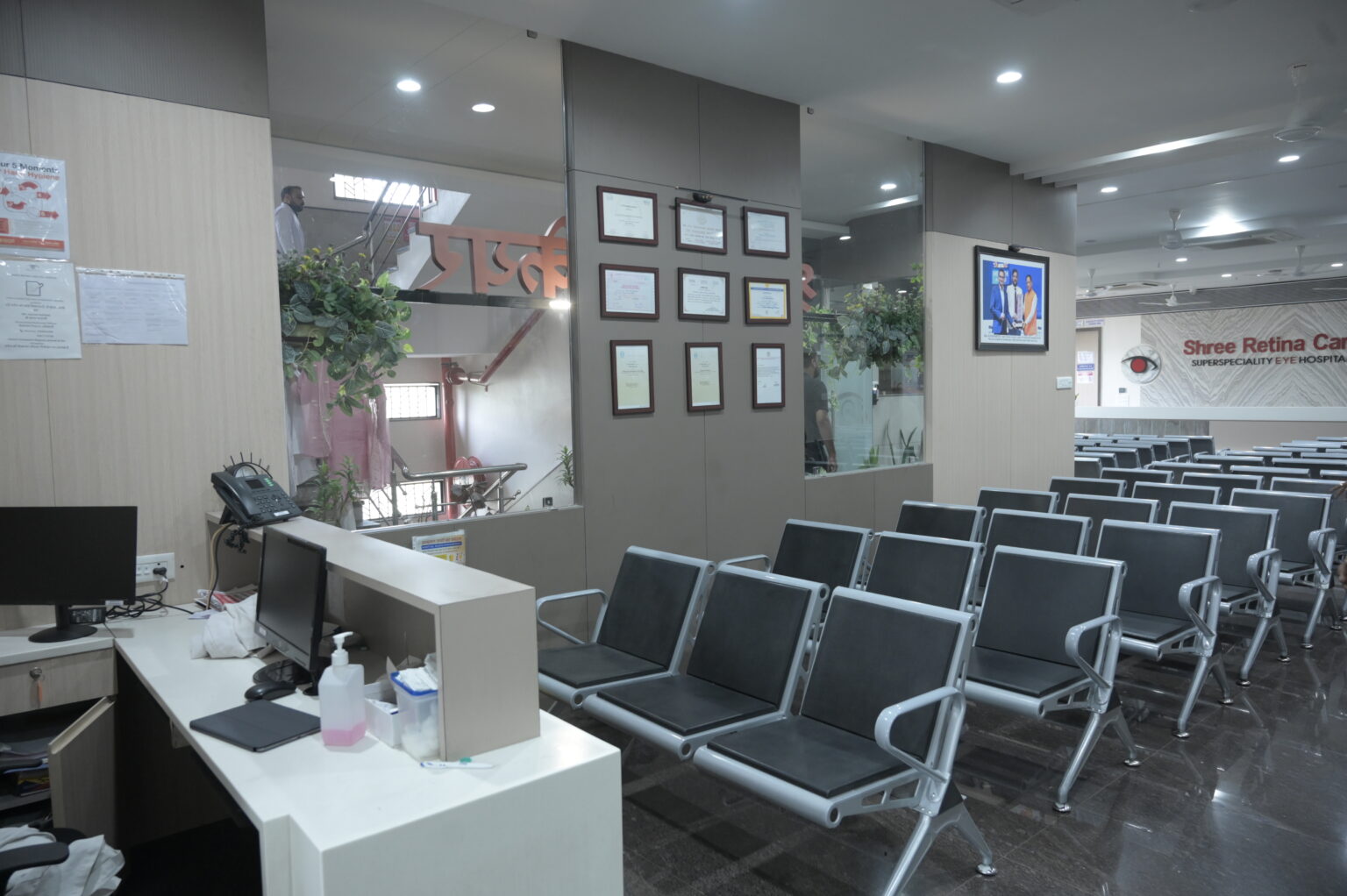
A search for cornea specialist in Raipur is usually the beginning of a patient decision, not the end of it. This page is designed to help you prepare for a focused consultation at Shree Retina Care in Raipur, understand the questions that matter and recognise when a symptom should not wait.
Surface matters
Tear film, eyelids and cornea work together to keep vision clear and comfortable.
Act on pain
A painful red eye, injury or light sensitivity should not be self-treated for long.
Protect the cornea
Contact-lens hygiene and prompt care can reduce avoidable complications.
What the cornea does
Patients searching for cornea specialist in Raipur are often trying to connect a worrying symptom with a safe next step. In this context, the transparent front surface that bends light and protects the eye is not a diagnosis by itself. A clinician needs to understand when it started, whether one or both eyes are affected, what activities have changed and whether there are medical conditions or previous procedures that alter the risk. That conversation prevents a generic internet description from becoming a personal treatment decision.
At Shree Retina Care, the useful question is not only whether a treatment is available, but whether it fits the finding in this particular eye. Small changes in curvature, clarity, moisture or surface health can create significant blur or discomfort. The examination may include vision testing, a microscope examination, pressure measurement, dilation or imaging when those tests answer a clinical question. Results should be explained in everyday language, along with urgency, alternatives, limitations and the next review.
A practical plan for what the cornea does should include what to do today, what to watch at home and when to return. Write down the diagnosis, the name and timing of any drops or procedure, the expected recovery pattern and the symptoms that need prompt contact. Do not change medicines, delay an urgent review or choose a procedure only because a page promises a fast, painless or permanent result. Individual care must be confirmed by the treating ophthalmologist.
Useful questions for this visit
- Tell the doctor how the transparent front surface that bends light and protects the eye is affecting daily life.
- Bring old reports, prescriptions and the names of current medicines.
- Ask what the finding means for one eye, both eyes and future follow-up.
- Confirm when to return and which change related to the transparent front surface that bends light and protects the eye needs prompt advice.
Symptoms that need cornea assessment
Patients searching for cornea specialist in Raipur are often trying to connect a worrying symptom with a safe next step. In this context, pain, redness, light sensitivity, foreign-body sensation, watering, hazy vision or a visible spot is not a diagnosis by itself. A clinician needs to understand when it started, whether one or both eyes are affected, what activities have changed and whether there are medical conditions or previous procedures that alter the risk. That conversation prevents a generic internet description from becoming a personal treatment decision.
At Shree Retina Care, the useful question is not only whether a treatment is available, but whether it fits the finding in this particular eye. A corneal ulcer, abrasion, infection, dry eye or inflammation can look similar to a patient but needs different treatment. The examination may include vision testing, a microscope examination, pressure measurement, dilation or imaging when those tests answer a clinical question. Results should be explained in everyday language, along with urgency, alternatives, limitations and the next review.
A practical plan for symptoms that need cornea assessment should include what to do today, what to watch at home and when to return. Write down the diagnosis, the name and timing of any drops or procedure, the expected recovery pattern and the symptoms that need prompt contact. Do not change medicines, delay an urgent review or choose a procedure only because a page promises a fast, painless or permanent result. Individual care must be confirmed by the treating ophthalmologist.
Useful questions for this visit
- Tell the doctor how pain, redness, light sensitivity, foreign-body sensation, watering, hazy vision or a visible spot is affecting daily life.
- Bring old reports, prescriptions and the names of current medicines.
- Ask what the finding means for one eye, both eyes and future follow-up.
- Confirm when to return and which change related to pain, redness, light sensitivity, foreign-body sensation, watering, hazy vision or a visible spot needs prompt advice.
Cornea conditions seen in practice
Patients searching for cornea specialist in Raipur are often trying to connect a worrying symptom with a safe next step. In this context, dry eye, keratoconus, corneal scar, ulcer, dystrophy, injury and contact-lens-related problems is not a diagnosis by itself. A clinician needs to understand when it started, whether one or both eyes are affected, what activities have changed and whether there are medical conditions or previous procedures that alter the risk. That conversation prevents a generic internet description from becoming a personal treatment decision.
At Shree Retina Care, the useful question is not only whether a treatment is available, but whether it fits the finding in this particular eye. The clinician considers the corneal shape, thickness, surface, nerves, tear film and the rest of the eye. The examination may include vision testing, a microscope examination, pressure measurement, dilation or imaging when those tests answer a clinical question. Results should be explained in everyday language, along with urgency, alternatives, limitations and the next review.
A practical plan for cornea conditions seen in practice should include what to do today, what to watch at home and when to return. Write down the diagnosis, the name and timing of any drops or procedure, the expected recovery pattern and the symptoms that need prompt contact. Do not change medicines, delay an urgent review or choose a procedure only because a page promises a fast, painless or permanent result. Individual care must be confirmed by the treating ophthalmologist.
Useful questions for this visit
- Tell the doctor how dry eye, keratoconus, corneal scar, ulcer, dystrophy, injury and contact-lens-related problems is affecting daily life.
- Bring old reports, prescriptions and the names of current medicines.
- Ask what the finding means for one eye, both eyes and future follow-up.
- Confirm when to return and which change related to dry eye, keratoconus, corneal scar, ulcer, dystrophy, injury and contact-lens-related problems needs prompt advice.
Contact lenses and corneal safety
Patients searching for cornea specialist in Raipur are often trying to connect a worrying symptom with a safe next step. In this context, wear time, cleaning, storage, sleeping in lenses and replacing the case is not a diagnosis by itself. A clinician needs to understand when it started, whether one or both eyes are affected, what activities have changed and whether there are medical conditions or previous procedures that alter the risk. That conversation prevents a generic internet description from becoming a personal treatment decision.
At Shree Retina Care, the useful question is not only whether a treatment is available, but whether it fits the finding in this particular eye. Remove lenses and seek advice for pain, redness, discharge or blurred vision rather than adding random drops. The examination may include vision testing, a microscope examination, pressure measurement, dilation or imaging when those tests answer a clinical question. Results should be explained in everyday language, along with urgency, alternatives, limitations and the next review.
A practical plan for contact lenses and corneal safety should include what to do today, what to watch at home and when to return. Write down the diagnosis, the name and timing of any drops or procedure, the expected recovery pattern and the symptoms that need prompt contact. Do not change medicines, delay an urgent review or choose a procedure only because a page promises a fast, painless or permanent result. Individual care must be confirmed by the treating ophthalmologist.
Useful questions for this visit
- Tell the doctor how wear time, cleaning, storage, sleeping in lenses and replacing the case is affecting daily life.
- Bring old reports, prescriptions and the names of current medicines.
- Ask what the finding means for one eye, both eyes and future follow-up.
- Confirm when to return and which change related to wear time, cleaning, storage, sleeping in lenses and replacing the case needs prompt advice.
Corneal tests and imaging
Patients searching for cornea specialist in Raipur are often trying to connect a worrying symptom with a safe next step. In this context, slit-lamp examination, staining, topography, pachymetry or other tests when they answer a specific question is not a diagnosis by itself. A clinician needs to understand when it started, whether one or both eyes are affected, what activities have changed and whether there are medical conditions or previous procedures that alter the risk. That conversation prevents a generic internet description from becoming a personal treatment decision.
At Shree Retina Care, the useful question is not only whether a treatment is available, but whether it fits the finding in this particular eye. Not every patient needs every test, and a report should be explained in relation to the symptoms. The examination may include vision testing, a microscope examination, pressure measurement, dilation or imaging when those tests answer a clinical question. Results should be explained in everyday language, along with urgency, alternatives, limitations and the next review.
A practical plan for corneal tests and imaging should include what to do today, what to watch at home and when to return. Write down the diagnosis, the name and timing of any drops or procedure, the expected recovery pattern and the symptoms that need prompt contact. Do not change medicines, delay an urgent review or choose a procedure only because a page promises a fast, painless or permanent result. Individual care must be confirmed by the treating ophthalmologist.
Useful questions for this visit
- Tell the doctor how slit-lamp examination, staining, topography, pachymetry or other tests when they answer a specific question is affecting daily life.
- Bring old reports, prescriptions and the names of current medicines.
- Ask what the finding means for one eye, both eyes and future follow-up.
- Confirm when to return and which change related to slit-lamp examination, staining, topography, pachymetry or other tests when they answer a specific question needs prompt advice.
Cornea treatment options
Patients searching for cornea specialist in Raipur are often trying to connect a worrying symptom with a safe next step. In this context, lubrication, infection treatment, allergy or inflammation care, specialty lenses, strengthening procedures or surgery is not a diagnosis by itself. A clinician needs to understand when it started, whether one or both eyes are affected, what activities have changed and whether there are medical conditions or previous procedures that alter the risk. That conversation prevents a generic internet description from becoming a personal treatment decision.
At Shree Retina Care, the useful question is not only whether a treatment is available, but whether it fits the finding in this particular eye. Treatment depends on cause and stage; steroid or antibiotic drops should not be started without clinical advice. The examination may include vision testing, a microscope examination, pressure measurement, dilation or imaging when those tests answer a clinical question. Results should be explained in everyday language, along with urgency, alternatives, limitations and the next review.
A practical plan for cornea treatment options should include what to do today, what to watch at home and when to return. Write down the diagnosis, the name and timing of any drops or procedure, the expected recovery pattern and the symptoms that need prompt contact. Do not change medicines, delay an urgent review or choose a procedure only because a page promises a fast, painless or permanent result. Individual care must be confirmed by the treating ophthalmologist.
Useful questions for this visit
- Tell the doctor how lubrication, infection treatment, allergy or inflammation care, specialty lenses, strengthening procedures or surgery is affecting daily life.
- Bring old reports, prescriptions and the names of current medicines.
- Ask what the finding means for one eye, both eyes and future follow-up.
- Confirm when to return and which change related to lubrication, infection treatment, allergy or inflammation care, specialty lenses, strengthening procedures or surgery needs prompt advice.
Corneal ulcer and injury warning signs
Patients searching for cornea specialist in Raipur are often trying to connect a worrying symptom with a safe next step. In this context, rapidly increasing pain, marked redness, discharge, light sensitivity or a sudden fall in vision is not a diagnosis by itself. A clinician needs to understand when it started, whether one or both eyes are affected, what activities have changed and whether there are medical conditions or previous procedures that alter the risk. That conversation prevents a generic internet description from becoming a personal treatment decision.
At Shree Retina Care, the useful question is not only whether a treatment is available, but whether it fits the finding in this particular eye. These can be urgent, particularly for contact-lens users, and need prompt guidance. The examination may include vision testing, a microscope examination, pressure measurement, dilation or imaging when those tests answer a clinical question. Results should be explained in everyday language, along with urgency, alternatives, limitations and the next review.
A practical plan for corneal ulcer and injury warning signs should include what to do today, what to watch at home and when to return. Write down the diagnosis, the name and timing of any drops or procedure, the expected recovery pattern and the symptoms that need prompt contact. Do not change medicines, delay an urgent review or choose a procedure only because a page promises a fast, painless or permanent result. Individual care must be confirmed by the treating ophthalmologist.
Useful questions for this visit
- Tell the doctor how rapidly increasing pain, marked redness, discharge, light sensitivity or a sudden fall in vision is affecting daily life.
- Bring old reports, prescriptions and the names of current medicines.
- Ask what the finding means for one eye, both eyes and future follow-up.
- Confirm when to return and which change related to rapidly increasing pain, marked redness, discharge, light sensitivity or a sudden fall in vision needs prompt advice.
Preparing for a cornea consultation
Patients searching for cornea specialist in Raipur are often trying to connect a worrying symptom with a safe next step. In this context, contact-lens history, old prescriptions, previous drops, allergy history and the exact symptom timeline is not a diagnosis by itself. A clinician needs to understand when it started, whether one or both eyes are affected, what activities have changed and whether there are medical conditions or previous procedures that alter the risk. That conversation prevents a generic internet description from becoming a personal treatment decision.
At Shree Retina Care, the useful question is not only whether a treatment is available, but whether it fits the finding in this particular eye. Bring the product names of any drops and do not wear lenses immediately before testing unless the clinic tells you otherwise. The examination may include vision testing, a microscope examination, pressure measurement, dilation or imaging when those tests answer a clinical question. Results should be explained in everyday language, along with urgency, alternatives, limitations and the next review.
A practical plan for preparing for a cornea consultation should include what to do today, what to watch at home and when to return. Write down the diagnosis, the name and timing of any drops or procedure, the expected recovery pattern and the symptoms that need prompt contact. Do not change medicines, delay an urgent review or choose a procedure only because a page promises a fast, painless or permanent result. Individual care must be confirmed by the treating ophthalmologist.
Useful questions for this visit
- Tell the doctor how contact-lens history, old prescriptions, previous drops, allergy history and the exact symptom timeline is affecting daily life.
- Bring old reports, prescriptions and the names of current medicines.
- Ask what the finding means for one eye, both eyes and future follow-up.
- Confirm when to return and which change related to contact-lens history, old prescriptions, previous drops, allergy history and the exact symptom timeline needs prompt advice.
Frequently asked questions
When should I see a cornea specialist?
See one for persistent blur, pain, redness, light sensitivity, recurrent surface disease, keratoconus, a scar, an ulcer or a contact-lens complication.
Can a corneal ulcer heal on its own?
A corneal ulcer can threaten vision and should be assessed promptly. Do not rely on home treatment or use someone else's drops.
What is cornea treatment cost in Raipur?
It depends on the diagnosis, tests, medicines, specialty lenses or procedure and follow-up. The clinic can guide you after evaluation.
Is keratoconus treatable?
Management depends on shape, thickness, progression and vision. Options may include observation, specialty lenses, strengthening or other treatment.
Can contact lenses damage the cornea?
Poor hygiene, sleeping in lenses, over-wearing or using damaged lenses can increase risk. Follow the prescribed wear and cleaning schedule.
Are red eyes always a cornea problem?
No. Redness can come from the surface, eyelids, infection, inflammation or deeper disease. Examination identifies the cause.
Take the next step with a clear plan
Share the symptom, diagnosis or report that brought you here. The Shree Retina Care team can guide you to the appropriate appointment desk and explain what to carry for a consultation in Raipur.
