







Squint treatment in Raipur with an alignment plan for every age
Learn about squint treatment in Raipur, childhood strabismus, lazy eye, glasses, exercises, surgery, recovery and questions for a specialist.
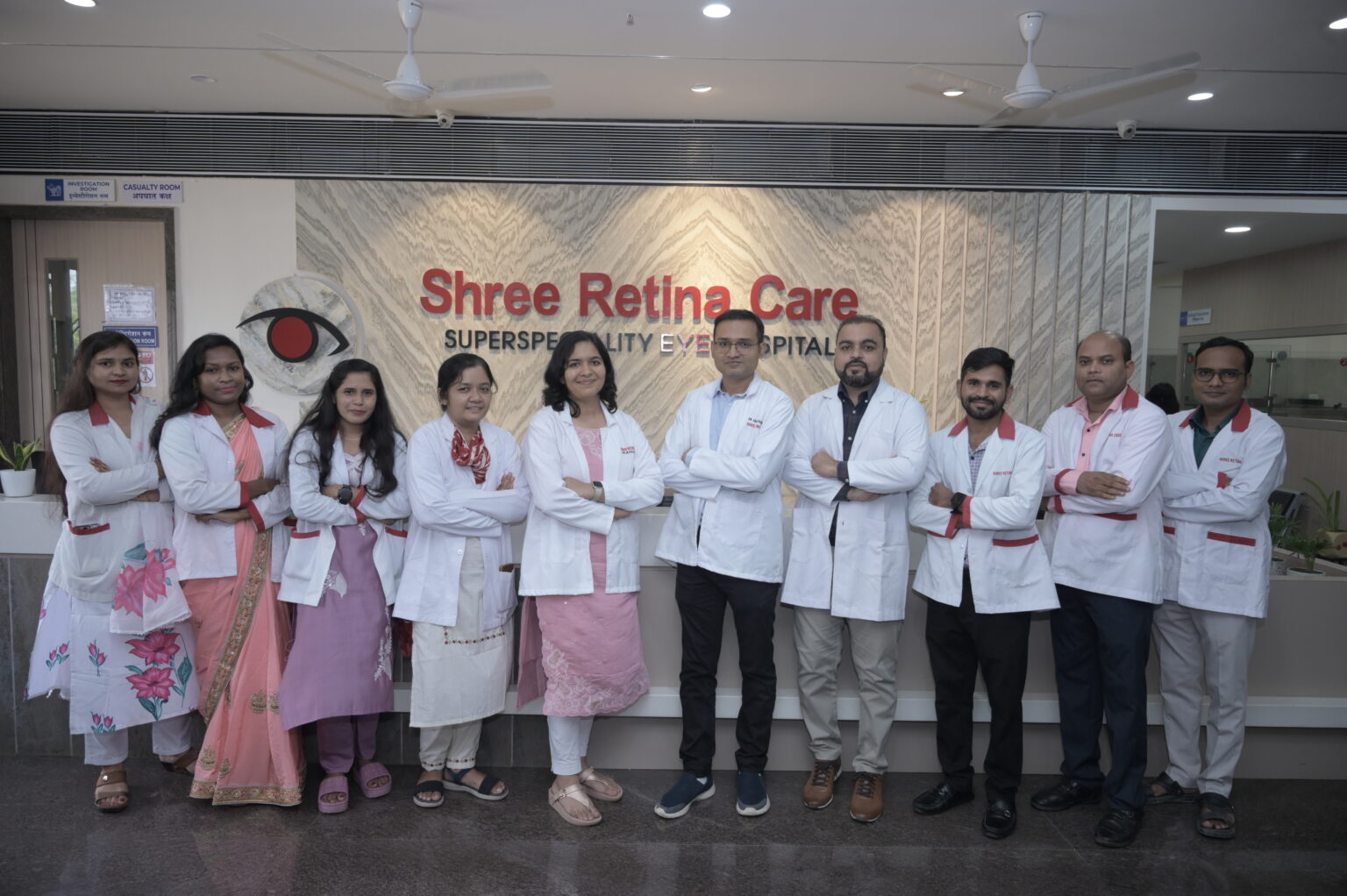
A search for squint treatment in Raipur is usually the beginning of a patient decision, not the end of it. This page is designed to help you prepare for a focused consultation at Shree Retina Care in Raipur, understand the questions that matter and recognise when a symptom should not wait.
Alignment is measurable
The doctor studies eye position, movement, focusing and vision in each eye.
Treat vision too
A squint may be linked with unequal vision or amblyopia, not only appearance.
Expect a staged plan
Glasses, observation, exercises or surgery may each have a role.
What squint or strabismus means
Patients searching for squint treatment in Raipur are often trying to connect a worrying symptom with a safe next step. In this context, the two eyes not pointing together consistently when looking at an object is not a diagnosis by itself. A clinician needs to understand when it started, whether one or both eyes are affected, what activities have changed and whether there are medical conditions or previous procedures that alter the risk. That conversation prevents a generic internet description from becoming a personal treatment decision.
At Shree Retina Care, the useful question is not only whether a treatment is available, but whether it fits the finding in this particular eye. It may be inward, outward, upward, downward or subtle and intermittent. The examination may include vision testing, a microscope examination, pressure measurement, dilation or imaging when those tests answer a clinical question. Results should be explained in everyday language, along with urgency, alternatives, limitations and the next review.
A practical plan for what squint or strabismus means should include what to do today, what to watch at home and when to return. Write down the diagnosis, the name and timing of any drops or procedure, the expected recovery pattern and the symptoms that need prompt contact. Do not change medicines, delay an urgent review or choose a procedure only because a page promises a fast, painless or permanent result. Individual care must be confirmed by the treating ophthalmologist.
Useful questions for this visit
- Tell the doctor how the two eyes not pointing together consistently when looking at an object is affecting daily life.
- Bring old reports, prescriptions and the names of current medicines.
- Ask what the finding means for one eye, both eyes and future follow-up.
- Confirm when to return and which change related to the two eyes not pointing together consistently when looking at an object needs prompt advice.
Squint signs in children and adults
Patients searching for squint treatment in Raipur are often trying to connect a worrying symptom with a safe next step. In this context, eye drifting, closing one eye, head tilting, double vision, poor depth perception or tired eyes is not a diagnosis by itself. A clinician needs to understand when it started, whether one or both eyes are affected, what activities have changed and whether there are medical conditions or previous procedures that alter the risk. That conversation prevents a generic internet description from becoming a personal treatment decision.
At Shree Retina Care, the useful question is not only whether a treatment is available, but whether it fits the finding in this particular eye. A child may not report double vision because the brain adapts, so behaviour and photos can provide useful history. The examination may include vision testing, a microscope examination, pressure measurement, dilation or imaging when those tests answer a clinical question. Results should be explained in everyday language, along with urgency, alternatives, limitations and the next review.
A practical plan for squint signs in children and adults should include what to do today, what to watch at home and when to return. Write down the diagnosis, the name and timing of any drops or procedure, the expected recovery pattern and the symptoms that need prompt contact. Do not change medicines, delay an urgent review or choose a procedure only because a page promises a fast, painless or permanent result. Individual care must be confirmed by the treating ophthalmologist.
Useful questions for this visit
- Tell the doctor how eye drifting, closing one eye, head tilting, double vision, poor depth perception or tired eyes is affecting daily life.
- Bring old reports, prescriptions and the names of current medicines.
- Ask what the finding means for one eye, both eyes and future follow-up.
- Confirm when to return and which change related to eye drifting, closing one eye, head tilting, double vision, poor depth perception or tired eyes needs prompt advice.
How a squint specialist evaluates alignment
Patients searching for squint treatment in Raipur are often trying to connect a worrying symptom with a safe next step. In this context, vision in each eye, refraction, eye movements, head posture and the pattern at different distances is not a diagnosis by itself. A clinician needs to understand when it started, whether one or both eyes are affected, what activities have changed and whether there are medical conditions or previous procedures that alter the risk. That conversation prevents a generic internet description from becoming a personal treatment decision.
At Shree Retina Care, the useful question is not only whether a treatment is available, but whether it fits the finding in this particular eye. The assessment may include dilating drops or repeat measurements when cooperation, age or the prescription makes it necessary. The examination may include vision testing, a microscope examination, pressure measurement, dilation or imaging when those tests answer a clinical question. Results should be explained in everyday language, along with urgency, alternatives, limitations and the next review.
A practical plan for how a squint specialist evaluates alignment should include what to do today, what to watch at home and when to return. Write down the diagnosis, the name and timing of any drops or procedure, the expected recovery pattern and the symptoms that need prompt contact. Do not change medicines, delay an urgent review or choose a procedure only because a page promises a fast, painless or permanent result. Individual care must be confirmed by the treating ophthalmologist.
Useful questions for this visit
- Tell the doctor how vision in each eye, refraction, eye movements, head posture and the pattern at different distances is affecting daily life.
- Bring old reports, prescriptions and the names of current medicines.
- Ask what the finding means for one eye, both eyes and future follow-up.
- Confirm when to return and which change related to vision in each eye, refraction, eye movements, head posture and the pattern at different distances needs prompt advice.
Squint, unequal power and lazy eye
Patients searching for squint treatment in Raipur are often trying to connect a worrying symptom with a safe next step. In this context, the relationship between eye alignment and reduced visual development in one eye is not a diagnosis by itself. A clinician needs to understand when it started, whether one or both eyes are affected, what activities have changed and whether there are medical conditions or previous procedures that alter the risk. That conversation prevents a generic internet description from becoming a personal treatment decision.
At Shree Retina Care, the useful question is not only whether a treatment is available, but whether it fits the finding in this particular eye. Treating the prescription or amblyopia may be important even when the eyes look straighter. The examination may include vision testing, a microscope examination, pressure measurement, dilation or imaging when those tests answer a clinical question. Results should be explained in everyday language, along with urgency, alternatives, limitations and the next review.
A practical plan for squint, unequal power and lazy eye should include what to do today, what to watch at home and when to return. Write down the diagnosis, the name and timing of any drops or procedure, the expected recovery pattern and the symptoms that need prompt contact. Do not change medicines, delay an urgent review or choose a procedure only because a page promises a fast, painless or permanent result. Individual care must be confirmed by the treating ophthalmologist.
Useful questions for this visit
- Tell the doctor how the relationship between eye alignment and reduced visual development in one eye is affecting daily life.
- Bring old reports, prescriptions and the names of current medicines.
- Ask what the finding means for one eye, both eyes and future follow-up.
- Confirm when to return and which change related to the relationship between eye alignment and reduced visual development in one eye needs prompt advice.
Non-surgical squint treatment
Patients searching for squint treatment in Raipur are often trying to connect a worrying symptom with a safe next step. In this context, glasses, prisms, patching, selected exercises or observation based on the cause is not a diagnosis by itself. A clinician needs to understand when it started, whether one or both eyes are affected, what activities have changed and whether there are medical conditions or previous procedures that alter the risk. That conversation prevents a generic internet description from becoming a personal treatment decision.
At Shree Retina Care, the useful question is not only whether a treatment is available, but whether it fits the finding in this particular eye. The plan is individual and should not be replaced by internet exercises that are not suited to the diagnosis. The examination may include vision testing, a microscope examination, pressure measurement, dilation or imaging when those tests answer a clinical question. Results should be explained in everyday language, along with urgency, alternatives, limitations and the next review.
A practical plan for non-surgical squint treatment should include what to do today, what to watch at home and when to return. Write down the diagnosis, the name and timing of any drops or procedure, the expected recovery pattern and the symptoms that need prompt contact. Do not change medicines, delay an urgent review or choose a procedure only because a page promises a fast, painless or permanent result. Individual care must be confirmed by the treating ophthalmologist.
Useful questions for this visit
- Tell the doctor how glasses, prisms, patching, selected exercises or observation based on the cause is affecting daily life.
- Bring old reports, prescriptions and the names of current medicines.
- Ask what the finding means for one eye, both eyes and future follow-up.
- Confirm when to return and which change related to glasses, prisms, patching, selected exercises or observation based on the cause needs prompt advice.
When squint surgery is considered
Patients searching for squint treatment in Raipur are often trying to connect a worrying symptom with a safe next step. In this context, persistent misalignment, double vision, abnormal head posture or a cosmetic and functional concern after assessment is not a diagnosis by itself. A clinician needs to understand when it started, whether one or both eyes are affected, what activities have changed and whether there are medical conditions or previous procedures that alter the risk. That conversation prevents a generic internet description from becoming a personal treatment decision.
At Shree Retina Care, the useful question is not only whether a treatment is available, but whether it fits the finding in this particular eye. Surgery adjusts selected eye muscles; it does not guarantee perfect alignment forever or replace treatment of a weak eye. The examination may include vision testing, a microscope examination, pressure measurement, dilation or imaging when those tests answer a clinical question. Results should be explained in everyday language, along with urgency, alternatives, limitations and the next review.
A practical plan for when squint surgery is considered should include what to do today, what to watch at home and when to return. Write down the diagnosis, the name and timing of any drops or procedure, the expected recovery pattern and the symptoms that need prompt contact. Do not change medicines, delay an urgent review or choose a procedure only because a page promises a fast, painless or permanent result. Individual care must be confirmed by the treating ophthalmologist.
Useful questions for this visit
- Tell the doctor how persistent misalignment, double vision, abnormal head posture or a cosmetic and functional concern after assessment is affecting daily life.
- Bring old reports, prescriptions and the names of current medicines.
- Ask what the finding means for one eye, both eyes and future follow-up.
- Confirm when to return and which change related to persistent misalignment, double vision, abnormal head posture or a cosmetic and functional concern after assessment needs prompt advice.
Recovery and follow-up
Patients searching for squint treatment in Raipur are often trying to connect a worrying symptom with a safe next step. In this context, temporary redness, drops, activity advice and review of alignment and vision is not a diagnosis by itself. A clinician needs to understand when it started, whether one or both eyes are affected, what activities have changed and whether there are medical conditions or previous procedures that alter the risk. That conversation prevents a generic internet description from becoming a personal treatment decision.
At Shree Retina Care, the useful question is not only whether a treatment is available, but whether it fits the finding in this particular eye. Follow the surgeon's instructions and report severe pain, worsening vision, discharge or unexpected symptoms. The examination may include vision testing, a microscope examination, pressure measurement, dilation or imaging when those tests answer a clinical question. Results should be explained in everyday language, along with urgency, alternatives, limitations and the next review.
A practical plan for recovery and follow-up should include what to do today, what to watch at home and when to return. Write down the diagnosis, the name and timing of any drops or procedure, the expected recovery pattern and the symptoms that need prompt contact. Do not change medicines, delay an urgent review or choose a procedure only because a page promises a fast, painless or permanent result. Individual care must be confirmed by the treating ophthalmologist.
Useful questions for this visit
- Tell the doctor how temporary redness, drops, activity advice and review of alignment and vision is affecting daily life.
- Bring old reports, prescriptions and the names of current medicines.
- Ask what the finding means for one eye, both eyes and future follow-up.
- Confirm when to return and which change related to temporary redness, drops, activity advice and review of alignment and vision needs prompt advice.
Preparing a family decision
Patients searching for squint treatment in Raipur are often trying to connect a worrying symptom with a safe next step. In this context, the onset, old photos, school observations, glasses history and the child's or adult's visual goals is not a diagnosis by itself. A clinician needs to understand when it started, whether one or both eyes are affected, what activities have changed and whether there are medical conditions or previous procedures that alter the risk. That conversation prevents a generic internet description from becoming a personal treatment decision.
At Shree Retina Care, the useful question is not only whether a treatment is available, but whether it fits the finding in this particular eye. Ask what improvement is expected, whether more than one procedure may be needed and when alignment will be rechecked. The examination may include vision testing, a microscope examination, pressure measurement, dilation or imaging when those tests answer a clinical question. Results should be explained in everyday language, along with urgency, alternatives, limitations and the next review.
A practical plan for preparing a family decision should include what to do today, what to watch at home and when to return. Write down the diagnosis, the name and timing of any drops or procedure, the expected recovery pattern and the symptoms that need prompt contact. Do not change medicines, delay an urgent review or choose a procedure only because a page promises a fast, painless or permanent result. Individual care must be confirmed by the treating ophthalmologist.
Useful questions for this visit
- Tell the doctor how the onset, old photos, school observations, glasses history and the child's or adult's visual goals is affecting daily life.
- Bring old reports, prescriptions and the names of current medicines.
- Ask what the finding means for one eye, both eyes and future follow-up.
- Confirm when to return and which change related to the onset, old photos, school observations, glasses history and the child's or adult's visual goals needs prompt advice.
Frequently asked questions
Can squint be corrected completely?
Many patients improve with appropriate treatment, but the result depends on cause, age, vision, muscles and follow-up. No surgery can promise a universal 100 percent result.
Is squint surgery painful?
The operation is performed with planned anaesthesia. Recovery sensations vary, and the surgeon explains comfort, drops and restrictions.
What is squint treatment cost in Raipur?
Cost depends on assessment, anaesthesia, procedure, facility and follow-up. Ask for an estimate after the alignment plan is made.
Can adults receive squint treatment?
Yes. Adult assessment may focus on double vision, head posture, eye strain or alignment. The options depend on the cause and eye movement.
Does every squint need surgery?
No. Glasses, patching, prisms, observation or treatment of another cause may be appropriate for some patients.
When should a child with a new squint be seen?
A new, sudden or persistent squint should be assessed promptly, especially if it comes with headache, double vision, poor vision or other neurological symptoms.
Take the next step with a clear plan
Share the symptom, diagnosis or report that brought you here. The Shree Retina Care team can guide you to the appropriate appointment desk and explain what to carry for a consultation in Raipur.
