







Cataract surgery recovery time in Raipur: a practical aftercare guide
Learn about cataract surgery recovery time in Raipur, day-one care, eye drops, work, driving, bathing, warning signs and follow-up after cataract surgery.
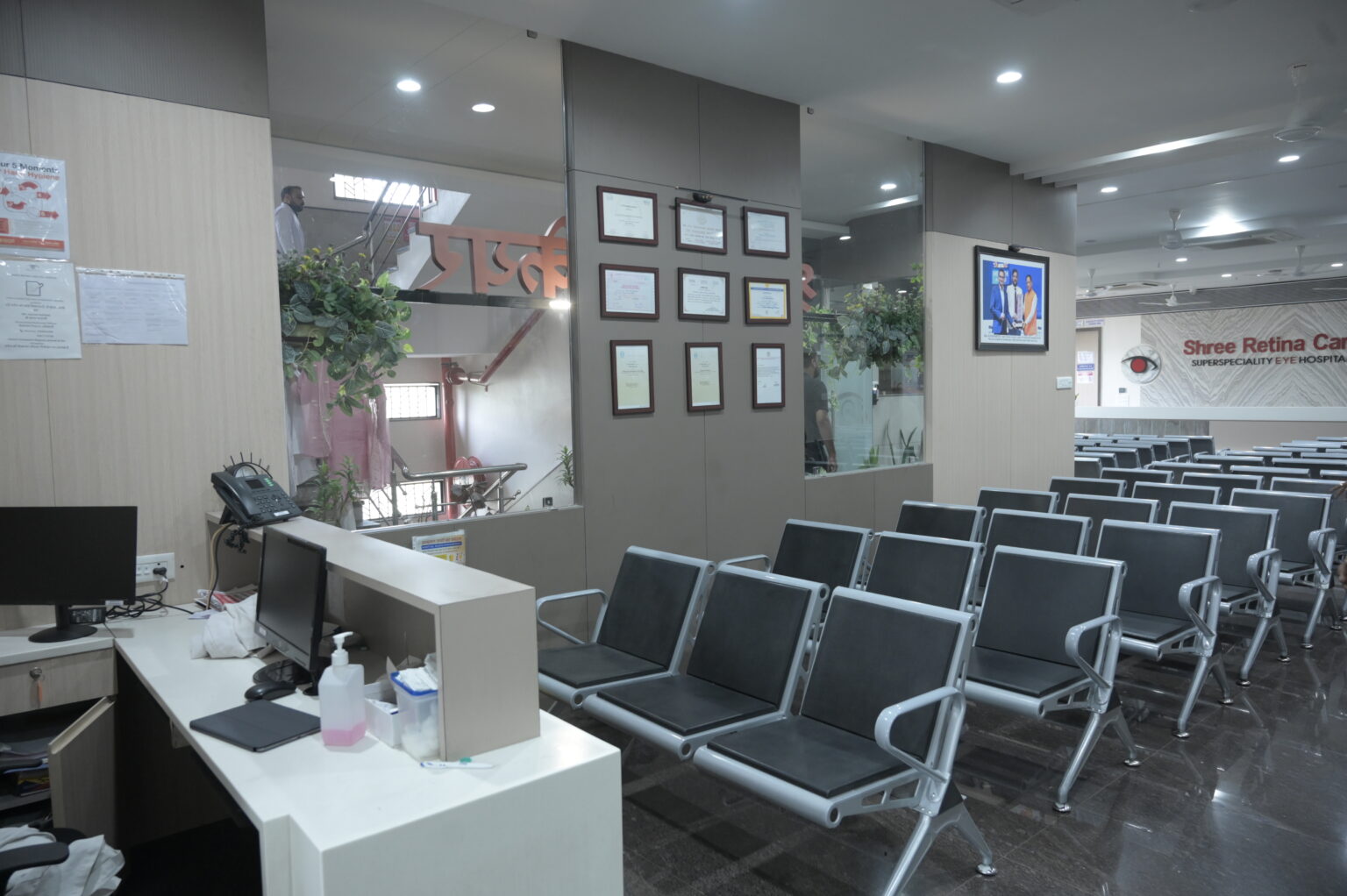
A search for cataract surgery recovery time in Raipur is usually the beginning of a patient decision, not the end of it. This page is designed to help you prepare for a focused consultation at Shree Retina Care in Raipur, understand the questions that matter and recognise when a symptom should not wait.
Plan the first day
Arrange transport, medicines, meals and help before the procedure.
Protect the healing eye
Drops, hygiene and avoiding pressure are important during recovery.
Know the red flags
Pain, redness or sudden worsening vision should be reported promptly.
What recovery time really means
Patients searching for cataract surgery recovery time in Raipur are often trying to connect a worrying symptom with a safe next step. In this context, the difference between returning to routine activity, achieving a stable prescription and completing follow-up is not a diagnosis by itself. A clinician needs to understand when it started, whether one or both eyes are affected, what activities have changed and whether there are medical conditions or previous procedures that alter the risk. That conversation prevents a generic internet description from becoming a personal treatment decision.
At Shree Retina Care, the useful question is not only whether a treatment is available, but whether it fits the finding in this particular eye. Many people notice improvement early, but healing and visual fluctuation can continue. The examination may include vision testing, a microscope examination, pressure measurement, dilation or imaging when those tests answer a clinical question. Results should be explained in everyday language, along with urgency, alternatives, limitations and the next review.
A practical plan for what recovery time really means should include what to do today, what to watch at home and when to return. Write down the diagnosis, the name and timing of any drops or procedure, the expected recovery pattern and the symptoms that need prompt contact. Do not change medicines, delay an urgent review or choose a procedure only because a page promises a fast, painless or permanent result. Individual care must be confirmed by the treating ophthalmologist.
Useful questions for this visit
- Tell the doctor how the difference between returning to routine activity, achieving a stable prescription and completing follow-up is affecting daily life.
- Bring old reports, prescriptions and the names of current medicines.
- Ask what the finding means for one eye, both eyes and future follow-up.
- Confirm when to return and which change related to the difference between returning to routine activity, achieving a stable prescription and completing follow-up needs prompt advice.
The first day after surgery
Patients searching for cataract surgery recovery time in Raipur are often trying to connect a worrying symptom with a safe next step. In this context, transport home, eye protection, prescribed drops, rest and what normal blur may feel like is not a diagnosis by itself. A clinician needs to understand when it started, whether one or both eyes are affected, what activities have changed and whether there are medical conditions or previous procedures that alter the risk. That conversation prevents a generic internet description from becoming a personal treatment decision.
At Shree Retina Care, the useful question is not only whether a treatment is available, but whether it fits the finding in this particular eye. Do not drive until the treating team says your vision and safety are adequate. The examination may include vision testing, a microscope examination, pressure measurement, dilation or imaging when those tests answer a clinical question. Results should be explained in everyday language, along with urgency, alternatives, limitations and the next review.
A practical plan for the first day after surgery should include what to do today, what to watch at home and when to return. Write down the diagnosis, the name and timing of any drops or procedure, the expected recovery pattern and the symptoms that need prompt contact. Do not change medicines, delay an urgent review or choose a procedure only because a page promises a fast, painless or permanent result. Individual care must be confirmed by the treating ophthalmologist.
Useful questions for this visit
- Tell the doctor how transport home, eye protection, prescribed drops, rest and what normal blur may feel like is affecting daily life.
- Bring old reports, prescriptions and the names of current medicines.
- Ask what the finding means for one eye, both eyes and future follow-up.
- Confirm when to return and which change related to transport home, eye protection, prescribed drops, rest and what normal blur may feel like needs prompt advice.
Using cataract eye drops
Patients searching for cataract surgery recovery time in Raipur are often trying to connect a worrying symptom with a safe next step. In this context, hand hygiene, bottle spacing, correct dose and a simple written schedule is not a diagnosis by itself. A clinician needs to understand when it started, whether one or both eyes are affected, what activities have changed and whether there are medical conditions or previous procedures that alter the risk. That conversation prevents a generic internet description from becoming a personal treatment decision.
At Shree Retina Care, the useful question is not only whether a treatment is available, but whether it fits the finding in this particular eye. Never change, stop or share post-operative drops without the surgeon's direction. The examination may include vision testing, a microscope examination, pressure measurement, dilation or imaging when those tests answer a clinical question. Results should be explained in everyday language, along with urgency, alternatives, limitations and the next review.
A practical plan for using cataract eye drops should include what to do today, what to watch at home and when to return. Write down the diagnosis, the name and timing of any drops or procedure, the expected recovery pattern and the symptoms that need prompt contact. Do not change medicines, delay an urgent review or choose a procedure only because a page promises a fast, painless or permanent result. Individual care must be confirmed by the treating ophthalmologist.
Useful questions for this visit
- Tell the doctor how hand hygiene, bottle spacing, correct dose and a simple written schedule is affecting daily life.
- Bring old reports, prescriptions and the names of current medicines.
- Ask what the finding means for one eye, both eyes and future follow-up.
- Confirm when to return and which change related to hand hygiene, bottle spacing, correct dose and a simple written schedule needs prompt advice.
Bathing, sleep and daily movement
Patients searching for cataract surgery recovery time in Raipur are often trying to connect a worrying symptom with a safe next step. In this context, keeping water and dust away from the eye, avoiding pressure and following activity restrictions is not a diagnosis by itself. A clinician needs to understand when it started, whether one or both eyes are affected, what activities have changed and whether there are medical conditions or previous procedures that alter the risk. That conversation prevents a generic internet description from becoming a personal treatment decision.
At Shree Retina Care, the useful question is not only whether a treatment is available, but whether it fits the finding in this particular eye. The advice may vary according to the procedure and the eye's condition. The examination may include vision testing, a microscope examination, pressure measurement, dilation or imaging when those tests answer a clinical question. Results should be explained in everyday language, along with urgency, alternatives, limitations and the next review.
A practical plan for bathing, sleep and daily movement should include what to do today, what to watch at home and when to return. Write down the diagnosis, the name and timing of any drops or procedure, the expected recovery pattern and the symptoms that need prompt contact. Do not change medicines, delay an urgent review or choose a procedure only because a page promises a fast, painless or permanent result. Individual care must be confirmed by the treating ophthalmologist.
Useful questions for this visit
- Tell the doctor how keeping water and dust away from the eye, avoiding pressure and following activity restrictions is affecting daily life.
- Bring old reports, prescriptions and the names of current medicines.
- Ask what the finding means for one eye, both eyes and future follow-up.
- Confirm when to return and which change related to keeping water and dust away from the eye, avoiding pressure and following activity restrictions needs prompt advice.
Work, screens and reading
Patients searching for cataract surgery recovery time in Raipur are often trying to connect a worrying symptom with a safe next step. In this context, when near work feels comfortable, adjusting brightness and taking breaks is not a diagnosis by itself. A clinician needs to understand when it started, whether one or both eyes are affected, what activities have changed and whether there are medical conditions or previous procedures that alter the risk. That conversation prevents a generic internet description from becoming a personal treatment decision.
At Shree Retina Care, the useful question is not only whether a treatment is available, but whether it fits the finding in this particular eye. Vision can fluctuate, so return to work should match the patient's safety and the doctor's review. The examination may include vision testing, a microscope examination, pressure measurement, dilation or imaging when those tests answer a clinical question. Results should be explained in everyday language, along with urgency, alternatives, limitations and the next review.
A practical plan for work, screens and reading should include what to do today, what to watch at home and when to return. Write down the diagnosis, the name and timing of any drops or procedure, the expected recovery pattern and the symptoms that need prompt contact. Do not change medicines, delay an urgent review or choose a procedure only because a page promises a fast, painless or permanent result. Individual care must be confirmed by the treating ophthalmologist.
Useful questions for this visit
- Tell the doctor how when near work feels comfortable, adjusting brightness and taking breaks is affecting daily life.
- Bring old reports, prescriptions and the names of current medicines.
- Ask what the finding means for one eye, both eyes and future follow-up.
- Confirm when to return and which change related to when near work feels comfortable, adjusting brightness and taking breaks needs prompt advice.
Driving and travel after cataract surgery
Patients searching for cataract surgery recovery time in Raipur are often trying to connect a worrying symptom with a safe next step. In this context, vision standards, glare, transport support and access to follow-up is not a diagnosis by itself. A clinician needs to understand when it started, whether one or both eyes are affected, what activities have changed and whether there are medical conditions or previous procedures that alter the risk. That conversation prevents a generic internet description from becoming a personal treatment decision.
At Shree Retina Care, the useful question is not only whether a treatment is available, but whether it fits the finding in this particular eye. Do not judge driving readiness only by how clear the operated eye feels at home. The examination may include vision testing, a microscope examination, pressure measurement, dilation or imaging when those tests answer a clinical question. Results should be explained in everyday language, along with urgency, alternatives, limitations and the next review.
A practical plan for driving and travel after cataract surgery should include what to do today, what to watch at home and when to return. Write down the diagnosis, the name and timing of any drops or procedure, the expected recovery pattern and the symptoms that need prompt contact. Do not change medicines, delay an urgent review or choose a procedure only because a page promises a fast, painless or permanent result. Individual care must be confirmed by the treating ophthalmologist.
Useful questions for this visit
- Tell the doctor how vision standards, glare, transport support and access to follow-up is affecting daily life.
- Bring old reports, prescriptions and the names of current medicines.
- Ask what the finding means for one eye, both eyes and future follow-up.
- Confirm when to return and which change related to vision standards, glare, transport support and access to follow-up needs prompt advice.
Warning signs during recovery
Patients searching for cataract surgery recovery time in Raipur are often trying to connect a worrying symptom with a safe next step. In this context, increasing pain, marked redness, discharge, sudden blur, flashes, floaters or a curtain is not a diagnosis by itself. A clinician needs to understand when it started, whether one or both eyes are affected, what activities have changed and whether there are medical conditions or previous procedures that alter the risk. That conversation prevents a generic internet description from becoming a personal treatment decision.
At Shree Retina Care, the useful question is not only whether a treatment is available, but whether it fits the finding in this particular eye. These symptoms need the clinic's advice rather than waiting for the next routine appointment. The examination may include vision testing, a microscope examination, pressure measurement, dilation or imaging when those tests answer a clinical question. Results should be explained in everyday language, along with urgency, alternatives, limitations and the next review.
A practical plan for warning signs during recovery should include what to do today, what to watch at home and when to return. Write down the diagnosis, the name and timing of any drops or procedure, the expected recovery pattern and the symptoms that need prompt contact. Do not change medicines, delay an urgent review or choose a procedure only because a page promises a fast, painless or permanent result. Individual care must be confirmed by the treating ophthalmologist.
Useful questions for this visit
- Tell the doctor how increasing pain, marked redness, discharge, sudden blur, flashes, floaters or a curtain is affecting daily life.
- Bring old reports, prescriptions and the names of current medicines.
- Ask what the finding means for one eye, both eyes and future follow-up.
- Confirm when to return and which change related to increasing pain, marked redness, discharge, sudden blur, flashes, floaters or a curtain needs prompt advice.
Follow-up and glasses after surgery
Patients searching for cataract surgery recovery time in Raipur are often trying to connect a worrying symptom with a safe next step. In this context, checking healing, pressure, refraction and the timing of a final glasses prescription is not a diagnosis by itself. A clinician needs to understand when it started, whether one or both eyes are affected, what activities have changed and whether there are medical conditions or previous procedures that alter the risk. That conversation prevents a generic internet description from becoming a personal treatment decision.
At Shree Retina Care, the useful question is not only whether a treatment is available, but whether it fits the finding in this particular eye. A spectacle prescription is often considered after vision has stabilised, but the exact timing is individual. The examination may include vision testing, a microscope examination, pressure measurement, dilation or imaging when those tests answer a clinical question. Results should be explained in everyday language, along with urgency, alternatives, limitations and the next review.
A practical plan for follow-up and glasses after surgery should include what to do today, what to watch at home and when to return. Write down the diagnosis, the name and timing of any drops or procedure, the expected recovery pattern and the symptoms that need prompt contact. Do not change medicines, delay an urgent review or choose a procedure only because a page promises a fast, painless or permanent result. Individual care must be confirmed by the treating ophthalmologist.
Useful questions for this visit
- Tell the doctor how checking healing, pressure, refraction and the timing of a final glasses prescription is affecting daily life.
- Bring old reports, prescriptions and the names of current medicines.
- Ask what the finding means for one eye, both eyes and future follow-up.
- Confirm when to return and which change related to checking healing, pressure, refraction and the timing of a final glasses prescription needs prompt advice.
Frequently asked questions
How long does cataract surgery recovery take?
Many patients resume light routine activities quickly, but visual stability and the final prescription can take longer. Your surgeon's timeline is specific to your eye.
What is cataract surgery recovery time in Raipur?
Recovery depends on the procedure, eye health and follow-up findings. Ask for a written day-by-day plan after examination.
Can I use my phone after cataract surgery?
Many patients can use a phone when comfortable, but brightness, dryness and fluctuating focus may make short sessions easier at first.
When can I drive after cataract surgery?
Only after the treating team confirms that your vision, glare control and safety meet the required standard.
Can I bend or lift after surgery?
Restrictions vary by case. Ask the surgeon what lifting, bending and exercise limits apply to your procedure.
When should I call the eye hospital?
Call promptly for increasing pain, marked redness, discharge, sudden vision loss, flashes, a curtain or a rapid change.
Take the next step with a clear plan
Share the symptom, diagnosis or report that brought you here. The Shree Retina Care team can guide you to the appropriate appointment desk and explain what to carry for a consultation in Raipur.
