
Retinal care • Laser treatment
Retina Laser Treatment in Raipur
Retina laser is used for selected eye conditions. The purpose, possible benefit, alternatives and follow-up depend on what an eye examination shows.
New flashes, many floaters, a curtain-like shadow or a sudden reduction in vision should be discussed urgently with an eye-care professional.
Retinal laser is not one standard treatment for every eye problem. The ophthalmologist should explain the diagnosis, the intended purpose, possible limitations and alternatives for the individual eye.
When may retina laser be considered?
Depending on the examination, a specialist may discuss laser for a selected retinal tear or to manage certain changes related to diabetes or abnormal retinal blood vessels. A scan or dilated examination may be needed to understand the location and extent of the problem.
Laser is only one possible part of care. Some findings may need observation, injections, surgery or a different plan. For related information, read about diabetic retinopathy treatment and retinal detachment treatment.
What to expect on the day of retina laser
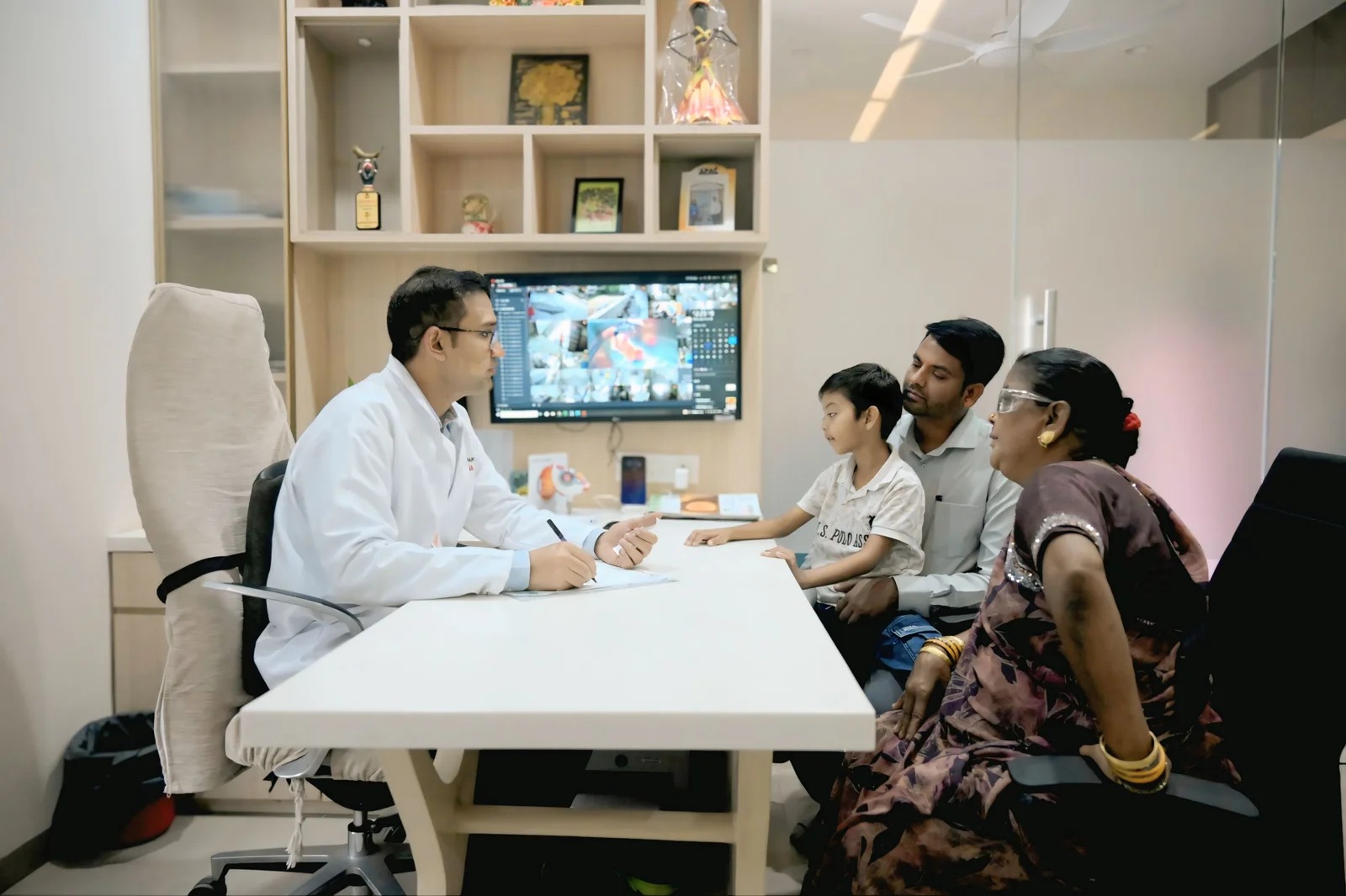
The team should describe the preparation and answer questions before treatment. Drops may be used to widen the pupil and numb the eye. A small contact lens may be placed on the eye for some procedures; the clinician will explain what applies to your treatment.
You may notice bright flashes, pressure or discomfort. The area treated, session length and number of visits vary by diagnosis and the clinician's plan. Ask whether you need someone to accompany you and whether it is safe to drive afterwards.
Before you go
Bring reports, a list of medicines and any scan results. Ask what preparation is needed and how transport should be arranged.
Before leaving
Confirm the aftercare instructions, whom to contact with a concern and when the next review should happen.
Recovery and follow-up
Temporary blur or light sensitivity may occur, and the experience can differ between procedures. Follow the instructions from the treating team and do not drive until your vision is clear and the clinic says it is safe.
Contact the clinic promptly about a sudden vision drop, new curtain-like shadow, worsening pain, marked redness or another symptom the team told you to watch for. Follow-up matters because the doctor needs to check the eye and decide whether further care is needed.
What affects retina laser cost?
An estimate can depend on the diagnosis, type and area of laser, whether one or both eyes are treated, the number of sessions, imaging and follow-up. Ask whether the quote covers one visit or the full plan.
Clinic-confirmed general price ranges were not available for this draft, so it intentionally does not list rupee amounts. Ask the clinic to explain the proposed procedure and what is included after your assessment. A diabetic eye check-up may be relevant when diabetes is part of the care plan.
Retina laser FAQs
Does retina laser hurt?
People may feel pressure or discomfort, but the experience varies. Ask the treating team how the eye will be prepared and what sensations to expect.
Will laser bring back lost vision?
Laser may be used to manage a specific retinal problem or reduce a risk. It does not reliably restore vision already lost; the likely benefit depends on the diagnosis and existing damage.
Will I need more than one session?
There is no single schedule for everyone. The diagnosis, treatment area and follow-up findings guide whether another visit is advised.
Can I drive home after laser?
Drops or temporary blur may affect vision. Ask the clinic before treatment and arrange a companion if advised; do not drive if your vision is not clear.
Get a clear retina care plan
Contact Shree Retina Care to ask about an assessment. Bring previous reports and scans so the team can guide you on the next step.
Contact the clinicThis page is for general education and is not a diagnosis, prescription, confirmed price or guarantee of outcome. Treatment, recovery and cost should be discussed with the treating ophthalmologist.
