Planning the assessment
What happens at an ICL consultation?
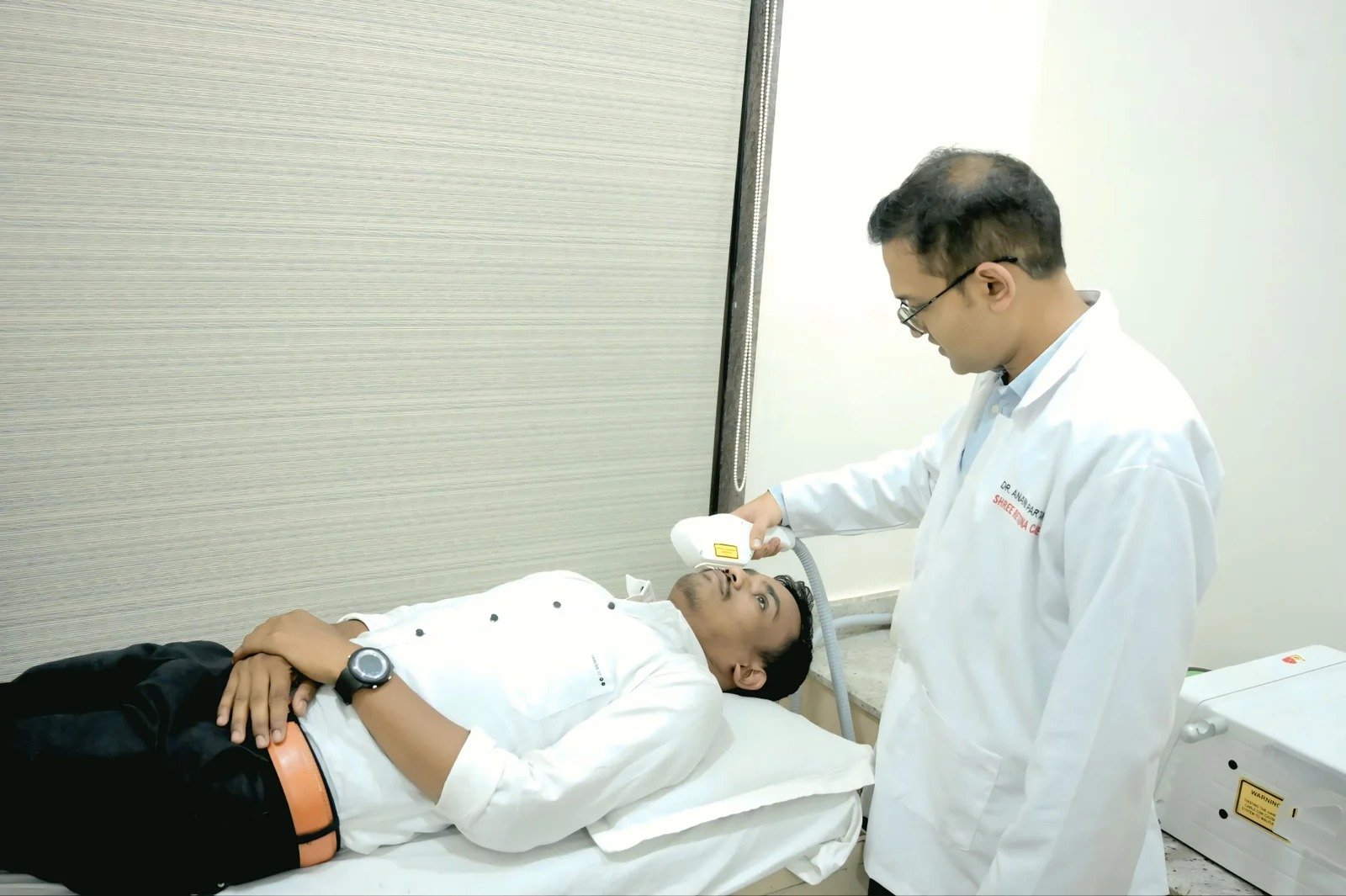
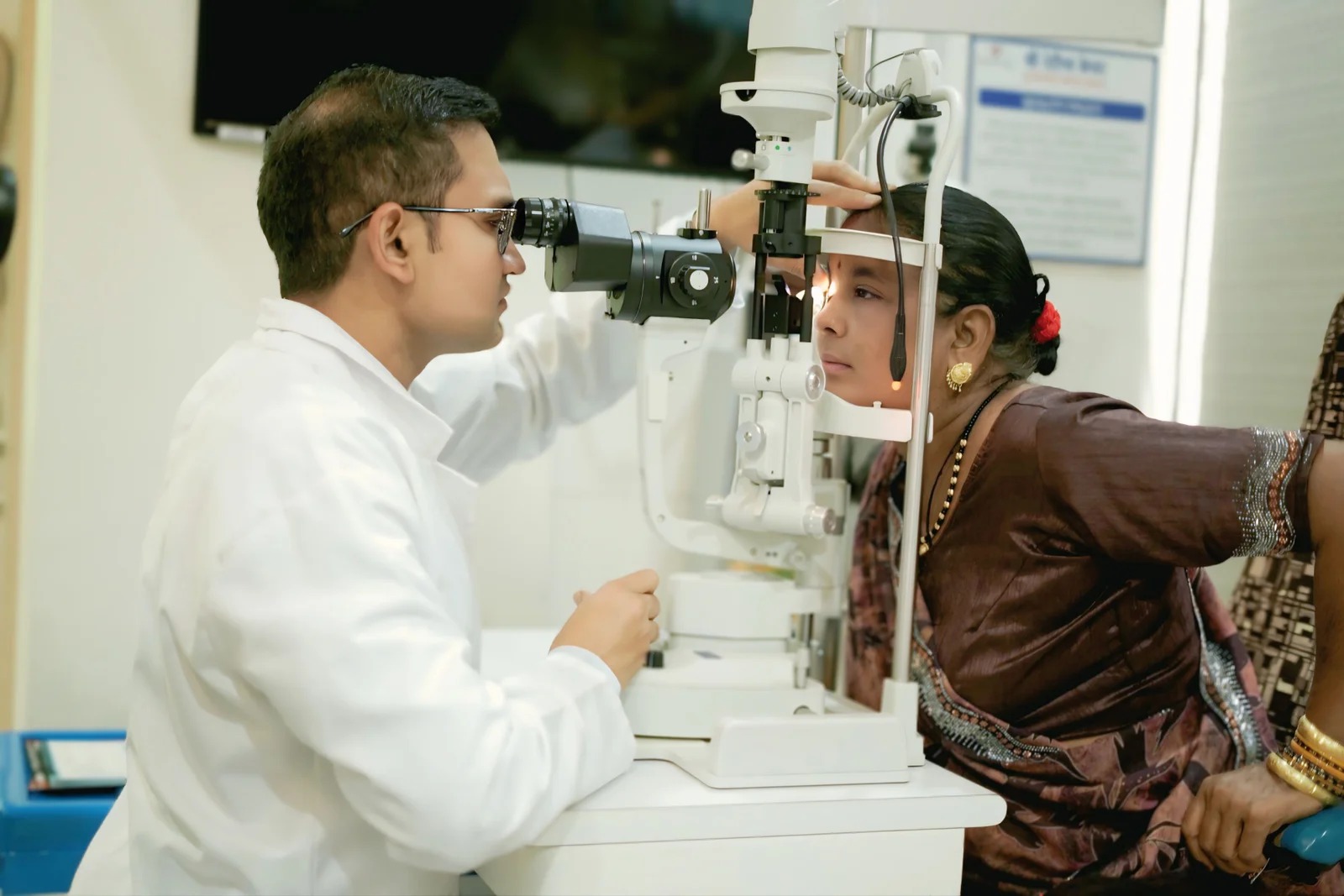
The first visit is an eligibility discussion, not an automatic booking for surgery. The ophthalmologist reviews the prescription, eye history, general health, medicines and visual goals. Testing may include refraction, corneal measurements, the depth and shape of the front chamber, eye pressure, pupil assessment, endothelial cell evaluation and a retinal examination. The exact tests depend on the patient and the lens being considered.
Contact lenses can affect some measurements. Ask the clinic how long to pause your particular lens type before the examination and whether the test needs repeating after a second period without lenses. Do not decide on a stop period from a general article. Tell the clinician if you have keratoconus, glaucoma, cataract, dry eye, previous eye surgery or a family history of eye disease.
The doctor should explain whether the prescription is stable, whether an ICL is appropriate, what other options exist and what risks are relevant. If the patient is not a suitable candidate, ask why and whether glasses, contact lenses, laser treatment or observation can meet the goal. The evaluation may identify a reason not to operate; that is an important outcome of screening, not a failed appointment.
Ask what happens between consultation and surgery: how long the results remain valid, whether repeat measurements are needed, how the lens is ordered, who confirms its power and what happens if the measurements change. Understand the consent and cancellation process before paying a deposit. Keep all test reports and the lens details with your records.
Long-term expectations
ICL care does not end when vision improves
Follow-up is needed to check healing, pressure, lens position and the health of the natural lens and cornea. The surgeon should specify the first review, later visits and signs that require urgent attention. Ask whether routine long-term eye examinations remain necessary and how to arrange care if you move to another city.
An ICL may reduce dependence on glasses, but it does not stop age-related changes or protect against every eye condition. Some people may still need glasses for certain tasks. If the natural lens later develops cataract or another eye condition occurs, the ICL may need to be reassessed. Ask who will manage future care and whether the lens model and power will be documented in a card or report.
During recovery, follow instructions for prescribed drops, bathing, exercise, lifting and screen use. Do not rub the eye, swim or use contact lenses until the surgeon says it is safe. If a drop causes a problem, ask before stopping it. Sudden blur, increasing pain, marked redness, flashes or a curtain-like shadow needs prompt medical attention.
Price comparison should include follow-up and potential additional care, not just the initial lens and operation. Ask whether the estimate includes both eyes, scheduled reviews, medicines, repeat testing and emergency contact. A clinic should explain exclusions and any possible additional charges in advance. Do not rely on an online number that does not name the lens or services included.
Patient questions
ICL surgery cost FAQs
What is the current ICL surgery cost in Raipur?
This page does not publish a price because no current clinic-approved ICL estimate was found in the public information reviewed. Cost depends on the lens, measurements, facility and included follow-up. Request a written estimate directly from the clinic after an assessment.
Does Shree Retina Care offer ICL surgery?
The clinic’s public site lists refractive and LASIK care but does not confirm ICL availability. Call before booking and ask which doctor and lens options are currently available. Do not assume the presence of a LASIK service means ICL is offered.
Is ICL safer than LASIK?
They are different procedures with different eligibility criteria and risks. The safest suitable option depends on the patient’s eye and health. An ophthalmologist should compare the options after examination and explain why one is preferred.
Can everyone with a high prescription get ICL?
No. Prescription is only one part of screening. Eye anatomy, pressure, corneal health, natural lens, retina and other factors matter. Some people are not suitable for ICL or may need a different option.
Does ICL mean I will never need glasses?
No. Some people may still need glasses for certain tasks or later changes in vision. The surgeon should set realistic expectations based on the prescription and eye examination.
What should an ICL quote include?
Ask whether it includes the lens model, preoperative tests, surgeon and facility charges, medicines, planned follow-up and management of unexpected changes. Confirm if it is for one eye or both and request exclusions in writing.
How long does recovery take?
Recovery differs by patient and procedure plan. Follow the treating surgeon’s instructions for drops, work, exercise, driving and follow-up. Seek prompt review for sudden blur, significant pain or increasing redness.
Where can I learn about ICL risks?
The American Academy of Ophthalmology ICL guide provides general information. An ophthalmologist should explain how it applies to your measurements and history.