







Eye floaters and flashes in Raipur: when a retinal check matters
Know when eye floaters and flashes in Raipur need a retinal examination, what a curtain shadow means, posterior vitreous changes and safe next steps.
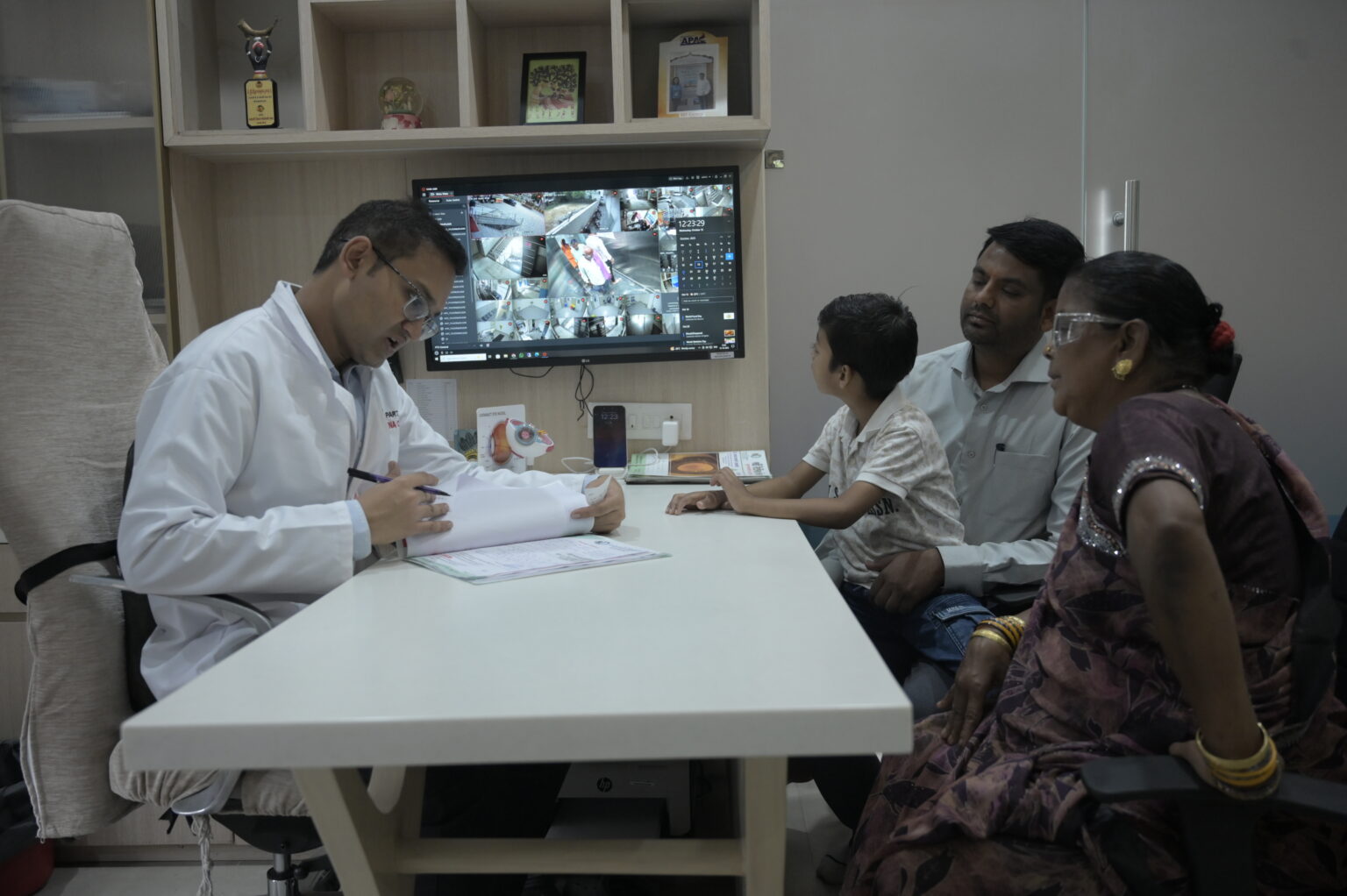
A search for eye floaters and flashes in Raipur is usually the beginning of a patient decision, not the end of it. This page is designed to help you prepare for a focused consultation at Shree Retina Care in Raipur, understand the questions that matter and recognise when a symptom should not wait.
Notice the change
Record sudden onset, one eye, shower of spots and any missing field.
Do not wait on search results
A retinal tear cannot be ruled out from symptoms alone.
Protect your safety
Avoid driving if vision is affected and arrange prompt assessment.
What floaters look like
Patients searching for eye floaters and flashes in Raipur are often trying to connect a worrying symptom with a safe next step. In this context, spots, strands, cobwebs, rings or shadows that move as the eye moves is not a diagnosis by itself. A clinician needs to understand when it started, whether one or both eyes are affected, what activities have changed and whether there are medical conditions or previous procedures that alter the risk. That conversation prevents a generic internet description from becoming a personal treatment decision.
At Shree Retina Care, the useful question is not only whether a treatment is available, but whether it fits the finding in this particular eye. The brain may notice them more against a bright wall or sky. The examination may include vision testing, a microscope examination, pressure measurement, dilation or imaging when those tests answer a clinical question. Results should be explained in everyday language, along with urgency, alternatives, limitations and the next review.
A practical plan for what floaters look like should include what to do today, what to watch at home and when to return. Write down the diagnosis, the name and timing of any drops or procedure, the expected recovery pattern and the symptoms that need prompt contact. Do not change medicines, delay an urgent review or choose a procedure only because a page promises a fast, painless or permanent result. Individual care must be confirmed by the treating ophthalmologist.
Useful questions for this visit
- Tell the doctor how spots, strands, cobwebs, rings or shadows that move as the eye moves is affecting daily life.
- Bring old reports, prescriptions and the names of current medicines.
- Ask what the finding means for one eye, both eyes and future follow-up.
- Confirm when to return and which change related to spots, strands, cobwebs, rings or shadows that move as the eye moves needs prompt advice.
What flashes can mean
Patients searching for eye floaters and flashes in Raipur are often trying to connect a worrying symptom with a safe next step. In this context, brief arcs or flickers caused by traction or irritation inside the eye is not a diagnosis by itself. A clinician needs to understand when it started, whether one or both eyes are affected, what activities have changed and whether there are medical conditions or previous procedures that alter the risk. That conversation prevents a generic internet description from becoming a personal treatment decision.
At Shree Retina Care, the useful question is not only whether a treatment is available, but whether it fits the finding in this particular eye. Flashes may be intermittent, but new flashes deserve a careful history and examination. The examination may include vision testing, a microscope examination, pressure measurement, dilation or imaging when those tests answer a clinical question. Results should be explained in everyday language, along with urgency, alternatives, limitations and the next review.
A practical plan for what flashes can mean should include what to do today, what to watch at home and when to return. Write down the diagnosis, the name and timing of any drops or procedure, the expected recovery pattern and the symptoms that need prompt contact. Do not change medicines, delay an urgent review or choose a procedure only because a page promises a fast, painless or permanent result. Individual care must be confirmed by the treating ophthalmologist.
Useful questions for this visit
- Tell the doctor how brief arcs or flickers caused by traction or irritation inside the eye is affecting daily life.
- Bring old reports, prescriptions and the names of current medicines.
- Ask what the finding means for one eye, both eyes and future follow-up.
- Confirm when to return and which change related to brief arcs or flickers caused by traction or irritation inside the eye needs prompt advice.
Common harmless changes
Patients searching for eye floaters and flashes in Raipur are often trying to connect a worrying symptom with a safe next step. In this context, age-related vitreous changes after the doctor has examined the retina is not a diagnosis by itself. A clinician needs to understand when it started, whether one or both eyes are affected, what activities have changed and whether there are medical conditions or previous procedures that alter the risk. That conversation prevents a generic internet description from becoming a personal treatment decision.
At Shree Retina Care, the useful question is not only whether a treatment is available, but whether it fits the finding in this particular eye. A previous reassuring examination does not automatically cover a new shower of floaters. The examination may include vision testing, a microscope examination, pressure measurement, dilation or imaging when those tests answer a clinical question. Results should be explained in everyday language, along with urgency, alternatives, limitations and the next review.
A practical plan for common harmless changes should include what to do today, what to watch at home and when to return. Write down the diagnosis, the name and timing of any drops or procedure, the expected recovery pattern and the symptoms that need prompt contact. Do not change medicines, delay an urgent review or choose a procedure only because a page promises a fast, painless or permanent result. Individual care must be confirmed by the treating ophthalmologist.
Useful questions for this visit
- Tell the doctor how age-related vitreous changes after the doctor has examined the retina is affecting daily life.
- Bring old reports, prescriptions and the names of current medicines.
- Ask what the finding means for one eye, both eyes and future follow-up.
- Confirm when to return and which change related to age-related vitreous changes after the doctor has examined the retina needs prompt advice.
Retinal tear and detachment warning signs
Patients searching for eye floaters and flashes in Raipur are often trying to connect a worrying symptom with a safe next step. In this context, a sudden increase in floaters, repeated flashes, a curtain, dark peripheral area or drop in vision is not a diagnosis by itself. A clinician needs to understand when it started, whether one or both eyes are affected, what activities have changed and whether there are medical conditions or previous procedures that alter the risk. That conversation prevents a generic internet description from becoming a personal treatment decision.
At Shree Retina Care, the useful question is not only whether a treatment is available, but whether it fits the finding in this particular eye. These symptoms need prompt retinal advice because timing can matter. The examination may include vision testing, a microscope examination, pressure measurement, dilation or imaging when those tests answer a clinical question. Results should be explained in everyday language, along with urgency, alternatives, limitations and the next review.
A practical plan for retinal tear and detachment warning signs should include what to do today, what to watch at home and when to return. Write down the diagnosis, the name and timing of any drops or procedure, the expected recovery pattern and the symptoms that need prompt contact. Do not change medicines, delay an urgent review or choose a procedure only because a page promises a fast, painless or permanent result. Individual care must be confirmed by the treating ophthalmologist.
Useful questions for this visit
- Tell the doctor how a sudden increase in floaters, repeated flashes, a curtain, dark peripheral area or drop in vision is affecting daily life.
- Bring old reports, prescriptions and the names of current medicines.
- Ask what the finding means for one eye, both eyes and future follow-up.
- Confirm when to return and which change related to a sudden increase in floaters, repeated flashes, a curtain, dark peripheral area or drop in vision needs prompt advice.
Who has additional risk
Patients searching for eye floaters and flashes in Raipur are often trying to connect a worrying symptom with a safe next step. In this context, high myopia, trauma, previous eye surgery, retinal disease or a family history of detachment is not a diagnosis by itself. A clinician needs to understand when it started, whether one or both eyes are affected, what activities have changed and whether there are medical conditions or previous procedures that alter the risk. That conversation prevents a generic internet description from becoming a personal treatment decision.
At Shree Retina Care, the useful question is not only whether a treatment is available, but whether it fits the finding in this particular eye. Risk factors change the threshold for seeking a dilated examination. The examination may include vision testing, a microscope examination, pressure measurement, dilation or imaging when those tests answer a clinical question. Results should be explained in everyday language, along with urgency, alternatives, limitations and the next review.
A practical plan for who has additional risk should include what to do today, what to watch at home and when to return. Write down the diagnosis, the name and timing of any drops or procedure, the expected recovery pattern and the symptoms that need prompt contact. Do not change medicines, delay an urgent review or choose a procedure only because a page promises a fast, painless or permanent result. Individual care must be confirmed by the treating ophthalmologist.
Useful questions for this visit
- Tell the doctor how high myopia, trauma, previous eye surgery, retinal disease or a family history of detachment is affecting daily life.
- Bring old reports, prescriptions and the names of current medicines.
- Ask what the finding means for one eye, both eyes and future follow-up.
- Confirm when to return and which change related to high myopia, trauma, previous eye surgery, retinal disease or a family history of detachment needs prompt advice.
What the examination involves
Patients searching for eye floaters and flashes in Raipur are often trying to connect a worrying symptom with a safe next step. In this context, vision, pupils, pressure when indicated, dilation and a peripheral retinal examination is not a diagnosis by itself. A clinician needs to understand when it started, whether one or both eyes are affected, what activities have changed and whether there are medical conditions or previous procedures that alter the risk. That conversation prevents a generic internet description from becoming a personal treatment decision.
At Shree Retina Care, the useful question is not only whether a treatment is available, but whether it fits the finding in this particular eye. The clinician may recommend imaging or a repeat check if the view or symptoms require it. The examination may include vision testing, a microscope examination, pressure measurement, dilation or imaging when those tests answer a clinical question. Results should be explained in everyday language, along with urgency, alternatives, limitations and the next review.
A practical plan for what the examination involves should include what to do today, what to watch at home and when to return. Write down the diagnosis, the name and timing of any drops or procedure, the expected recovery pattern and the symptoms that need prompt contact. Do not change medicines, delay an urgent review or choose a procedure only because a page promises a fast, painless or permanent result. Individual care must be confirmed by the treating ophthalmologist.
Useful questions for this visit
- Tell the doctor how vision, pupils, pressure when indicated, dilation and a peripheral retinal examination is affecting daily life.
- Bring old reports, prescriptions and the names of current medicines.
- Ask what the finding means for one eye, both eyes and future follow-up.
- Confirm when to return and which change related to vision, pupils, pressure when indicated, dilation and a peripheral retinal examination needs prompt advice.
What to do while arranging care
Patients searching for eye floaters and flashes in Raipur are often trying to connect a worrying symptom with a safe next step. In this context, avoid driving, note the affected eye, bring reports and do not rub the eye is not a diagnosis by itself. A clinician needs to understand when it started, whether one or both eyes are affected, what activities have changed and whether there are medical conditions or previous procedures that alter the risk. That conversation prevents a generic internet description from becoming a personal treatment decision.
At Shree Retina Care, the useful question is not only whether a treatment is available, but whether it fits the finding in this particular eye. Do not use old drops to treat floaters or flashes unless a clinician has prescribed them for this episode. The examination may include vision testing, a microscope examination, pressure measurement, dilation or imaging when those tests answer a clinical question. Results should be explained in everyday language, along with urgency, alternatives, limitations and the next review.
A practical plan for what to do while arranging care should include what to do today, what to watch at home and when to return. Write down the diagnosis, the name and timing of any drops or procedure, the expected recovery pattern and the symptoms that need prompt contact. Do not change medicines, delay an urgent review or choose a procedure only because a page promises a fast, painless or permanent result. Individual care must be confirmed by the treating ophthalmologist.
Useful questions for this visit
- Tell the doctor how avoid driving, note the affected eye, bring reports and do not rub the eye is affecting daily life.
- Bring old reports, prescriptions and the names of current medicines.
- Ask what the finding means for one eye, both eyes and future follow-up.
- Confirm when to return and which change related to avoid driving, note the affected eye, bring reports and do not rub the eye needs prompt advice.
After a reassuring retinal check
Patients searching for eye floaters and flashes in Raipur are often trying to connect a worrying symptom with a safe next step. In this context, which symptoms to watch, when to return and why follow-up instructions still matter is not a diagnosis by itself. A clinician needs to understand when it started, whether one or both eyes are affected, what activities have changed and whether there are medical conditions or previous procedures that alter the risk. That conversation prevents a generic internet description from becoming a personal treatment decision.
At Shree Retina Care, the useful question is not only whether a treatment is available, but whether it fits the finding in this particular eye. A clear safety-net plan helps patients respond if the pattern changes. The examination may include vision testing, a microscope examination, pressure measurement, dilation or imaging when those tests answer a clinical question. Results should be explained in everyday language, along with urgency, alternatives, limitations and the next review.
A practical plan for after a reassuring retinal check should include what to do today, what to watch at home and when to return. Write down the diagnosis, the name and timing of any drops or procedure, the expected recovery pattern and the symptoms that need prompt contact. Do not change medicines, delay an urgent review or choose a procedure only because a page promises a fast, painless or permanent result. Individual care must be confirmed by the treating ophthalmologist.
Useful questions for this visit
- Tell the doctor how which symptoms to watch, when to return and why follow-up instructions still matter is affecting daily life.
- Bring old reports, prescriptions and the names of current medicines.
- Ask what the finding means for one eye, both eyes and future follow-up.
- Confirm when to return and which change related to which symptoms to watch, when to return and why follow-up instructions still matter needs prompt advice.
Frequently asked questions
Are eye floaters dangerous?
Some are age-related and harmless after examination, but a sudden increase or floaters with flashes can signal a retinal tear or detachment.
What is the cost of a flashes and floaters check in Raipur?
Cost depends on the consultation, dilation and any retinal imaging. Ask the clinic what the examination includes.
Can eye floaters go away?
The brain may adapt and some floaters become less noticeable, but new symptoms should be assessed before assuming they are harmless.
Why do I see flashes in the dark?
Flashes can come from traction inside the eye, but the cause cannot be confirmed from the symptom alone.
Should I wait for floaters to settle?
New or rapidly changing floaters should not be delayed, especially with flashes, a curtain or reduced vision.
Can floaters be treated with eye drops?
Routine eye drops do not remove most vitreous floaters. Treatment depends on the examination and the effect on vision.
Take the next step with a clear plan
Share the symptom, diagnosis or report that brought you here. The Shree Retina Care team can guide you to the appropriate appointment desk and explain what to carry for a consultation in Raipur.
