Recovery and follow-up
Aftercare and monitoring remain important
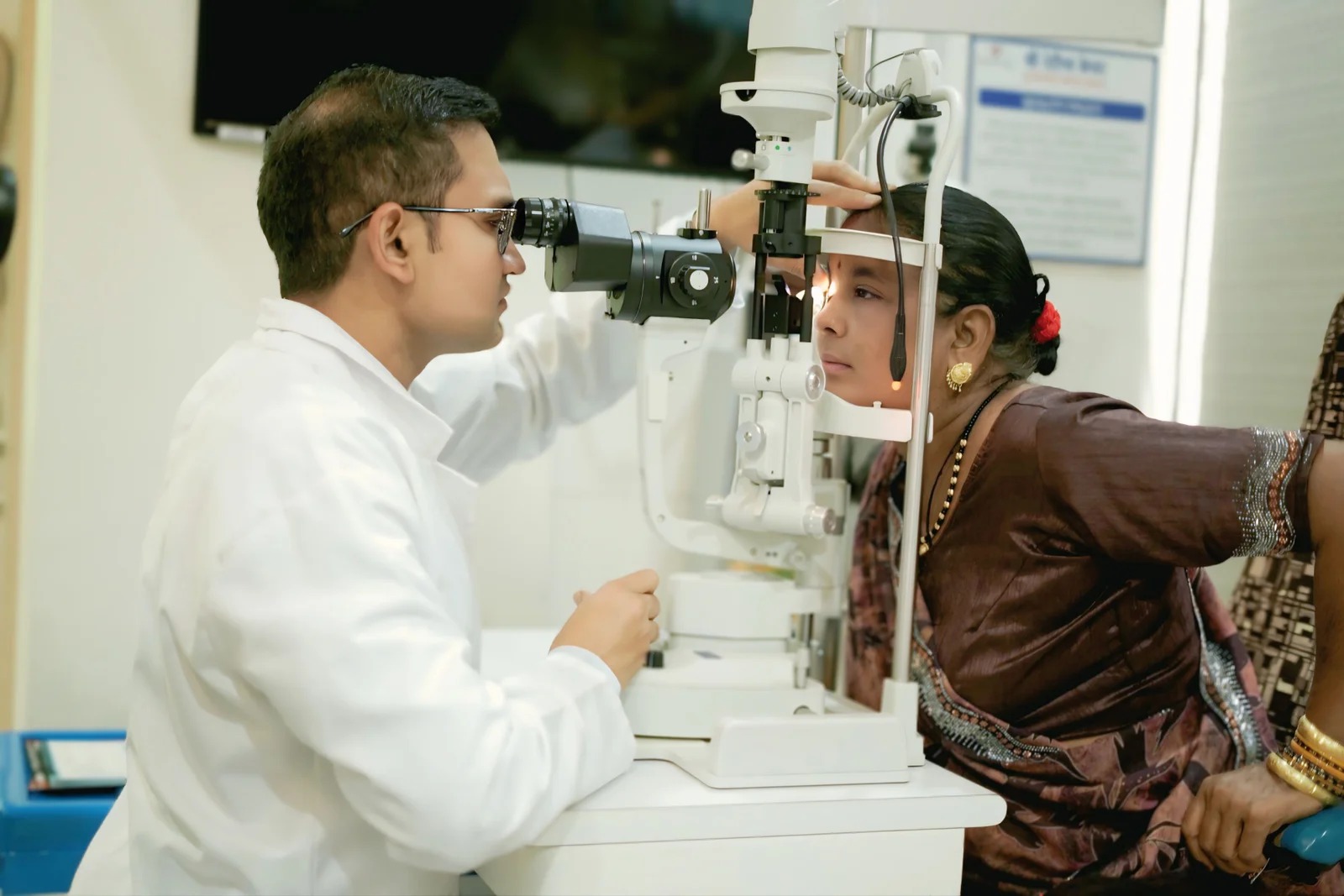
Aftercare depends on the protocol and the eye’s response. The clinic may prescribe drops, provide a bandage contact lens or advise restrictions while the surface heals. Follow the written instructions exactly. Wash hands before using drops, avoid rubbing, do not remove a bandage lens yourself and attend the scheduled reviews. Ask when you can return to school, work, exercise, swimming or contact lens wear.
Some discomfort, watering, light sensitivity or blur may occur after a procedure, but severe or worsening symptoms require advice. Increasing pain, marked redness, discharge, a sudden decline in vision or a new white spot on the cornea should prompt urgent contact with the treating team. Do not wait for a planned follow-up if warning symptoms appear.
Follow-up scans help the specialist assess corneal stability over time. A single early scan may not establish the long-term result. Keep copies of reports and note the date and protocol used. If vision remains irregular, the clinician may discuss updated glasses or contact lenses once it is appropriate. Cross-linking does not remove the need for ongoing care.
Eye rubbing should be avoided. If allergy, dryness or itch makes rubbing hard to control, ask the clinician how to manage it safely. Do not share drops or contact lenses. Keep lenses and cases clean according to professional instructions and seek assessment for pain or redness when wearing a lens.
The recovery plan may take longer than a single clinic visit. Ask who to contact if a drop runs out, a bandage lens falls out or symptoms change. A clear, written aftercare schedule reduces guesswork and helps the patient know when a concern should be reviewed.