
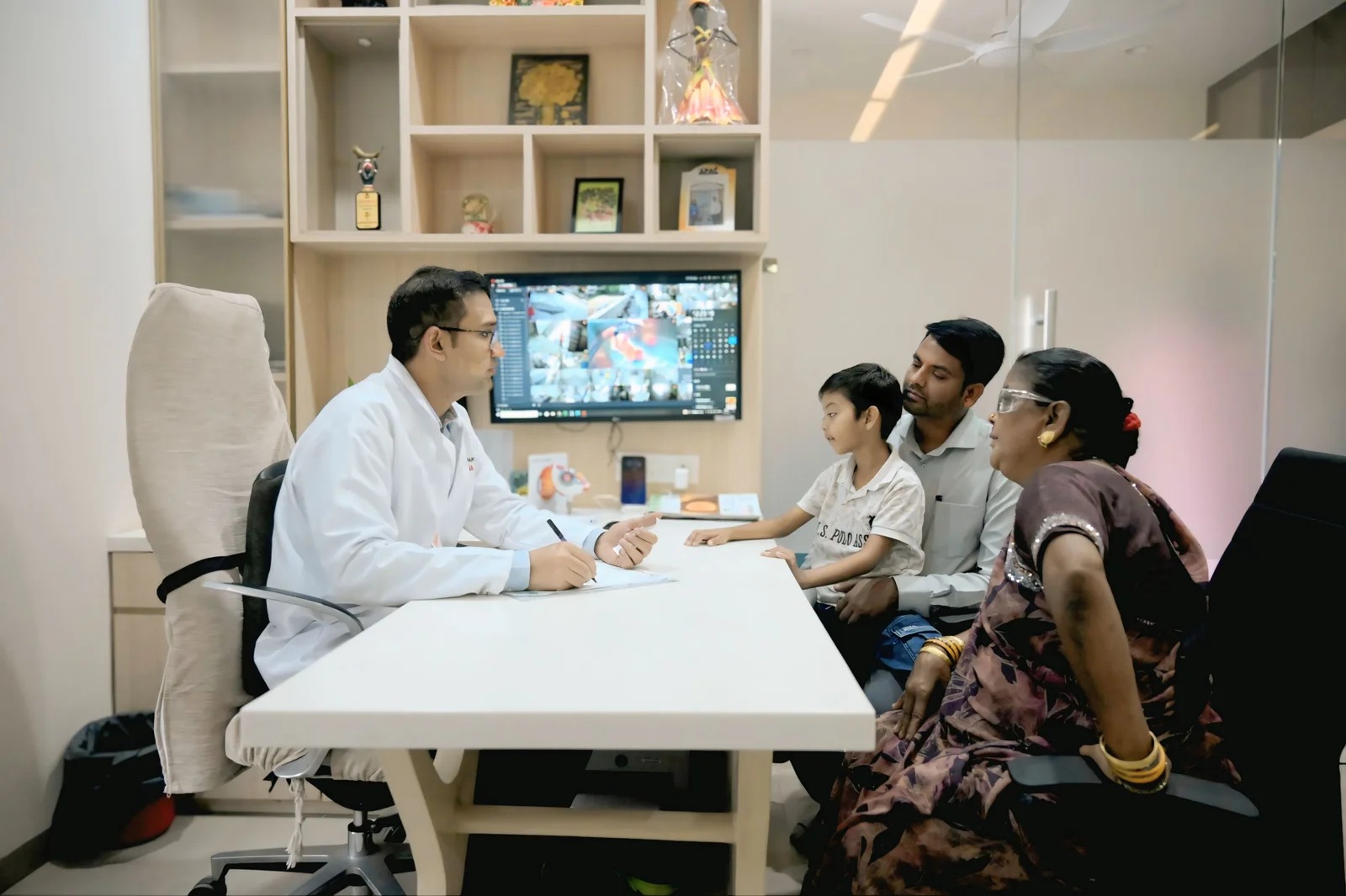
Glaucoma · monitoring over time
Glaucoma care in Raipur understand testing and long-term follow-up
Glaucoma is a group of eye conditions that can damage the optic nerve. It often develops without obvious early symptoms, which is why examination and follow-up matter. Shree Retina Care lists glaucoma care among its services. Treatment can help reduce the risk of further damage, but vision already lost from glaucoma is not restored. A personalised monitoring plan is more useful than relying on symptoms alone.
Shree Retina Care · Shankar Nagar, Raipur
Explore eye-care services
A patient guide · Glaucoma care
Glaucoma care is a monitoring plan, not a single pressure reading.
What glaucoma affects
The optic nerve carries visual information from the eye to the brain. Glaucoma can damage this nerve and gradually affect the field of vision. There are different types, and the pattern and pace of change vary. Eye pressure is relevant but does not by itself define glaucoma: a pressure measurement alone cannot confirm or rule out the condition. A clinician interprets several findings together and considers risk factors and history.
Why the absence of symptoms is not reassurance
Early glaucoma may not cause pain or a noticeable change in central vision. Side vision can be affected gradually, and people may adapt without recognising a difference. This is one reason an eye examination matters when a clinician recommends one, especially when there is a known risk or previous abnormal result. Do not wait for symptoms to become obvious before following an advised review plan.
Diagnosis uses more than one measurement
Evaluation may include pressure measurement, inspection of the optic nerve, visual-field testing and imaging or other checks. Not every patient requires the same set of tests at every visit. Results are interpreted alongside each other and across time. Bring earlier reports if available, and ask the clinician to explain whether a finding is stable, uncertain or has changed. A single number is rarely the whole story.
A pressure reading is only one part of the picture
Glaucoma care aims to lower the chance of further optic-nerve damage. Depending on the diagnosis, treatment may include prescribed eye drops, a laser procedure or surgery. The suitable option depends on the type of glaucoma, the eye’s condition, the person’s health and treatment preferences. Do not start, stop or share glaucoma drops without medical advice. A treatment that helps one person may not suit another.
Treatment aims to protect remaining vision
Damage already caused by glaucoma cannot be reversed by current treatment. The purpose of care is to protect remaining vision and reduce the risk of additional loss. This can be difficult to hear, but it helps set realistic expectations and explains why consistent treatment and monitoring matter even when sight seems unchanged. Ask how the clinician will judge whether the plan is working and what changes would lead to a different approach.
Long-term monitoring is not a one-off test
Glaucoma often requires continued follow-up rather than a one-time clearance. The interval depends on disease status, pressure, risk, treatment and test results. If you miss a visit, ask the clinic how soon it should be rescheduled rather than assuming the next routine appointment is adequate. Keep a list of appointments, test dates, eye drops and side effects so that trends can be discussed clearly.
Living with drops and follow-up
If drops are prescribed, ask for a demonstration of how to use them and whether there should be a pause between different medicines. Tell the clinician if the regimen is hard to manage, causes irritation, or is difficult to afford or obtain. Do not quietly stop treatment because it feels inconvenient; discuss barriers. A practical plan that you can follow is important, and clinicians need accurate information to adjust it safely.
Questions to bring to a glaucoma review
Glaucoma can involve both eyes differently, and testing may take time. Ask what each test measures, whether results are comparable with prior visits, and what the next review is intended to check. If a new symptom appears, describe it rather than assuming it is glaucoma. Sudden severe pain, sudden blurred vision, halos with nausea, or acute vision loss requires urgent care because other serious problems may be involved.
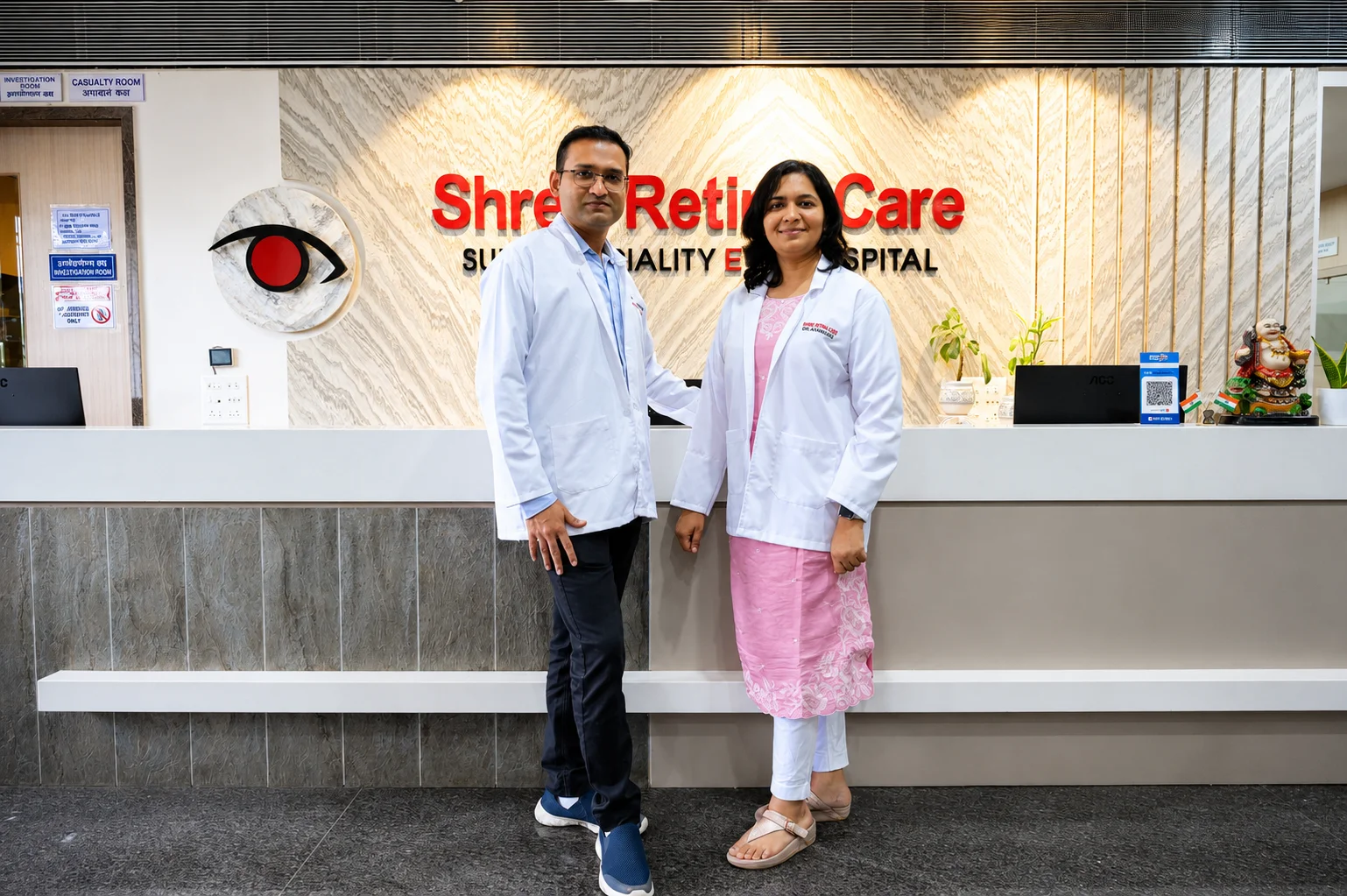
A conversation, not a checklist
Useful glaucoma care compares findings over time.
Ask how optic-nerve appearance, pressure, visual-field results and any imaging fit together. A single number is not the whole diagnosis. Find out what the next visit is meant to compare, and how you will know whether the current plan remains appropriate.
Before and after the visit
Small details that make care clearer.
Risk and family history
Tell the eye doctor if close relatives have glaucoma or if you have previously been told that pressure, optic-nerve appearance or visual-field results were unusual. Family history is relevant information, not a diagnosis. Bring dates and copies of earlier test results where possible. A pattern over time may be more informative than an isolated result, and the clinician can explain what monitoring makes sense for your circumstances.
Understanding visual-field tests
A visual-field test checks how well you detect points of light in different parts of your field of vision. It can require concentration and may feel unfamiliar the first time. Ask for instructions before starting and tell the technician if you need a pause. One test can be affected by attention or learning the task, so clinicians interpret results in context and may repeat testing when needed.
Pressure measurements are snapshots
Eye pressure can vary, and the measurement is interpreted with the condition of the optic nerve and other findings. A value within a typical range does not automatically rule out glaucoma, and a higher value does not on its own prove nerve damage. Ask how the clinician interprets the measurement alongside your other tests and whether the goal is a particular range for your eye.
Make a sustainable medication routine
If drops are part of your plan, connect them to a stable daily routine and use the exact schedule provided. Keep a note of missed doses and side effects instead of trying to compensate without advice. Ask what to do if a bottle runs out or is unavailable. Bring the actual bottles to review visits; different medicines and strengths can be easy to confuse.
Planning for gradual change
If glaucoma has affected vision, ask about practical ways to reduce risk at home and work, such as lighting, contrast or support for particular tasks. These adaptations do not replace treatment, but they can help with daily function. Do not stop activities automatically; discuss driving and safety based on your actual vision and local rules. A clinician can help distinguish useful caution from unnecessary restrictions.
An appointment guide · Monitoring over time
Glaucoma care is a monitoring plan, not a single pressure reading.
Bring earlier results and family history
Bring reports of prior pressure checks, optic-nerve images and visual-field tests, with their dates. Tell the clinician if a close relative has glaucoma or if you have previously been advised to monitor pressure. Family history informs assessment but is not a diagnosis; serial results can show change better than one isolated reading.
Ask what the tests measure
Pressure, optic-nerve examination, visual-field testing and imaging each answer different questions. Ask which findings support the diagnosis, whether a result is reliable and how it compares with earlier visits. If a field test is new, ask for instructions and a pause if needed; concentration and familiarity can affect performance.
Clarify the treatment target
If drops, laser or surgery are discussed, ask what the option aims to do and how the clinician will judge whether it is working. Treatment seeks to reduce the risk of further damage; it does not restore lost vision. Ask what alternatives exist, what side effects matter and which symptoms need urgent review.
Make drop use workable
Bring the actual bottles and ask for a demonstration if the technique is uncertain. Confirm the schedule, spacing between different drops and what to do after a missed dose. Report irritation, difficulty obtaining medication or a routine that is hard to maintain. Do not stop treatment silently; the clinician needs to know what is realistic.
Keep the next monitoring date visible
Before leaving, write down the next review and which tests are planned. Ask what change would make that visit sooner and how to reschedule if you miss it. Because early glaucoma may be symptom-free, feeling well is not a reason to cancel monitoring advised for your individual findings.
Discuss daily vision and safety
If glaucoma has affected your field of vision, describe the tasks that have become difficult, such as steps, reading or driving. Ask about practical adaptations and safety based on your actual vision. Do not assume every activity is prohibited; the clinician can help distinguish useful precautions from unnecessary limits.
Questions patients often bring
Frequently asked questions
Can glaucoma be present without symptoms?
Yes. Glaucoma may cause no obvious early symptoms, and changes can develop gradually. Follow recommended examinations rather than waiting until you notice a problem.
Does high eye pressure always mean glaucoma?
No. Pressure is one part of assessment, not a diagnosis by itself. Clinicians consider the optic nerve, visual field, history and other findings together.
Can treatment restore vision already lost to glaucoma?
No. Treatment cannot restore vision already lost from glaucoma. Its purpose is to reduce the risk of further damage and protect remaining vision.
Will I need glaucoma drops for life?
Treatment and duration vary by diagnosis and response. Do not stop drops without medical advice; ask how the clinician will monitor your condition and whether the plan should change.
Are all glaucoma tests done at every visit?
Not necessarily. Testing is selected according to your diagnosis and monitoring needs. Bring earlier results and ask how new measurements compare with your prior visits.
What if my drops irritate my eyes or are hard to use?
Tell the clinician rather than stopping silently. The team can review technique, side effects or practical barriers and decide whether a change is appropriate.
Do not wait for symptoms to judge glaucoma follow-up.
Glaucoma can progress without obvious early symptoms, and treatment cannot restore vision already lost. Keep the monitoring schedule advised for your findings, and discuss practical barriers to prescribed drops rather than stopping them.
Further reading
Reliable patient information used to inform the medical explanations on this page. These links do not replace individual medical advice.