C3R Treatment in Raipur: Cross-Linking Guide
Keratoconus · Corneal cross-linking

C3R treatment in Raipur: understand corneal cross-linking

C3R is a term commonly used for corneal collagen cross-linking, often shortened to CXL. The procedure uses riboflavin and ultraviolet A light in selected corneas to strengthen collagen bonds and reduce the risk of further ectasia progression. It is not a treatment that reliably restores a cornea to its original shape or guarantees freedom from glasses.

Shree Retina Care publicly lists cornea-care information, but current C3R/CXL availability is not confirmed on the public pages reviewed for this draft. Call before booking to ask whether the service and a cornea assessment are currently offered.

Eye-care consultation in Raipur
What C3R is intended to do

Stabilization is different from vision correction

Keratoconus and related ectasia can cause corneal thinning and an increasingly irregular shape. In some patients, the condition progresses over time. Cross-linking aims to strengthen the corneal tissue and reduce the chance of further progression. It is considered after examination and review of measurements, not simply because a patient has blurry vision or an abnormal glasses prescription.

Cross-linking does not automatically make vision clearer, remove the need for glasses or contact lenses, or reverse established bulging. Some patients may notice changes in corneal shape or vision after treatment, but the intended goal and expected effects vary. A clinician should explain whether the objective is to slow progression, what measurements will be followed and what additional optical correction may still be needed.

The phrase C3R can be used as a familiar label, while clinical protocols may differ. One approach may remove the outer epithelial layer (“epi-off”); other approaches may aim to preserve it (“epi-on”). The choice is not simply a marketing preference. It depends on the evidence, corneal thickness, disease pattern, safety criteria and the treating specialist’s judgment. Ask which method is proposed and what evidence and risks apply to that protocol.

A patient should not decide based on a social-media post, a friend’s experience or a single scan result. The cornea needs a full assessment, and the doctor should discuss alternatives including monitoring, optical correction or another treatment. If the procedure is not suitable, the clinician should explain why and what the next step could be.

Assessment and suitability

What a cornea specialist may check

Corneal shape and progression

Topography or tomography can map the corneal curvature and help identify ectasia. When progression is being considered, earlier reliable scans may be compared with current findings. The clinician interprets the pattern, scan quality and clinical history rather than relying on a single device number.

Corneal thickness

Pachymetry measures corneal thickness and can be important when considering a cross-linking protocol. Safety criteria vary by technique. The doctor should tell you whether your measurements meet the protocol being discussed and what options exist if they do not.

Eye surface and general health

Dry eye, allergy, active infection, pregnancy, medicines and other health factors may influence timing or suitability. Mention eye rubbing, contact lens use, previous procedures and allergies. Do not use steroid or antibiotic drops unless prescribed for your eye.

Visual goals and daily needs

The specialist asks how vision affects school, work, driving and other tasks. Cross-linking aims at corneal stability, not necessarily a glasses-free result. The plan may include spectacles, specialty contacts or later reassessment after healing.

Availability gate: The clinic’s public information reviewed for this draft does not confirm C3R/CXL service availability. Do not publish this as a treatment offered by Shree Retina Care until the clinic confirms the service, clinician and protocol.
The procedure discussion

Questions before consenting to cross-linking

The treating ophthalmologist should walk through the planned protocol. Ask whether the procedure is epithelium-off or epithelium-on, how riboflavin is used, how ultraviolet exposure is delivered and what factors make the approach suitable for your cornea. Ask whether the goal is to slow progression and how that will be measured at follow-up.

Discuss possible pain, light sensitivity, temporary blur, surface healing, bandage contact lens use, infection risk, scarring and the possibility that the cornea could continue to change. Ask how common these issues are in the proposed protocol and what symptoms should trigger an urgent call. The risks can differ between protocols and patients, so a generic internet list cannot replace a surgeon’s explanation.

Clarify whether one eye or both eyes are planned for treatment, whether the procedures would be staged and what circumstances might change the plan. Ask how the procedure interacts with contact lenses, glasses, other corneal treatments or a future transplant discussion. Request a written consent form and time to read it. Do not feel pressured to decide before your questions are answered.

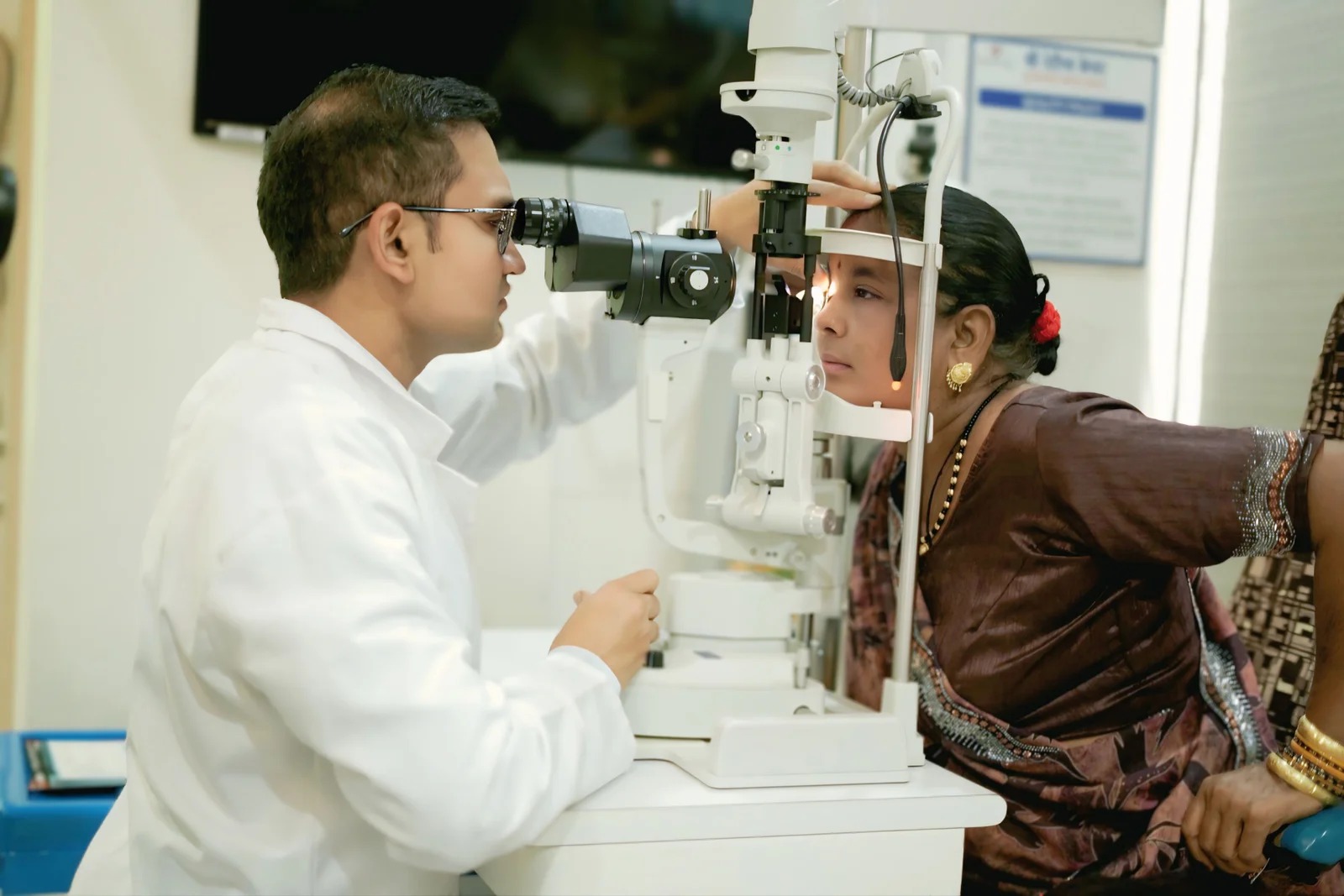
Ophthalmic examination equipment for corneal assessmentDoctor reviewing eye-care information with a patient
Recovery and follow-up

Aftercare and monitoring remain important

Aftercare depends on the protocol and the eye’s response. The clinic may prescribe drops, provide a bandage contact lens or advise restrictions while the surface heals. Follow the written instructions exactly. Wash hands before using drops, avoid rubbing, do not remove a bandage lens yourself and attend the scheduled reviews. Ask when you can return to school, work, exercise, swimming or contact lens wear.

Some discomfort, watering, light sensitivity or blur may occur after a procedure, but severe or worsening symptoms require advice. Increasing pain, marked redness, discharge, a sudden decline in vision or a new white spot on the cornea should prompt urgent contact with the treating team. Do not wait for a planned follow-up if warning symptoms appear.

Follow-up scans help the specialist assess corneal stability over time. A single early scan may not establish the long-term result. Keep copies of reports and note the date and protocol used. If vision remains irregular, the clinician may discuss updated glasses or contact lenses once it is appropriate. Cross-linking does not remove the need for ongoing care.

Eye rubbing should be avoided. If allergy, dryness or itch makes rubbing hard to control, ask the clinician how to manage it safely. Do not share drops or contact lenses. Keep lenses and cases clean according to professional instructions and seek assessment for pain or redness when wearing a lens.

The recovery plan may take longer than a single clinic visit. Ask who to contact if a drop runs out, a bandage lens falls out or symptoms change. A clear, written aftercare schedule reduces guesswork and helps the patient know when a concern should be reviewed.


Alternatives and realistic expectations

C3R is one part of a keratoconus care plan

For stable disease, monitoring and optical correction may be appropriate. Spectacles can help some patients; specialty contact lenses may improve clarity when the corneal shape is irregular. Other procedures or corneal transplantation can be discussed in selected situations. These are not interchangeable options. The specialist should explain the purpose, timing, benefits and limitations of each approach.

If the cornea is advanced or scarred, cross-linking may not address the main visual problem. A transplant may be considered in selected cases, but it also brings risks, a longer recovery and ongoing monitoring. It should not be presented as inevitable for everyone with keratoconus. A patient may benefit from a second opinion when diagnosis, progression or proposed treatment is uncertain.

Cost should be discussed only after the clinic confirms that the service is offered and the clinician determines suitability. Ask for a written estimate that names the protocol, tests, surgeon and facility charges, medicines, bandage lens if applicable and planned follow-up. No clinic-approved C3R price was found in the public sources reviewed for this draft, so this page does not invent one.

Insurance or scheme coverage can vary. Accreditation, a clinic’s service list and a patient’s eligibility are separate questions. Confirm directly with the clinic and payer before treatment. Do not assume that a procedure is covered because another patient used a scheme or because a web page lists a hospital in a network.

Raipur appointment planning

What to bring to a C3R consultation

Bring all previous corneal scans, prescriptions, glasses, contact lenses, records of earlier procedures and a list of medicines and allergies. Note when vision started changing and whether the glasses prescription has shifted. Tell the doctor if you rub your eyes, have allergy symptoms or use contact lenses for many hours. These details help the specialist interpret current measurements.

Before travelling, call Shree Retina Care to ask whether C3R/CXL is currently offered, which doctor performs the assessment, whether topography or tomography is available and whether contact lens wear must be paused before scanning. The public clinic address is TV Tower Road, above Haldiram, opposite Rajiv Bhawan, Shankar Nagar, Raipur, Chhattisgarh 492007. Public appointment contact: +91 78980 83460; OPD contact: +91 93017 70138. Verify current numbers and schedule.

Ask for the diagnosis, the evidence of progression, the exact protocol proposed, any alternatives, the expected goal, the written cost and follow-up. If a scan needs repeating, ask what timing is appropriate. If you have a sudden painful red eye or rapid vision loss, seek prompt medical assessment rather than waiting for a routine C3R appointment.

This page is educational and cannot determine candidacy. A qualified ophthalmologist must review the cornea and discuss the treatment plan with the patient.

Discuss costs and care pathways

What a C3R estimate should explain

A written estimate should name the proposed cross-linking protocol, eye or eyes, corneal tests, surgeon and facility charges, medicines, bandage lens if applicable and scheduled reviews. Ask what happens if the cornea does not meet the safety criteria on the day, if the plan changes after repeat measurements or if the patient needs another procedure. Confirm whether emergency review is included or billed separately.

No current clinic-approved C3R price was found in the public information reviewed for this draft. Do not publish a fee range or claim affordability without an approved schedule. A price should not be compared without checking the technique and aftercare included. Ask the clinic to confirm whether the treatment is actually offered before arranging travel.

Cross-linking is part of a longer care pathway. The patient may still need glasses, specialty contact lenses, repeated scans and ongoing cornea reviews. Ask who will coordinate that care and how to arrange follow-up if the patient lives outside Raipur. Keep reports and treatment details for future clinicians.

If the patient has pain, redness or sudden worsening of sight before a planned appointment, seek prompt assessment rather than waiting for an elective procedure. The treating doctor will decide whether the cornea should be examined urgently and whether planned treatment should be postponed.

Patient questions

C3R and cross-linking FAQs

What does C3R treatment do?

C3R is a common term for corneal collagen cross-linking. In selected patients, it is intended to strengthen corneal tissue and reduce the risk of further progression. It is not a guaranteed vision-restoring procedure.

Is C3R the same as CXL?

The terms are often used for corneal collagen cross-linking, but the exact protocol can vary. Ask the surgeon to name the method, including whether the epithelium is removed or preserved, and explain its risks and suitability.

Can cross-linking cure keratoconus?

It is generally intended to slow or stabilize progression in selected eyes. It may not reverse existing corneal shape changes or eliminate the need for glasses or contact lenses. Follow-up is needed to assess the result.

Who may be suitable for C3R?

Suitability depends on corneal shape, thickness, evidence of progression, age, eye surface and other factors. A cornea specialist must examine the patient and review imaging before recommending a protocol.

Does Shree Retina Care currently offer C3R?

The clinic’s public pages reviewed for this draft do not confirm current C3R/CXL availability. Call the clinic to verify the doctor, treatment protocol and appointment before travelling. This page should not be published as an offered service until confirmed.

Will I still need glasses after C3R?

Possibly. Cross-linking does not guarantee normal corneal shape or glasses-free vision. The clinician may discuss spectacles or specialty contact lenses after the eye has healed and measurements are appropriate.

What should I expect after treatment?

Aftercare depends on the protocol. Follow drop instructions and attend reviews. Pain that worsens, increasing redness, discharge or sudden vision decline needs prompt contact with the treating team.

Where can I read more?

The American Academy of Ophthalmology cross-linking guide explains the general procedure and its purpose. Your doctor should interpret the information for your eye.

Further reading and review note

Sources: American Academy of Ophthalmology — Corneal Cross-Linking; AAO — Corneal Ectasia Preferred Practice Pattern. Clinic must confirm current C3R/CXL service, doctor and price before publication. Ophthalmologist review required. Draft prepared 23 October 2026.

Contact the clinic