







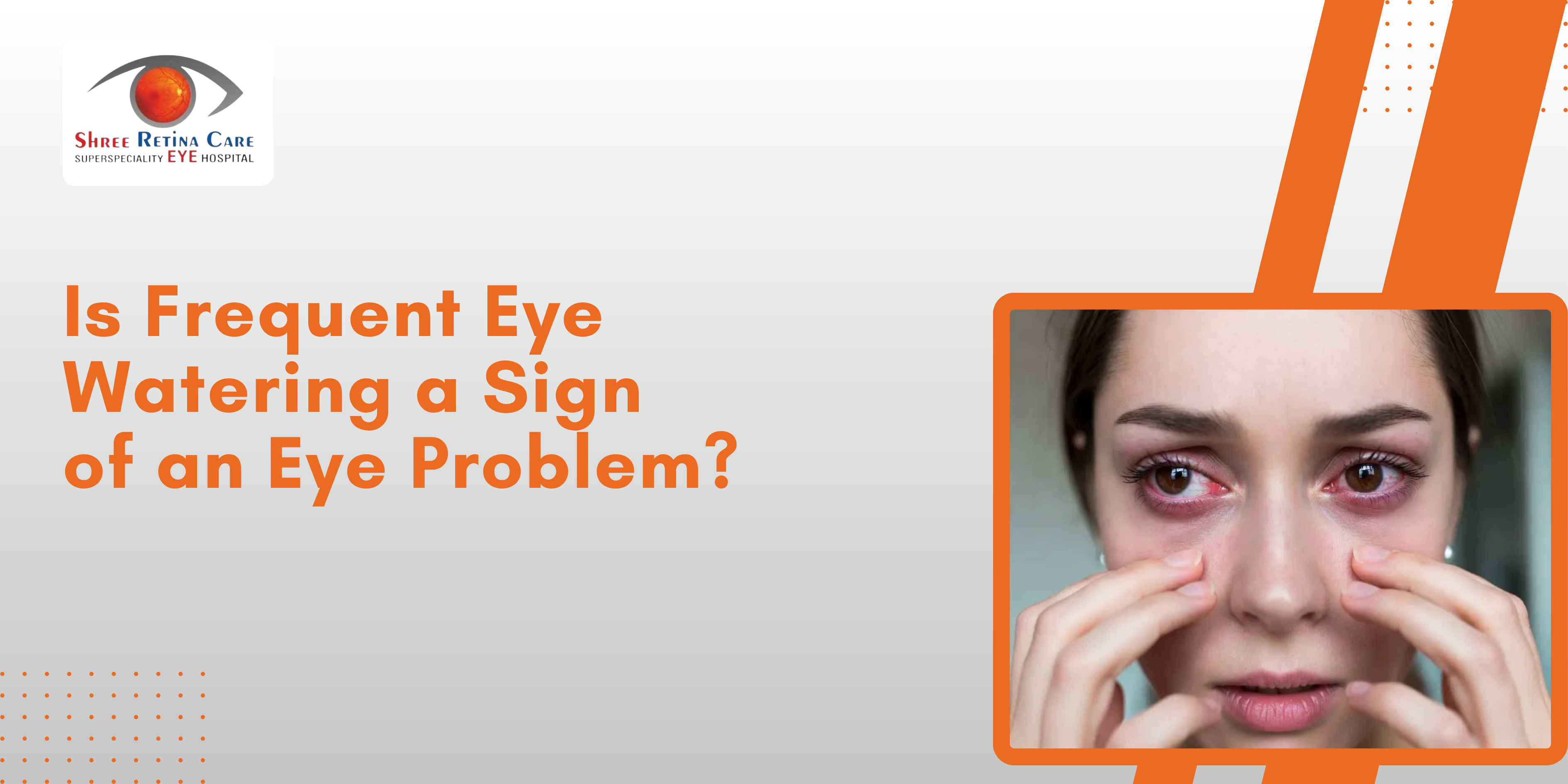
Is Frequent Eye Watering a Sign of an Eye Problem?
Watering eyes without tears might seem odd at first glance. Sometimes, a little moisture keeps things running smoothly up there. By the time blurry vision, floaters, or vision loss appear, significant damage may have already occurred. That kind of pattern could mean it’s time to get checked out by someone who knows eyes well.
Watering eyes often get brushed off as something weather, dust, or tiredness brings on. Yet behind that steady drip could be more than just surroundings at play. Dry eye might spark it, even though tears flow freely. Allergies sometimes stir up excess moisture too. Infections take a turn now and then. Blocked channels meant to drain fluid also show up in the mix. Each case shifts slightly; no two quite line up.
Watering eyes bother many people who visit Shree Retina Care, the best eye hospital in Raipur. Though common, it sometimes signals something serious underneath. Because each case differs, paying attention matters more than waiting. Some discover relief only after tracking patterns they once ignored. Early notice of change makes a difference most do not expect. Treatment works better when begun before complications arise.
In this blog, we’ll explore why eyes water excessively, common causes, treatment options, and when it’s time to visit an eye specialist in Raipur.
Eye Watering Explained
Water spills over the eyelids when something makes your eyes water too much. This spillage, called epiphora by doctors, happens even though liquid keeps the surface of your eyes safe and working right
- Keeping the eye surface moist
- Washing away dust and debris
- Preventing infections
- Supporting clear vision
Most of the time, your body makes tears that drain away through small tubes known as ducts. If too many tears form, or if those pathways get blocked, fluid can overflow without stopping.
Though tears now and then are typical, ongoing watery eyes demand attention. Noticing a pattern? That’s when it matters.
Why Eyes Often Water
1. Dry Eye Syndrome
It turns out watery eyes often come from dryness, something plenty don’t expect. A lack of moisture can spark excess tearing, catching people off guard.
Watering kicks in when eyes get too dry, trying to fix the shortage of natural wetness. Yet most times, that extra fluid does not help much, spilling out instead of sticking around.
Common causes of dry eyes include:
- Prolonged screen time
- Air-conditioned environments
- Aging
- Certain medications
- Hormonal changes
Eye discomfort causing too many tears might be linked to dry eyes, something a checkup in Raipur could reveal. Not every case of watery eyes means wetness; sometimes it’s the opposite signal showing up wrong. A visit to a local specialist may uncover hidden imbalances behind constant dampness. What looks like overflow often stems from poor lubrication, detectable through careful assessment. Clarity comes when symptoms are traced beyond surface appearances during an exam. Real causes hide beneath reactions that seem contradictory at first glance.
2. Allergies
Eye allergies are a common cause of watery eyes, particularly during seasonal changes.
Allergic reactions can occur due to:
- Dust
- Pollen
- Pet dander
- Smoke
- Pollution
Symptoms often include:
- Itching
- Redness
- Swelling
- Burning sensation
- Excessive tearing
Polluted air in cities pushes more people toward eye doctors in Raipur, especially when allergies start irritating their eyes.
3. Eye Infections
Some eye infections cause more tears because the body fights back that way.
Common infections include:
- Conjunctivitis (Pink Eye)
- This condition causes:
- Redness
- Discharge
- Irritation
- Excessive watering
- Corneal Infections
Infections affecting the cornea may cause:
- Severe pain
- Light sensitivity
- Blurred vision
- Continuous tearing
Getting care fast helps stop problems and keeps eyesight safe. Early help means less risk down the road.
4. Blocked Tear Ducts
Water from the eyes usually flows out through tiny tubes close to where the lids meet. When those pathways get clogged, even a little, the fluid has nowhere to go. Instead of moving away, it spills down the face. The buildup happens because drainage slows or stops altogether.
Blocked tear ducts are commonly seen in:
- Infants
- Older adults
- Patients with previous infections
- Individuals with nasal or sinus issues
Symptoms may include:
- Constant tearing
- Sticky discharge
- Recurrent eye infections
Looking closely into your eyes at a top eye hospital in Raipur might reveal issues with how tears drain. Problems with tear flow often show up during thorough checkups done by specialists there.
5. Foreign Objects in the Eye
A speck- dust or grit might start tears flowing. How little it takes: an eyelash-sized bit of sand, maybe a fleck blown from nowhere. Tears rush in when something foreign lands where it does not belong. Irritation begins fast, sometimes before you notice what hit. Blinking won’t always help once that grain settles into place.
When something gets in the eye, it reacts; fluid builds up automatically to wash the irritant away.
Common irritants include:
- Dust
- Smoke
- Eyelashes
- Cosmetic particles
- Air pollutants
Should the eye keep tearing after a rinse, see a doctor.
6. Eyelid Problems
Some issues with the eyelids might disrupt how tears spread across the eye or drain away.
Entropion
The eyelid turns inward, causing eyelashes to rub against the eye surface.
Ectropion
The eyelid turns outward, affecting tear drainage.
Both conditions can result in:
- Eye irritation
- Redness
- Excessive watering
- Foreign body sensation
People past retirement age run into these problems more often.
7. Digital Eye Strain
Sitting at screens for hours shapes how people live today. Devices keep eyes locked longer than ever before. Time slips by while staring at glowing rectangles instead of moving around.
Extended screen exposure reduces blinking frequency, causing:
- Eye fatigue
- Dryness
- Irritation
- Reflex tearing
Staring at screens too long hits eye comfort hard Raipur’s workers and learners feel it daily. Heavy digital use blurs vision softly, often without warning. Watery eyes pop up more than expected among college crowds and office desks alike.
Following the 20-20-20 rule can help reduce digital eye strain:
After twenty minutes pass, shift your eyes to a spot two dozen feet off. Spend half a minute just watching that point without moving your head. Time slips by fast, yet pausing helps reset what you see. Twenty seconds is enough when the distance hits twenty feet. A brief break like this happens every third hour mark.
8. Corneal Problems
A clear layer covers the front part of the eye. This outer section lets light pass through easily.
Conditions affecting the cornea may include:
- Corneal scratches
- Corneal ulcers
- Corneal infections
- Corneal dystrophies
These conditions often cause:
- Pain
- Light sensitivity
- Blurred vision
- Persistent tearing
Failing to spot corneal problems early can cost someone their sight timely care makes all the difference. Treatment delayed often means damage done before anyone acts.
9. Environmental Factors
Environmental conditions frequently contribute to temporary eye watering.
Common triggers include:
- Strong winds
- Cold weather
- Air pollution
- Smoke exposure
- Chemical fumes
People spending time outside might notice more tears when wind, dust, or pollen get into their eyes. Traveling far each day can bring similar reactions as air movement pushes particles toward the face.
When Should You Be Concerned About Watery Eyes?
Now here’s when a tear might not be so simple: watch for signs that point deeper. Sometimes what seems minor can hint at something worse behind the eyes.
Eye watering might need a doctor’s look when it comes with
- Eye pain
- Redness
- Swelling
- Blurred vision
- Light sensitivity
- Eye discharge
- Foreign body sensation
- Sudden vision changes
Should these signs appear, a visit to someone skilled in eye care around Raipur makes sense.
How Is the Cause Diagnosed?
Determining the exact cause of excessive tearing requires a detailed eye examination.
Shree Retina Care Diagnosis Includes:
- Visual Acuity Testing
- Measures overall vision quality.
- Slit Lamp Examination
Peering closely at the eye’s outer layer happens here. The lids get checked just as carefully, one step after another.
Tear Production Assessment
Checks how many tears there are, and also looks at how well they work.
Tear Drainage Evaluation
Looks into whether tear ducts are clogged.
Corneal Examination
Some marks show up under light. A sore might appear red. Infection can change how tissue looks. Tiny cuts may be visible.
Complete Eye Health Check
Detects underlying conditions affecting vision and eye comfort.
Eye checkup in Raipur now spots problems faster, thanks to better tools. Clear results come quicker when tech works smoothly behind the scenes. Treatment shaped just for you begins with precise findings every time. Smarter scans mean fewer guesses, more confidence down the line.
Treatment Options for Frequent Eye Watering
What works hinges on what’s really going wrong inside.
For Dry Eye Syndrome
- Lubricating eye drops
- Lifestyle modifications
- Increased hydration
- Screen-time management
For Allergies
- Anti-allergy eye drops
- Environmental control measures
- Avoidance of triggers
For Infections
- Antibiotic medications
- When needed, antiviral medicine can help fight the infection
Blocked Tear Ducts
- Tear duct procedures
- Fixing things by surgery when it’s really bad
For Eyelid Disorders
- Corrective eyelid surgery
- Specialized eye care treatments
One person’s needs shape how care unfolds step by step. What works shifts based on progress made along the way.
Stopping too much eye watering
Just because some issues can’t be avoided doesn’t mean daily choices don’t matter for eye health.
Practice Good Eye Hygiene
Avoid touching or rubbing your eyes frequently.
Wear Protective Eyewear
Shield your eyes when dust kicks up. Wind can sting, so keep it out. Sunlight carries harsh rays; block them.
Limit Screen Strain
Every now and then, step away from the screen while working on a machine. A pause here helps more than you might think later.
Stay Hydrated
Water levels in the body influence how tears form. When fluids are balanced, eyes stay moist naturally.
Manage Allergies
Identify and minimize exposure to known triggers.
Schedule Regular Eye Examinations
Most people skip them, yet regular visits to the eye doctor catch issues early. A small sign today might mean big trouble later; catching it now changes everything.
Regular eye exams help catch problems early
Blurred vision shows up now and then, sometimes along with tears that won’t stop. Irritation creeps in without warning, quietly signaling something might be shifting. Tears appear out of nowhere, even when nothing feels wrong. Vision wavers, just for a moment, hinting at changes beneath the surface.
Regular routine eye checkup appointments in Raipur allow ophthalmologists to:
- Detect eye diseases early
- Monitor eye health
- Identify vision changes
- Recommend preventive measures
- Provide timely treatment
Stopping problems before they start helps keep eyesight strong over time. A smart move today might save your sight years down the road. Eyes often show trouble late, so early checks matter more than most think. Catching changes fast gives better results later on. Looking after your eyes now shapes how well you see in decades ahead.
Why Choose Shree Retina Care?
Eye health matters most when picking a clinic in Raipur. Top facilities there combine skilled doctors with modern tools. Care feels different because it fits each person. High-quality results often follow such tailored approaches.
Shree Retina Care services:
- Comprehensive eye examinations
- Advanced diagnostic technology
- Dry eye management
- Corneal evaluations
- Retina care services
- Cataract consultations
- Specialized eye treatments
- Preventive eye health programs
Clear sight matters most here in Raipur, where our clinic puts care first. Patients find relief through personalized attention that keeps eyes feeling good day after day. Comfort joins clarity when checkups happen regularly under one roof.
Conclusion
Watering eyes might feel like just a small annoyance, yet they could point to something deeper needing expert attention. Dryness, allergens, even infections might spark constant tears. Blocked tear ducts do it too. So can issues on the surface of your eye. Each cause acts differently, shows up uniquely.
When symptoms keep showing up, putting off care might let a hidden problem grow worse. Spotting issues sooner means relief comes faster, eyes stay healthier, one step ahead of serious trouble.
If you’re experiencing continuous tearing, irritation, redness, or blurred vision, schedule a consultation at Shree Retina Care. Step into Shree Retina Care, an eye specialist in Raipur where Raipur trusts its vision. Sharp sight isn’t luck. It’s attention, caught early.
One visit might be all it takes to spot changes early. When glasses feel off, or lights seem too bright, that is when our clinic steps in. Not just exams, real attention from doctors who have seen thousands of cases. Vision shifts happen quietly, yet support stays loud. Because clear sight does not come from chance. Routine checks act like quiet guardians, working before problems grow. Help arrives without hurry, without cold rooms, without rushed words. This city has enough clinics; what matters is finding one that listens first.
